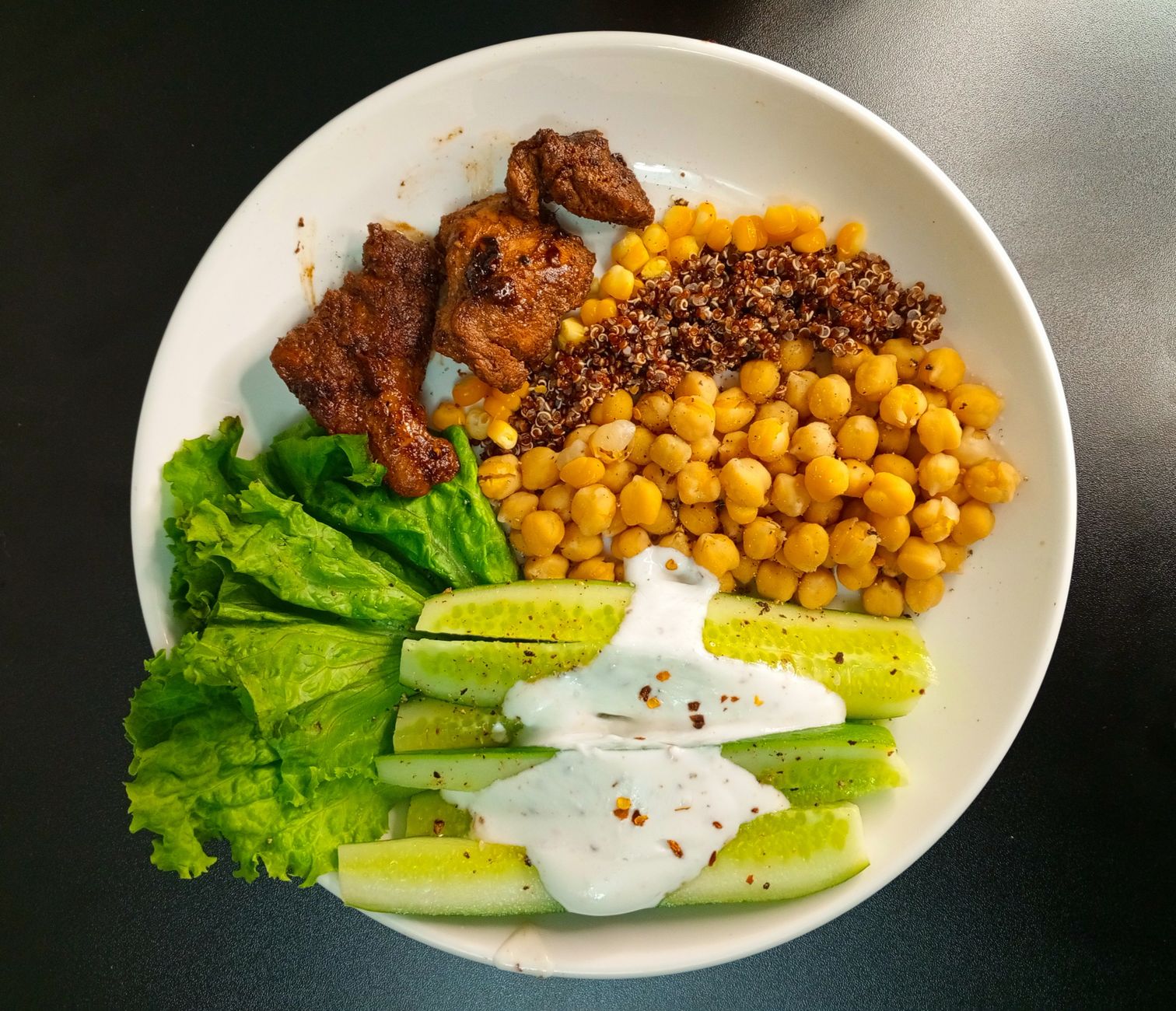

October 2, 2026
Use this 1000 calorie meal plan for weight loss cautiously, with safety notes, a 7-day sample menu, protein priorities, safer swaps, and FAQs.
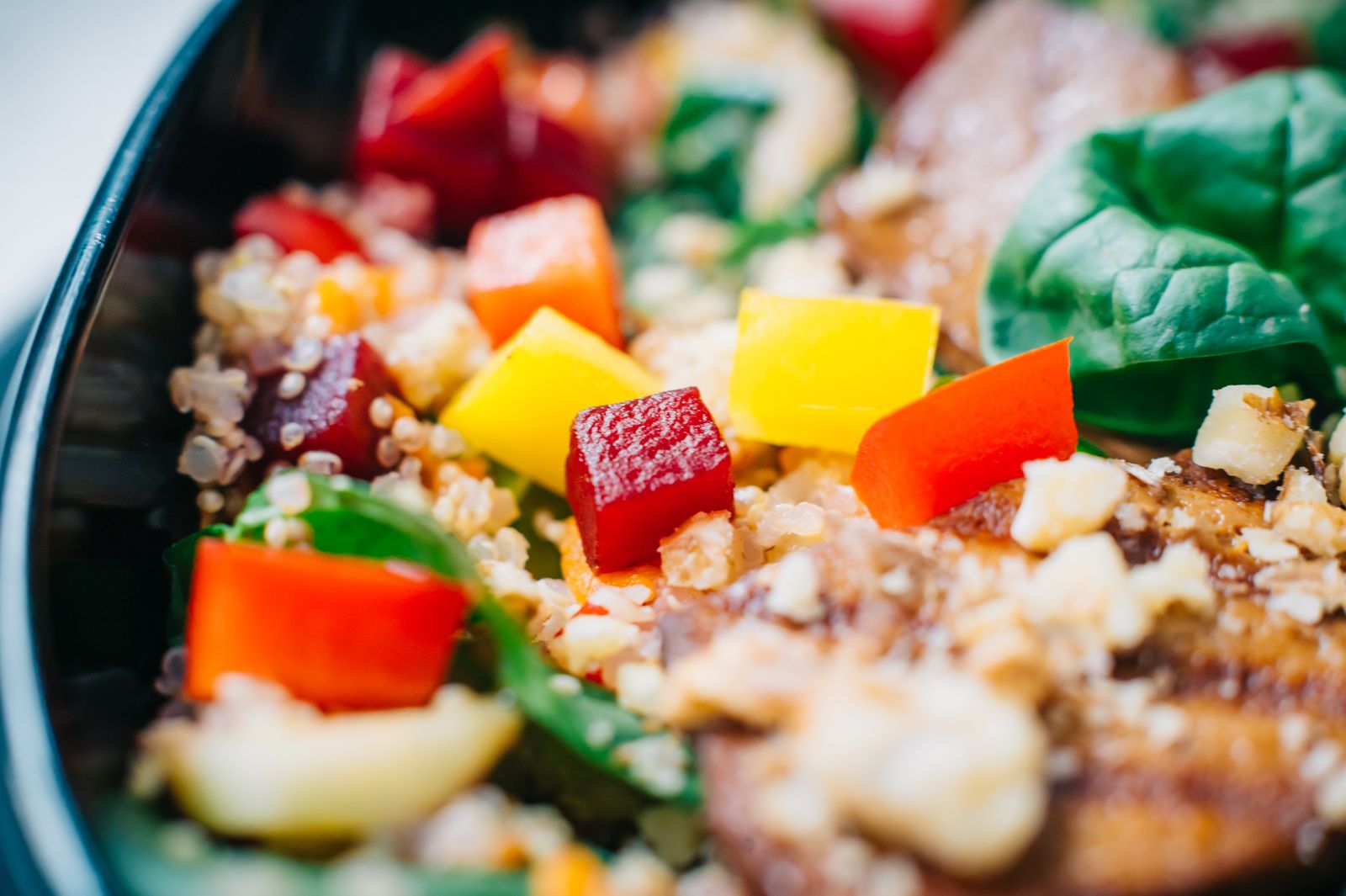
A 1000 calorie meal plan for weight loss is a very low-calorie approach for most adults. Treat it as safety education, not a normal lifestyle plan.
Many competing pages include 7-day menus, but the safety issue matters more than the menu. Very low intake can increase fatigue, hunger, nutrient gaps, and rebound eating.
For balanced meal structure, use Harvard Nutrition Source. For packaged foods, check serving sizes and ingredients with the FDA Nutrition Facts guide.
| Day | Meals |
|---|---|
| 1 | Greek yogurt berries; chicken salad; vegetable soup with eggs. |
| 2 | Egg scramble; tuna cucumber bowl; tofu vegetable stir-fry. |
| 3 | Protein smoothie; turkey lettuce wraps; salmon and vegetables. |
| 4 | Cottage cheese fruit; lentil soup; chicken zucchini skillet. |
| 5 | Oats with protein; shrimp salad; turkey chili. |
| 6 | Eggs and fruit; tofu bowl; white fish and vegetables. |
| 7 | Yogurt bowl; chicken soup; bean and vegetable plate. |
If using a low-calorie structure, remove liquid calories and build meals around lean protein, broth-based soups, vegetables, fruit, and measured fats.
Pair this with Meal Planning Basics, 7-Day Balanced Meal Plan With Grocery List, and Meal Planning for Busy Schedules. If you want the same constraints turned into a grocery list, Build your weekly plan in PlanEat AI.
Children, teens, pregnant or breastfeeding people, athletes, and anyone with relevant medical risk should avoid this unless supervised by a clinician. General weight-management guidance from the CDC and NIDDK is a better baseline than extreme restriction.
Start with a simple weekly structure, repeat two or three meals, and adjust portions after you see how hunger and energy respond.
Yes. Keep the same role in the meal: protein for protein, starch for starch, produce for produce, and fat for fat.
Tracking can help for a short period, but a repeatable grocery list and consistent portions are more useful for many people.
Add vegetables, protein, or a less aggressive calorie target before forcing a plan that is not sustainable.
A 1000 calorie meal plan for weight loss is not a normal default. If used at all, it should be short, cautious, and protein-forward.