
October 2, 2026
1800 Calorie Meal Plan Menu: Full 7-Day Grocery Guide: a practical 7-day menu, grocery list, prep notes, portion tips, and FAQ for people who want a moderate...

A strong 1800 calorie meal plan menu starts with the same basic answer: what to eat, how to shop, and how to adjust portions when real life changes the plan. This guide is written for people who want a moderate calorie target with enough food variety. It uses familiar meals, clear prep steps, and flexible swaps so the plan can work for a full week instead of only looking good on paper.
This 1800 calorie meal plan menu is built for people who want a moderate calorie target with enough food variety. The goal is not a perfect menu; the goal is a repeatable food system. A good plan gives you enough structure to shop once, enough variety to avoid boredom, and enough flexibility to handle a missed meal or restaurant dinner.
It also supports related searches like 1800 calorie meal plan, 1800 calorie diet meal plan, and 1800 calories a day meal plan. Those phrases share the same intent: readers want a complete weekly menu, not a vague list of foods.
The easiest structure is protein first, plants second, and carbs or fats adjusted to the goal. Protein supports fullness and repair; MedlinePlus has a clear overview of how protein works in the body. For most readers, each meal should include a dependable protein source plus fruit or vegetables.
General healthy eating guidance from Nutrition.gov is useful here: choose a variety of foods, keep meals balanced, and avoid building the whole day around one nutrient. For packaged foods, sauces, and drinks, CDC guidance on added sugar awareness can help keep the plan from drifting.
The menu repeats core groceries in different combinations. If you already use a meal plan for weight loss or a high protein meal plan, treat this as a more specific version of the same weekly planning method.
| Day | Breakfast | Lunch | Snack | Dinner |
|---|---|---|---|---|
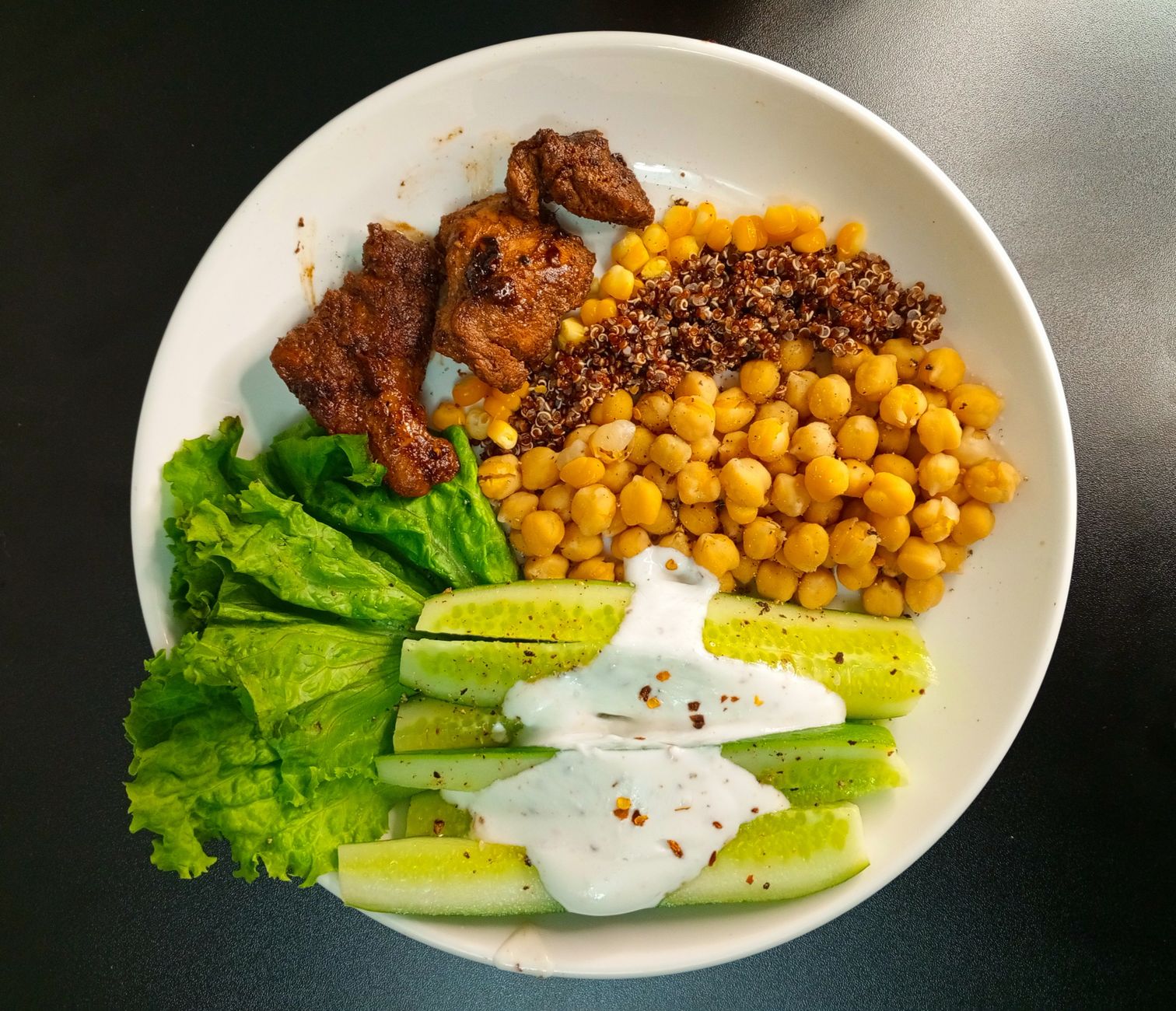
| Monday | Eggs, toast, and fruit | Turkey quinoa bowl | Greek yogurt with walnuts | Salmon with potato and greens |
| Tuesday | Turkey quinoa bowl | Greek yogurt with walnuts | Salmon with potato and greens | Apple with peanut butter |
| Wednesday | Greek yogurt with walnuts | Salmon with potato and greens | Apple with peanut butter | Eggs, toast, and fruit |
| Thursday | Salmon with potato and greens | Apple with peanut butter | Eggs, toast, and fruit | Turkey quinoa bowl |
| Friday | Apple with peanut butter | Eggs, toast, and fruit | Turkey quinoa bowl | Greek yogurt with walnuts |
| Saturday | Eggs, toast, and fruit | Turkey quinoa bowl | Greek yogurt with walnuts | Salmon with potato and greens |
| Sunday | Turkey quinoa bowl | Greek yogurt with walnuts | Salmon with potato and greens | Apple with peanut butter |
Buy enough food for the menu, then keep one backup meal available. The backup prevents one busy evening from breaking the full week.
A reliable meal prep plan uses components instead of fully finished meals. Cook one or two proteins, wash produce, portion snacks, and prepare one grain or starch. Keep sauces separate so the same ingredients can become bowls, wraps, salads, or plates.
If rebuilding a plan every week is slowing you down, use a planning tool after you understand the targets. PlanEat AI on the App Store can turn your preferences, schedule, and nutrition goal into a weekly plan while still letting you edit meals.
If energy is low, add a planned carbohydrate serving around the hardest part of the day. If hunger is high, add vegetables, broth-based soup, Greek yogurt, cottage cheese, beans, or lean protein before adding random snacks. If the plan feels too large, reduce added fats or starch portions before cutting protein.
For higher-calorie goals, liquid calories, olive oil, avocado, nuts, dried fruit, and larger starch portions can help. For lower-calorie goals, keep the same meal rhythm but use leaner proteins, more non-starchy vegetables, and measured fats.
The first mistake is tracking the wrong thing. This article uses 1800 calorie meal plan menu as the primary topic. Secondary phrases like 1800 calorie meal plan high protein and 1800 calorie meal prep belong inside the article because they support the same search intent, but they should not be counted as separate primary keywords.
The second mistake is making the plan too fragile. A weekly menu should include fast meals, leftovers, and foods you actually enjoy. The third mistake is ignoring context: training days, work hours, family meals, budget, and digestion all affect whether a plan survives the week.
Use swaps to keep the plan practical. Replace chicken with tofu, rice with potatoes, Greek yogurt with cottage cheese, or broccoli with salad greens. If you need a broader framework, compare this with a 7-day meal plan and keep the same plate logic.
Yes. Repeating breakfast or lunch often makes the week easier. Keep dinners flexible if variety matters more at night.
No. Tracking can help with precision, but most readers can start with portions, consistency, and weekly adjustments.
Yes. Prep proteins, produce, starches, and snacks separately. Assemble meals close to eating time so texture stays better.
Adjust one variable at a time. Change starches or fats first, protect protein, and review energy and hunger across several days.
Use this 1800 calorie meal plan menu as a practical baseline, then adjust portions and swaps around your schedule, hunger, and goals.