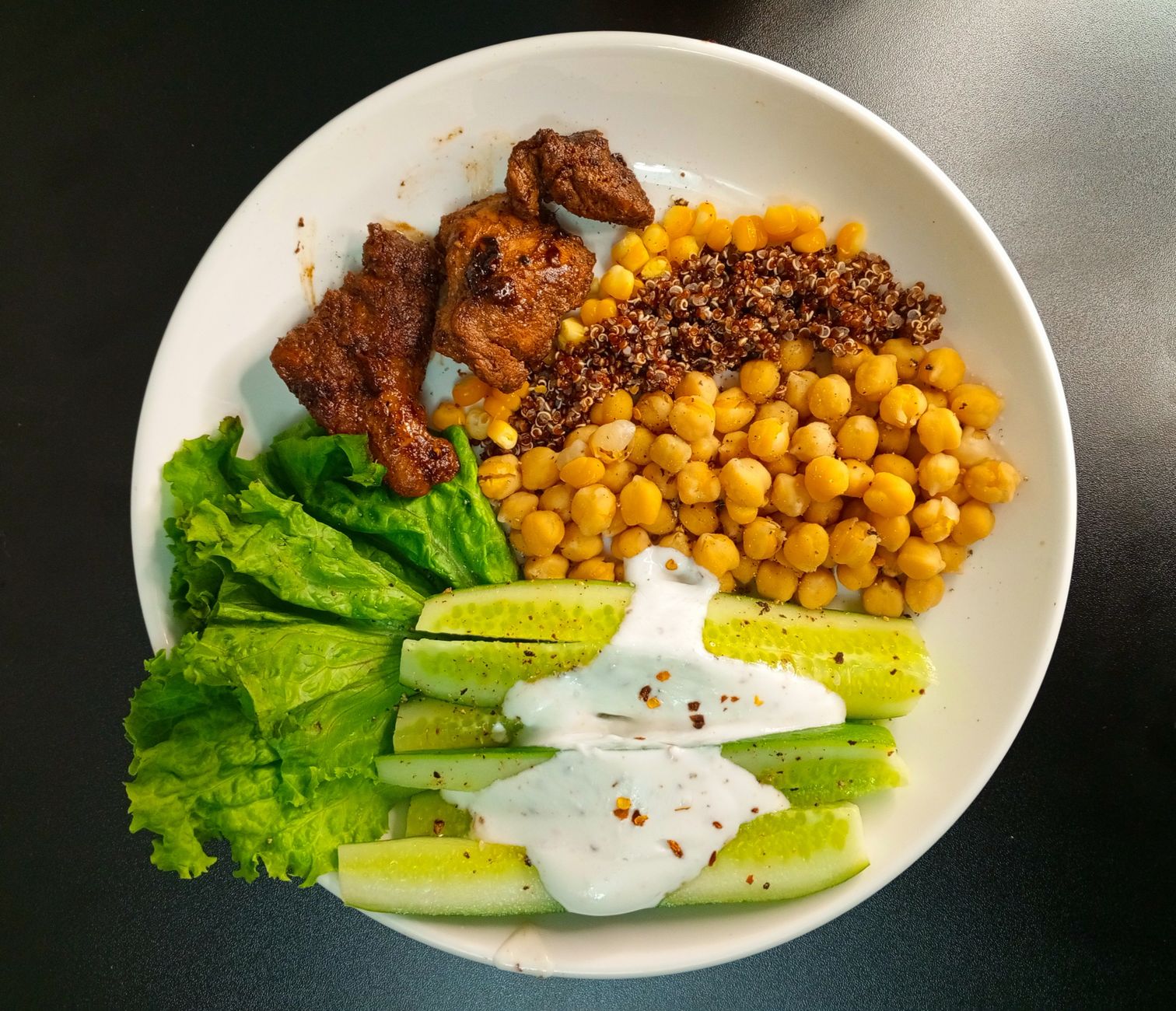

October 2, 2026
Compare corporate meal plans, stipends, catering, and prepared meals with a practical rollout checklist for healthier workplace lunches in 2026 today.
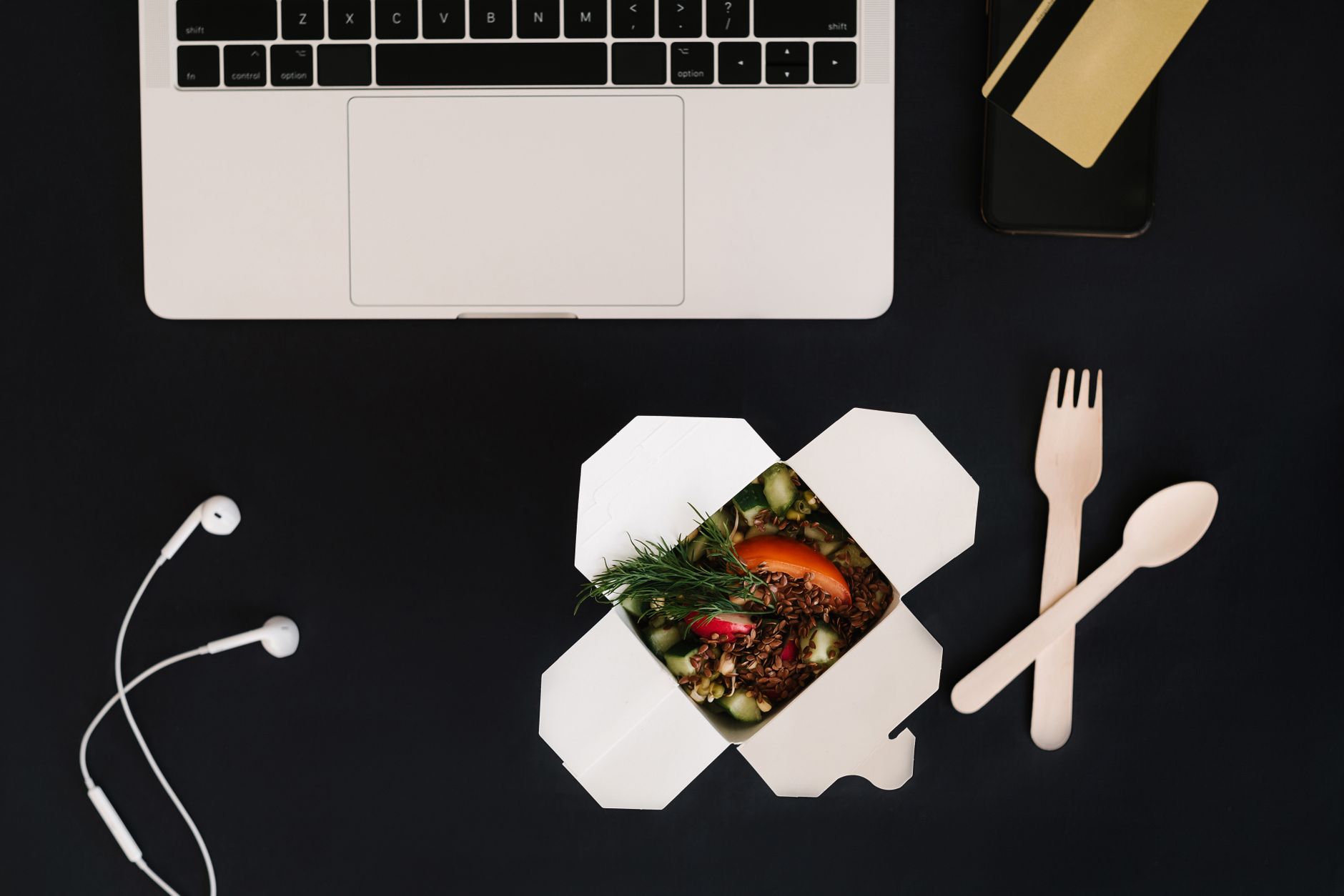
Corporate meal plans are a structured way for employers to support lunches, snacks, or meal stipends for teams. In 2026, the strongest programs are simple to use, easy to budget, and flexible enough for hybrid offices.
This guide breaks down the main models, where each one fits, and how to launch a workplace food program without creating extra admin. It also includes a practical menu template, cost-control ideas, and a rollout checklist for US teams.
If you want a simple planning tool for recurring team menus, a meal planner app can help keep preferences, rotation, and shopping in one place. For iPhone users, the PlanEat AI on the App Store app is one option to organize repeating meal ideas.
For broader planning ideas and food workflow tips, see quick meal planning, weekly grocery routine, and quick healthy lunch ideas.
Corporate meal plans are employer-funded or employer-managed food programs designed to make workday meals easier. They can cover lunch, breakfast, snacks, or a set meal budget for employees who are onsite or working a hybrid schedule.
Companies use them for practical reasons: fewer lunch breaks lost to offsite errands, more predictable food costs, and a smoother in-office experience. They can also support employee wellness meals by making balanced choices more available during busy workdays.
In the US, these programs are often used by startups, sales teams, healthcare offices, agencies, and companies with recurring all-hands days. The right model depends on office headcount, kitchen setup, and how often the team needs food.
Office lunch programs are useful when people are expected onsite at the same time, such as meeting days, quarterly planning sessions, or training workshops. They also work well for teams that stay late and need a reliable meal option before evening deadlines.
Workplace wellness meals make sense when the goal is consistency, not perfection. A repeatable pattern of balanced lunches is usually easier to maintain than trying to manage one-off orders every day.
For more background on building a healthy routine around food decisions, see meal planning for busy schedules and foods that keep you full longer.
The three most common models are meal stipends, catering, and prepared-meal delivery. Each one solves a different problem, so the best choice is usually the one that matches your attendance pattern and admin capacity.
A practical way to decide is to compare flexibility, cost control, and coordination effort. That comparison is more useful than asking which model is universally “best.”
| Model | Best for | Pros | Tradeoffs |
|---|---|---|---|
| Meal stipend | Hybrid teams, flexible schedules | High choice, low logistics, easy to scale | Less control over nutrition and consistency |
| Catering | Onsite teams, meetings, events | Simple group ordering, strong team experience | Can create waste if attendance changes |
| Prepared meals | Regular office lunches, wellness goals | More consistent portions and menu planning | Requires vendor coordination and forecast accuracy |
Meal stipends are the most flexible option for employee meal planning because people can choose what fits their day. They are also a good default when employees work different shifts or commute on different schedules.
Catering is better when the office is together, especially for workshop days or lunch-and-learns. Prepared meals fit teams that want repeatable healthy corporate meals without having to re-order from scratch every week.
If your team is still deciding on a recurring lunch structure, the comparison at meal plan calendar and meal prep systems can help you think about repetition and planning load.
Cost control starts with a clear per-person target. Many US teams set a weekly or monthly cap, then build a short menu rotation around it rather than approving every meal from scratch.
Good programs also leave room for dietary preferences. A useful rule is to offer at least two protein options, one vegetarian option, and one clearly labeled gluten-free-friendly option whenever practical.
For workplace wellness meals, keep the pattern simple: a protein, a produce item, a whole-grain or starch option, and a sauce or side that can be added separately. That structure works across many meal types without overcomplicating the kitchen.
Menu consistency matters more than novelty. A predictable office lunch program is easier to manage, and employees usually care more about reliability than constant variety.
If you need a practical way to build lunch options that are simple to rotate, review healthy lunch ideas and how to read nutrition labels before finalizing vendor choices.
A successful launch is easier when you pilot the program instead of rolling it out to everyone at once. Start with one department, one meeting day, or one lunch cycle, then review what people actually use.
The rollout should answer four questions: who gets access, how meals are ordered, who approves the budget, and how dietary needs are captured. Once those basics are clear, the program becomes much easier to run.
Sample weekly template for a team meal plan: Monday grain bowls with chicken or chickpeas; Wednesday taco bar with rice, beans, and vegetables; Friday sandwich or wrap lunch with fruit and a salad side. Add one snack option, such as yogurt cups, hummus, or trail mix, for long meeting days.
Example grocery list for an in-office lunch rotation: mixed greens, rice, tortillas, beans, chicken, tofu, cucumbers, tomatoes, fruit, hummus, yogurt, shredded cheese, salsa, olive oil, and a simple dressing. That list works because it supports multiple meal combinations without a lot of specialty items.
For more ideas on keeping a repeatable system easy to run, see smart bulk buying and seasonal grocery shopping.
For adjacent planning systems, compare this rollout with quick meal planning, weekly grocery routines, smart bulk buying and freezing, balanced plate basics.
For neutral background, cross-check the nutrition and planning claims with Dietary Guidelines for Americans, Nutrition.gov healthy eating resources, CDC guidance on fruits and vegetables.
What is the simplest corporate meal plan to run?
A meal stipend is usually the simplest because employees choose their own food and the company only manages the budget.
What is the best model for an in-office lunch program?
Catering works well for large group lunches, while prepared meals are often better for recurring office days with a steady headcount.
How do corporate meal plans support employee wellness meals?
They make balanced options easier to access during work hours, which can reduce last-minute fast-food choices and support more consistent routines.
How do companies avoid waste?
Track attendance, order from a short menu rotation, and confirm headcount before each meal day.
What should be included for dietary preferences?
At minimum, collect allergy notes and offer a vegetarian choice. Clear labels for common ingredients help avoid mistakes.
How often should a team meal plan change?
Many teams do best with a 2- to 4-week rotation, then small seasonal changes instead of frequent overhauls.
The best corporate meal plans are the ones employees actually use and managers can repeat without friction. Start with a small pilot, keep the menu simple, and measure cost, waste, and satisfaction before you scale. A good system should save time, fit dietary needs, and make office meals easier for everyone.