
October 2, 2026
Learn 24 practical ways to eat healthier without overspending, from planning and grocery list structure to batch cooking and everyday money saving habits.

TL;DR: You can eat well without expensive products, complex diets, or daily spreadsheets. The main levers are planning simple meals, structuring your grocery list, cooking in batches, and using a few money saving habits on repeat. Focus on patterns you can afford every week, not perfect one time menus.
Most people do not overspend on food because vegetables are too costly. They overspend because meals are unplanned, lists are vague, and decisions happen when everyone is tired and hungry.
When you plan even a little, you:
If you are completely new to meal planning, it helps to start with a simple foundation like Meal Planning Basics: How to Start (Beginner Guide) and then layer budget decisions on top instead of trying to fix everything at once.
These first six tips shift the work away from impulse decisions in the store and toward a short planning session at home.
Decide on a basic structure such as stir fry night, pasta night, soup night, and one leftovers night. This makes it easier to reuse ingredients and prevents buying one off items that never fit into a plan.
Mark your busiest evenings and assign the easiest or leftover friendly dinners to those days. There is no point planning complicated recipes for nights when you will not have time to cook.
Spend five minutes looking through your fridge, freezer, and pantry. Build at least one or two meals around ingredients that need to be used soon, then cross them off your shopping list so you are not rebuying the same things.
New recipes often need extra ingredients you will not use again soon. Keeping most meals simple and familiar reduces both food waste and stress.
Choose one or two dinners that can become lunches the next day. It is usually cheaper and healthier than buying separate lunch options.
Aim for about thirty minutes once a week to sketch a plan and list. For a step by step way to do this, you can use the routine from Quick Meal Planning: Build a 30-Minute Weekly Plan and then add your own budget limits to it.
If you do not enjoy filling out planning templates, you can use PlanEat AI to generate a weekly meal plan with a grouped grocery list based on your goals, dislikes, and cooking time. Then you apply the money saving tips from this article when you shop so the plan fits your real life and your priorities.
A structured list helps you walk past tempting displays and buy what you actually need.
Divide your list into produce, dairy and eggs, pantry, protein, freezer, and bread or bakery. Walking the store once with a grouped list makes impulse grabs less likely.
Mark regular staples such as oats, milk, and basic vegetables separately from items you only buy for certain recipes like feta or a special sauce. When money is tight, trim from the recipe column first.
Instead of simply writing vegetables, note what they are for, such as tacos, soup, or stir fry. This makes it easier to see which items support several meals and which are one offs.
Look at the price per ounce or pound instead of only the big sale sign. A discount on a small package can still be more expensive than a larger size that you know you will finish.
For foods like rice, oats, canned beans, frozen vegetables, and cooking oil, store brands are often similar in quality and cheaper than name brands.
When you want a concrete example of how a week of affordable ingredients can look, you can borrow ideas from 50 Dollar Week Healthy Grocery List (US) and adapt them to your household size and local prices.
For more depth on list structure and money saving rules in the store, you can also explore Grocery List Structure & Money-Saving Tips and pull the parts that fit your routine.
Cooking at home is usually cheaper than eating out, but it only works if it does not take over your entire week. These tips focus on batch cooking without turning Sunday into an all day project.
Examples include soup, chili, stew, or a big tray of roasted vegetables and chicken. Use leftovers for lunches or another dinner.
Make a pot of rice, quinoa, or another grain to use in bowls, salads, and stir fries. Grains are typically inexpensive and stretch other ingredients further.
Wash and chop sturdier vegetables such as carrots, celery, and bell peppers. Stored properly, they work in salads, stir fries, and snacks, so you are less tempted by expensive convenience foods.
When you have leftover soup, chili, or cooked beans, freeze them in individual containers. These become your personal backup meals for busy days.
If you turn on the oven, roast more than one thing at a time, for example vegetables on one tray and chicken or tofu on another. This saves both time and energy costs.
Even thirty to sixty minutes of prep on a calmer day can support several quick dinners. For a more detailed example of how to use a focused prep session, you can adapt the ideas in 2-Hour Weekend Meal Prep: Cook Once, Eat All Week to your own schedule.
These last six tips help you keep healthy options in reach without feeling deprived.
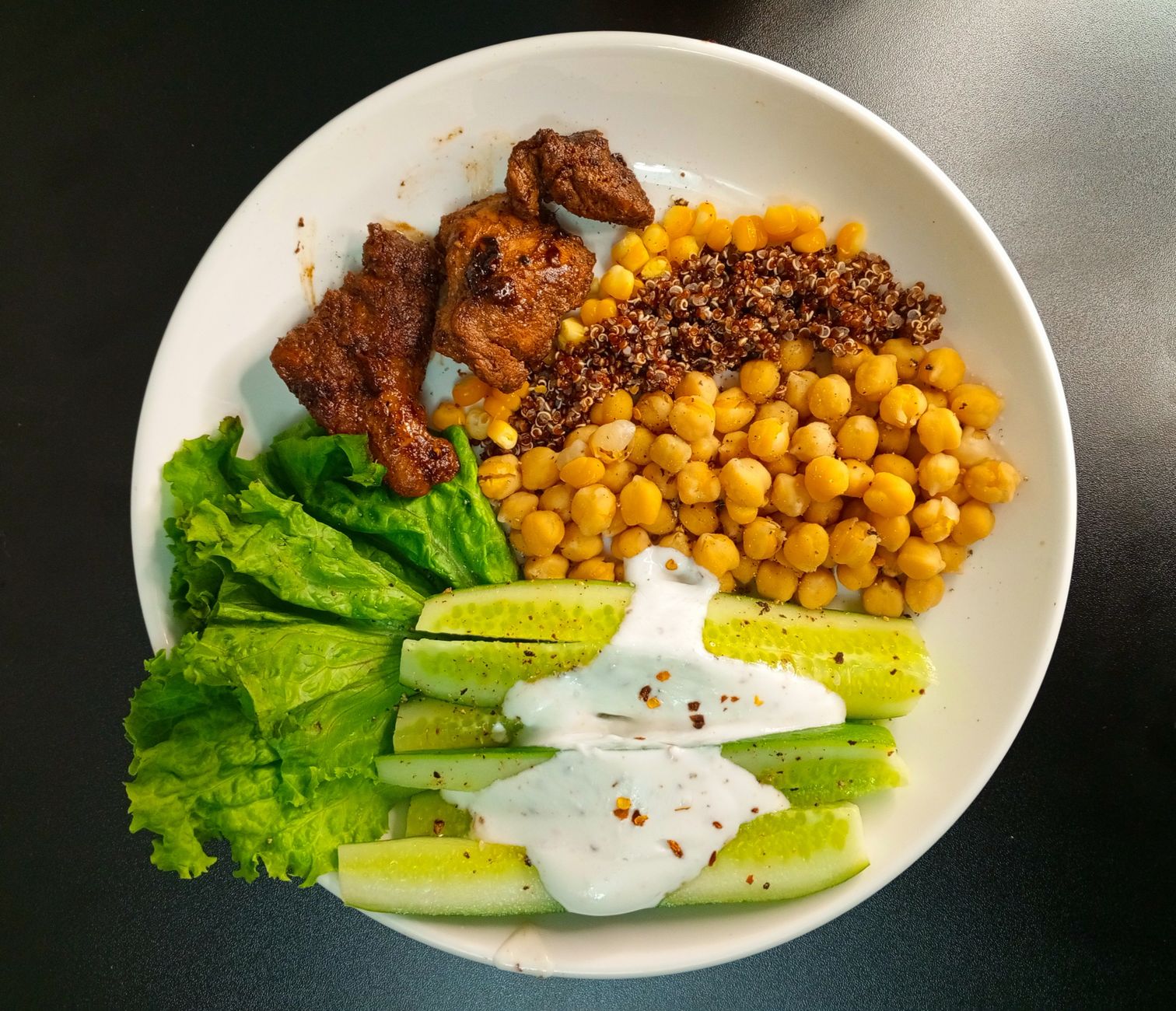
Beans, lentils, and chickpeas are usually cheaper per serving than meat and still provide protein and fiber. Replacing a few meat based meals each week with bean or lentil dishes can reduce your costs.
Frozen vegetables and fruits are often as nutritious as fresh and keep longer. Canned tomatoes and beans are inexpensive building blocks for soups, stews, and sauces.
Options like oats, yogurt with fruit, or eggs and toast are usually cheaper than packaged breakfast foods and easy to rotate.
Instead of eating directly from a large bag, divide snacks like nuts or trail mix into small containers. This helps the same package last longer and keeps portions reasonable.
Sugary drinks, juices, and flavored coffees can add up quickly. Prioritizing water, tea, or simple coffee at home can noticeably reduce monthly costs.
Notice which foods you often throw away and which you always finish. Buy smaller amounts of the first group and keep the second group steady or buy slightly more.
If you want your budget habits to stick, you can keep a few favorite weekly patterns inside PlanEat AI and reuse them instead of starting from zero. The app holds your meal structure and grouped grocery list in one place so you can focus on small tweaks and money saving habits rather than rewriting the whole plan.
Not necessarily. While some health branded products are costly, simple whole foods like oats, beans, eggs, frozen vegetables, and seasonal produce can be very affordable per serving. Eating out frequently often costs more than basic home cooked meals over a month.
Begin by cooking one or two more meals at home each week using basic ingredients like beans, lentils, rice, frozen vegetables, and eggs. Combine that with a short weekly plan and a structured grocery list so you buy only what you can realistically cook and eat.
Yes, but it helps to focus on simple meals and batch cooking. Use quick recipes such as stir fries, sheet pan dinners, and grain bowls, and rely on frozen vegetables, canned beans, and pre washed greens to save prep time.
Often they are very similar. Frozen produce is usually picked and frozen near peak ripeness, which helps preserve nutrients. Fresh can be better for texture and certain recipes, but frozen options are budget friendly and reduce waste.
Plan a small number of snacks and treats into your weekly list instead of buying them on impulse. Pre portion what you buy, keep most treats out of immediate sight, and make sure regular meals contain enough protein and fiber so you are not constantly hungry between meals.
Educational content only - not medical advice.
Learn 24 practical ways to eat healthier without overspending, from planning and grocery list structure to batch cooking and everyday money saving habits.