
October 2, 2026
A practical 2026 guide to meal planning with just 10 ingredients. Get a simple 5-day plan, smart swaps, and tips to keep meals flexible and not boring.

TL;DR: A 10-ingredient meal plan works because it removes decision overload and forces smart reuse. In 2026, this is one of the easiest ways to eat consistently without spending your whole week cooking.
When people try meal planning, they often start with too much variety. The grocery list gets long, the fridge gets messy, and by midweek it feels easier to order takeout. A small ingredient set does the opposite: it makes meals predictable, faster to cook, and easier to repeat.
This approach also reduces food waste because the same ingredients show up in multiple meals. If you want a deeper explanation of how reuse prevents waste, Zero-Waste Meal Planning (2026) pairs well with this method.
If you want this kind of simple structure without building it manually, PlanEat AI generates a weekly meal plan and a grouped grocery list personalized to your goals, dislikes, and the time you have to cook. You can keep the ingredient list tight and still have a clear plan for the week.
These are flexible, easy to find in US grocery stores, and they combine into many meals.
Assume basic seasonings are already in your kitchen: salt, pepper, garlic powder, chili powder, and olive oil. This is similar to the "keep a small core" logic in Pantry Staples: Build a Healthy Kitchen (Practical Checklist).
This plan is flexible. You can swap days without breaking the grocery logic.
Day 1
Day 2
If you prefer a more structured weekly plan format, How to Build a Weekly Meal Plan (Examples) shows how to set up repeats and leftovers without making the week feel repetitive.
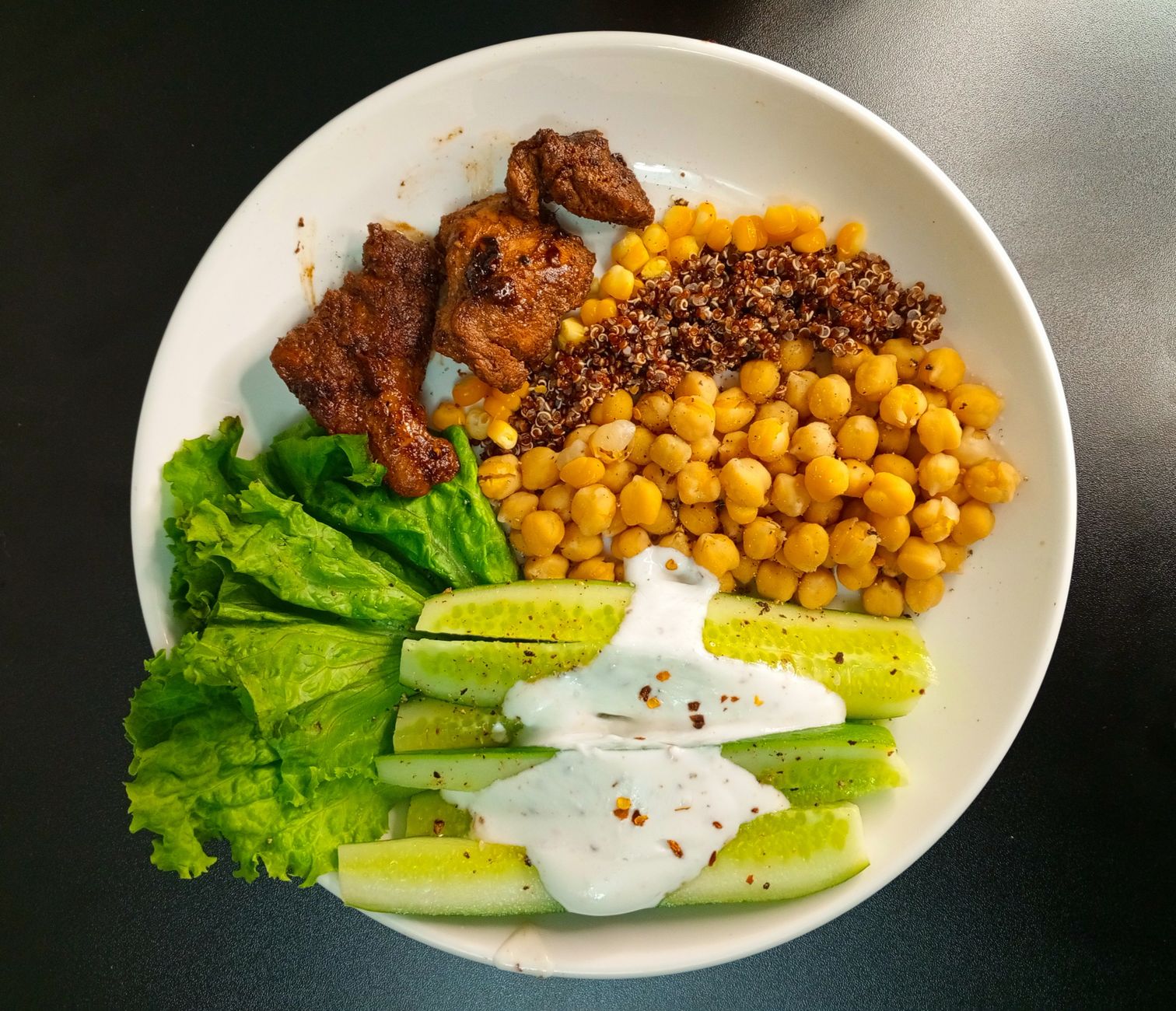
A 10-ingredient plan can stay interesting if you change the flavor, not the structure. Your meals are basically bowls, tacos, and skillets. The variety comes from the sauce, seasonings, and cooking method.
Use small switches:
With PlanEat AI, you can reuse a plan like this, swap meals quickly, and keep a repeatable protein-and-fiber backbone while still adapting meals to your dislikes and cooking time.
It can, because it reduces random eating and makes meals more consistent. Portion size still matters, but many people improve just by eating planned meals more often.
Most people do not count pantrys seasonings as part of the 10. The goal is to keep the main grocery list short.
Swap it for ground turkey, tofu, canned tuna, or frozen shrimp. Keep the rest of the structure the same.
Yes. Repeat your anchor meals and add one optional extra, like fruit or a different frozen vegetable.
Buy ingredients you will use at least twice, and plan one leftovers day. Frozen vegetables and pantry foods make waste much less likely.
Educational content only, not medical advice.
A practical 2026 guide to meal planning with just 10 ingredients. Get a simple 5-day plan, smart swaps, and tips to keep meals flexible and not boring.