
October 2, 2026
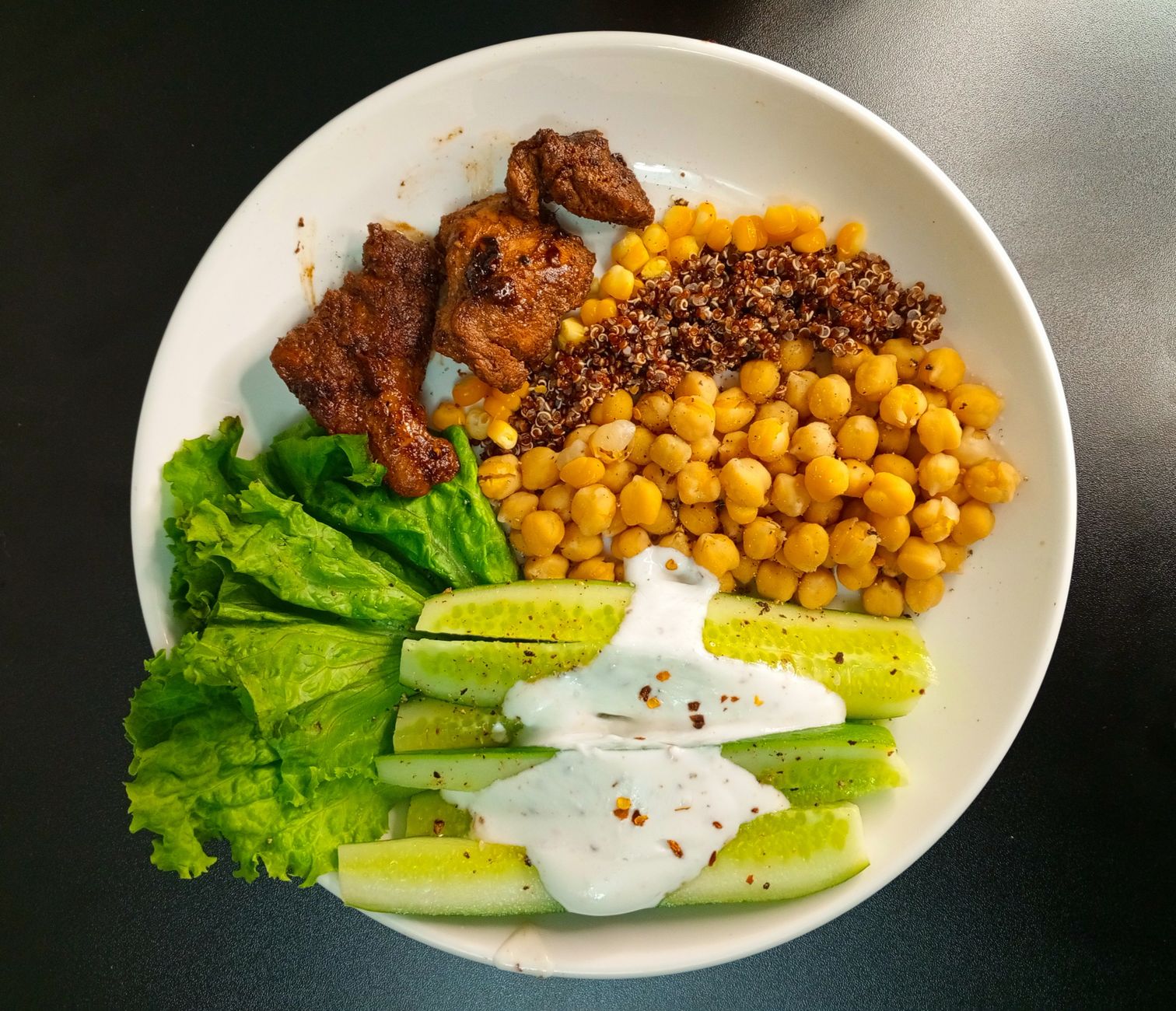
A beginner friendly guide to meal prep that shows how to choose your style, plan a simple weekly routine, and cook a few foods ahead so future meals are easier.
TL;DR: Meal prep is not about spending all Sunday in the kitchen or eating the same dish every day. It is a simple way to cook a few things ahead so your future meals become easier, cheaper, and more consistent. Start with a small weekly routine, pick a prep style that fits your life, and repeat what works instead of aiming for perfection.
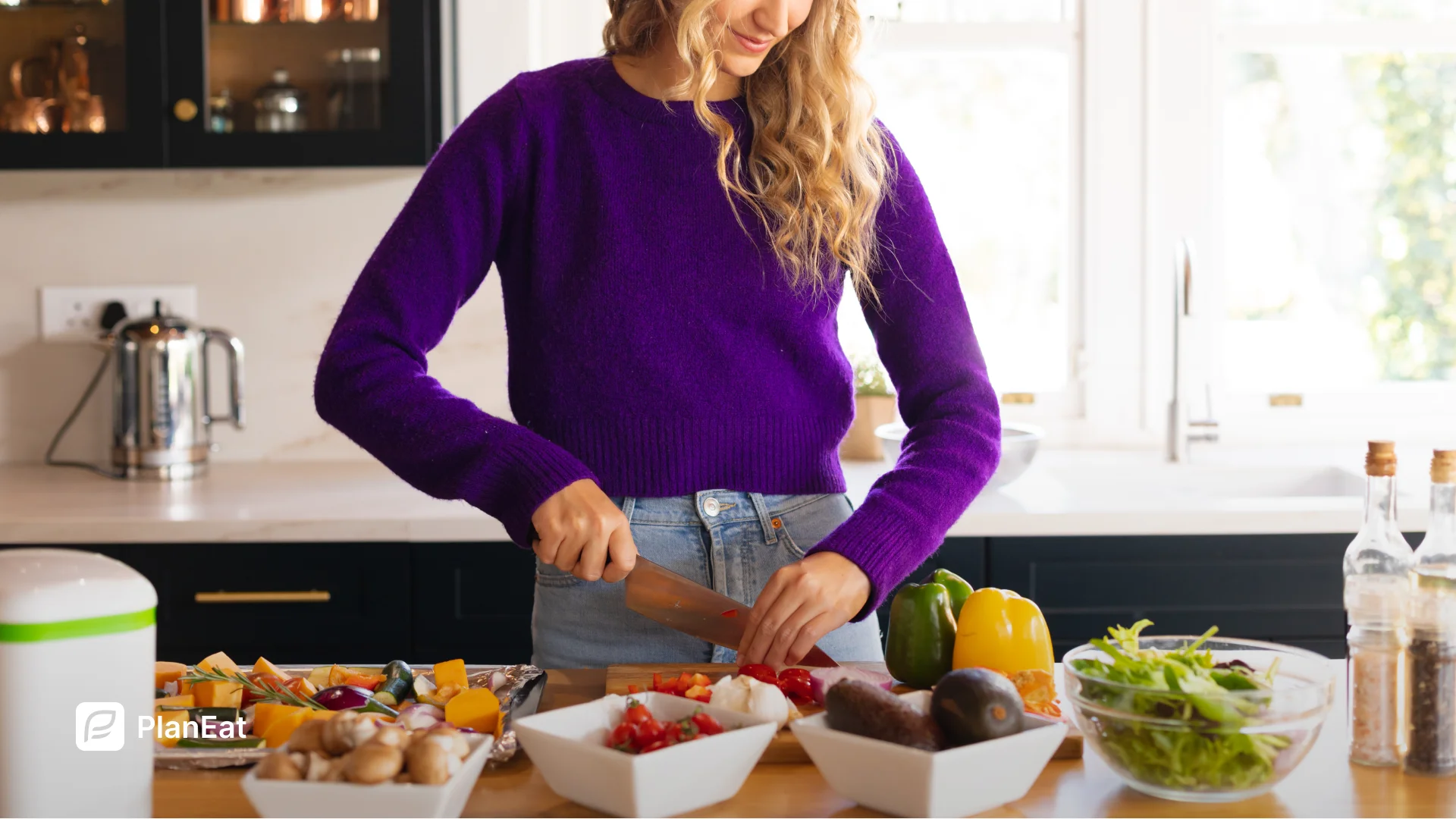
Meal prep is any habit that makes future meals easier because you did part of the work in advance. It can be as simple as washing and chopping vegetables or as structured as cooking several full meals for the week.
In practice, meal prep can mean:
Meal prep is not:
If you have never planned meals at all, it can help to understand the bigger picture first. A short overview like a beginner meal planning guide from your main meal planning article can give context, and then meal prep becomes one tool inside that structure.
You do not have to copy what you see in social media videos. Start with a style that matches your time, fridge space, and how much you enjoy leftovers.
You cook entire dishes and store them in containers.
Examples:
Pros:
Cons:
You cook and prep building blocks, then mix and match them into meals.
Examples:
Pros:
Cons:
You focus on prep that saves time, not full dishes.
Examples:
Pros:
Cons:
You can combine these styles. For example, cook one full meal for leftovers, prep a few components, and do light chopping.
If you want your prep work to follow a clear pattern, you can use PlanEat AI to generate a weekly meal plan and grouped grocery list based on your goals, dislikes, and cooking time. Then you decide which parts to cook ahead, which to prep as components, and which to leave for same day cooking.
Start small. You do not need a four hour session to benefit. Here is a basic routine you can test and adjust.
For ideas on what a balanced week can look like, you can borrow structures from your 7-day balanced meal plan article and then simplify recipes or reduce servings to match your situation.
During your prep window, focus on tasks that move several meals forward at once, for example:
If you want to see how a more structured weekend prep block can work, you can look at a weekend meal prep routine in your dedicated article and then cut it down to a lighter version while you learn.
You do not need complex recipes to start meal prepping. Focus on simple combinations you can repeat and modify.
If you want more inspiration for specific dishes that fit a prep friendly structure, you can draw from simple meal prep recipes in your easy recipe ideas article and plug them into your own weekly pattern.
Once you find a few meals and prep combinations that fit your schedule, you can save them as reusable plans in PlanEat AI. The app keeps your weekly structure and grouped grocery list in one place so you can repeat what works and only change a few meals at a time.
Most cooked dishes are commonly eaten within three to four days when stored properly in the fridge. Some foods freeze well and can last longer. Exact times depend on the recipe and storage, so when in doubt, follow food safety guidance for your region and use your senses.
No. You can cook two or three different meals and rotate them, or prep components and mix them into slightly different combinations. Repeating some meals is normal, but it does not have to be every single day.
You can start with sixty to ninety minutes once or twice a week. As you practice, you may find you can prep more in the same time or that you prefer shorter, more frequent sessions.
You do not need expensive containers. Any food safe containers with good lids can work, especially if they are clear so you can see what is inside. Over time, you might invest in a few sturdy containers that stack well and reheat safely.
Meal prep can support weight and health goals by making it easier to eat balanced meals and avoid last minute choices. It does not guarantee a calorie deficit or a specific outcome on its own, but it helps align what you actually eat with the kind of meals you are trying to have more often.
Educational content only - not medical advice.
A beginner friendly guide to meal prep that shows how to choose your style, plan a simple weekly routine, and cook a few foods ahead so future meals are easier.