
October 2, 2026
What to eat to lose weight: protein + fiber, smart carbs, palm-sized portions, and a 3-day template that can be extended to a week.

You don’t need a perfect diet. You need a gentle calorie deficit, protein + fiber at most meals, enough micronutrients to feel good, and a simple weekly routine (plan → grocery list → cook once, eat twice). Apps can help, but habits make it stick.
• Calorie deficit, not starvation. If you’re cold, dizzy or ravenous, the deficit is too deep.
• Nothing is “forbidden.” Portions and frequency matter more than labels.
• Consistency beats perfection. 80% adherence > a “perfect” week you can’t repeat.
• Health first. If you’re pregnant, breastfeeding, have a condition or take meds — talk to your clinician before diet/supplements.
• Protein at each meal: eggs, chicken/turkey, fish (salmon, sardines), tofu/tempeh, Greek yogurt, cottage cheese, beans/lentils.
• Fiber sources: vegetables (leafy, cruciferous), fruit (berries, citrus, apples), legumes, oats, whole grains, chia/flax.
• Smart carbs (for adherence): potatoes, brown rice, quinoa, whole‑grain pasta/wraps, fruit.
• Healthy fats: extra‑virgin olive oil, avocado, nuts/seeds.
• Hydration & electrolytes: drink to thirst; if you sweat a lot, include salty foods with meals.
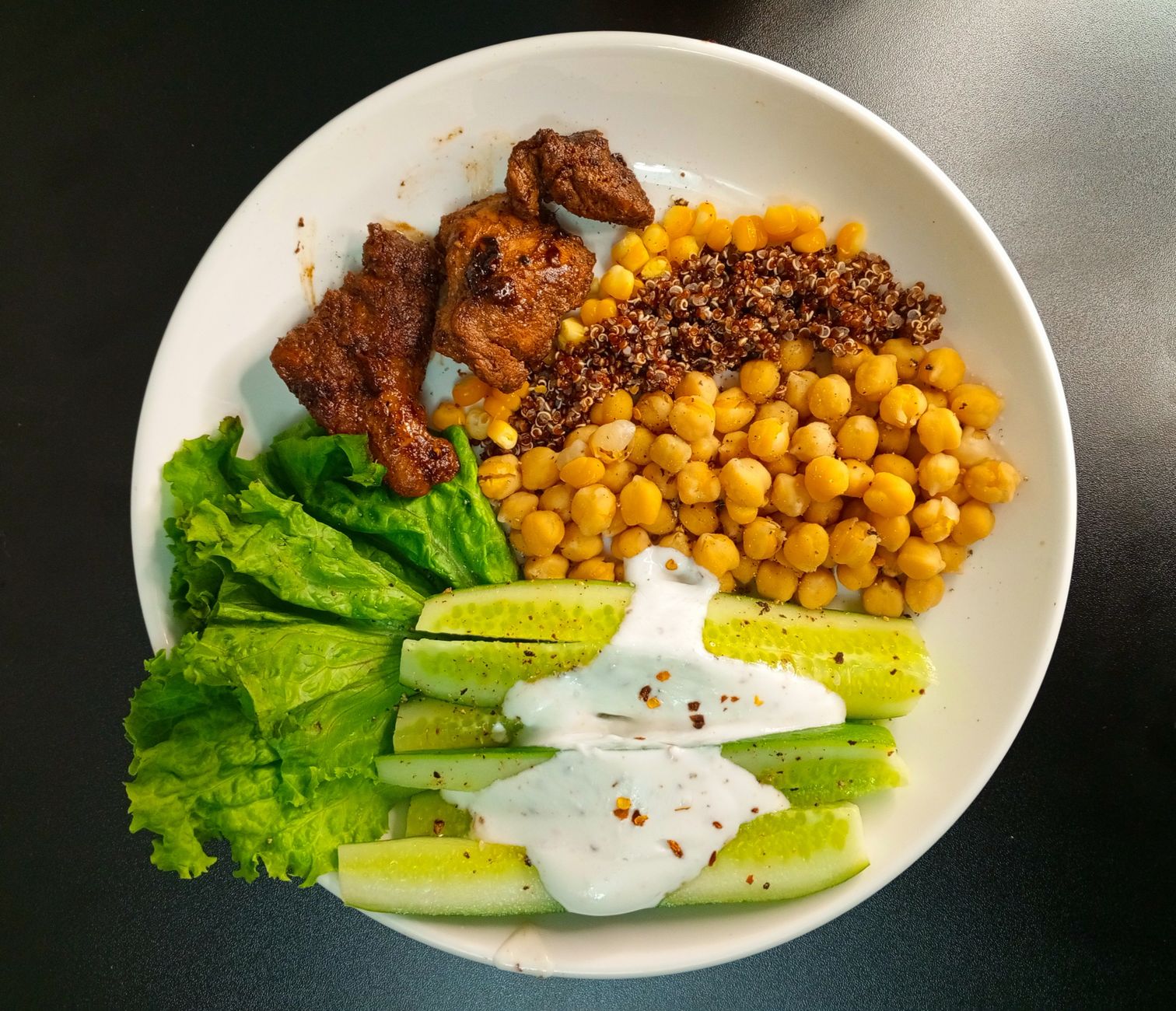
Heuristic: protein + fiber + color on the plate; keep desserts intentional, not impulsive.
Like this structure? Turn it into a 7‑day plan with a clean, grouped grocery list — no manual math. Generate my 7‑day plan →
Ultra‑processed sweets/snacks (save for planned moments after meals), sugary drinks/juices, excess alcohol, and “health halos” (granola bars, smoothie bowls) where portions quietly explode.
• Protein: 1 palm (women) / 2 palms (men) per main meal.
• Carbs: 1 cupped hand (women) / 2 cupped hands (men).
• Fats: 1 thumb (women) / 2 thumbs (men).
• Veggies: 2 fists per main meal. Adjust up/down based on hunger, energy, and progress.
Losing weight shouldn’t mean feeling flat. These often support energy, mood, hair/skin, and cravings.
• Iron — energy/oxygen. Food: lean red meat (moderation), liver occasionally, mussels, beans/lentils, spinach + vitamin C.
• Vitamin B12 — nerves/energy (watch if vegan). Food: dairy, eggs, fish, fortified foods.
• Iodine — thyroid. Food: iodized salt, sea fish, dairy (avoid megadoses of seaweed).
• Vitamin D — immunity, mood, bones. Food: oily fish, egg yolks, fortified milks. (Test before supplementing.)
• Calcium — bones, muscles/nerves. Food: dairy or fortified plant milks, tofu (calcium‑set), small bony fish, leafy greens.
• Magnesium — sleep/muscles. Food: pumpkin seeds, nuts, cocoa, whole grains, legumes.
• Potassium — fluid balance/BP. Food: potatoes, bananas, beans, dairy, greens.
• Omega‑3 (EPA/DHA) — heart/brain, inflammation. Food: salmon, sardines, mackerel; algae oil for plant‑based.
• Folate — cell health. Food: legumes, leafy greens, citrus, fortified grains.
Supplements can help when a deficiency is confirmed. Food‑first is safer.
• 3 meals + 0–2 snacks works for most.
• Protein at breakfast reduces evening snack attacks.
• Have sweets after meals (not on an empty stomach) to avoid spikes → crashes → stronger cravings.
• Sleep & movement matter: poor sleep elevates hunger hormones.
Day 1
Breakfast: Greek yogurt (1 cup), berries (1 cup), oats (¼ cup), nuts (1 Tbsp).
Lunch: Chicken (4–6 oz), quinoa (¾ cup cooked), big salad + olive oil.
Dinner: Salmon (5–6 oz), potatoes (1 cup), broccoli (2 cups) + yogurt sauce.
Snack: Apple + 1 Tbsp peanut butter.
Day 2
Breakfast: 2–3‑egg veggie omelet + whole‑grain toast (1 slice).
Lunch: Lentil soup (2 cups) + side salad.
Dinner: Turkey/tempeh stir‑fry (5–6 oz protein) with rice (¾ cup cooked) and peas.
Snack: Cottage cheese (¾ cup) + pineapple.
Day 3
Breakfast: Protein oatmeal — oats (½ cup dry), milk, chia (1 Tbsp), banana (½).
Lunch: Tuna (or chickpea) salad wrap + carrots.
Dinner: Tofu or chicken fajita bowl — beans (½ cup), peppers/corn, avocado (¼).
Snack: 1–2 squares dark chocolate + small handful of nuts.
Like the flow? Duplicate the pattern for 7 days or let an app propose swaps while keeping calories consistent.
• Plan the week in 10 minutes: 2–3 breakfasts, 3–4 dinners; use leftovers for lunches.
• Shop with a grouped list so the store takes 15–20 minutes, not 45.
• Cook once, eat twice: batch a protein and a grain; mix‑and‑match with vegetables/sauces on busy days.
• Rescue shelf: eggs, canned fish, beans, frozen veg, wraps, yogurt — for 3‑minute meals when plans change.
Tip: Planning tools can auto‑set a reasonable calorie target, generate a weekly plan and a clean, grouped grocery list. Swaps should keep your target intact; menus should be meal‑prep‑friendly
Build most meals around protein + fiber + color. Think eggs, chicken/turkey, fish, tofu/tempeh, Greek yogurt or beans for protein; vegetables, fruit, legumes, oats and whole grains for fiber; add smart carbs (potatoes, brown rice, quinoa) and a little healthy fat (olive oil, nuts). Aim for a gentle calorie deficit you can repeat weekly.
Not strictly. A simple hand‑portion method works: 1 palm of protein, 1 cupped hand of carbs, 1 thumb of fats, and 2 fists of veggies per main meal (adjust to hunger, energy, progress). If you prefer guidance, use a planner that auto‑sets calories and keeps them consistent when you swap meals.
For most, a palm‑size portion (about 4–6 oz cooked) at main meals keeps you fuller and protects lean mass. Exact needs vary by body size and activity. Prioritize protein at breakfast to reduce evening cravings.
No. Carbs help adherence and recovery. Choose fiber‑rich options (potatoes, brown rice, oats, fruit, beans) and pair with protein and veggies. What matters is your overall deficit and meal quality, not zero carbs.
Whatever you can repeat. For most, 3 meals + 0–2 snacks works well. Regular meals beat all‑day grazing and help control cravings. Sleep and movement also affect appetite.
What to eat to lose weight: protein + fiber, smart carbs, palm-sized portions, and a 3-day template that can be extended to a week.