
October 2, 2026
Use this 200 gram protein meal plan to organize a high-protein week with meal timing, grocery staples, and practical ways to hit the target every day.
Use this 200 gram protein meal plan to organize a high-protein week with meal timing, grocery staples, and practical ways to hit the target every day.
This guide turns that target into a practical week with repeatable meals, grocery logic, and enough structure that protein does not become an all-day math problem.
That matters because a 200-gram target usually fails from inconsistency, not from lack of information. The meals have to be ordinary enough to repeat, portable enough for workdays, and planned well enough that the last 60 grams do not depend on one giant dinner and a desperate shake at night.
A 200 gram protein meal plan is usually relevant to larger athletes, aggressive muscle-gain phases, or people intentionally structuring a high-protein intake. The target is high enough that meal timing, food choice, and grocery planning matter more than people expect.
The dominant format across this search cluster is consistent: a beginner-friendly explainer, a 7-day menu, macro guidance, a grocery list, and a short FAQ. That makes sense. People searching for this topic usually want to know what the week actually looks like, not just whether the calorie target sounds reasonable in theory.
If you need a quick comparison point, 1800 Calorie Meal Plan, 2000 Calorie Meal Plan, and Meal Plan Calendar are useful adjacent references before you overhaul the whole week.
The easiest way to make 200 gram protein meal plan usable is to stop treating the number like a personality trait. It is just a weekly operating target. The plan works when the meals are built clearly enough that you can repeat them and then scale portions up or down in small steps.
The broader framing from this external resource and this companion reference helps with the big nutrition picture, but the week still lives or dies on shopping, prep, and repetition.
The useful part of a calorie target is not precision theater. It is behavioral clarity. When you know roughly what breakfast looks like, how lunch is supposed to function, and what dinner needs to accomplish, the weekly structure becomes easier to repeat. That repeatability matters far more than pretending each day will unfold under ideal conditions.
It also helps to treat the target as a range in practice instead of a moral score. One meal may run a little bigger, another a little lighter, but a stable week usually matters more than chasing daily perfection and then rebounding into unplanned eating by the weekend.
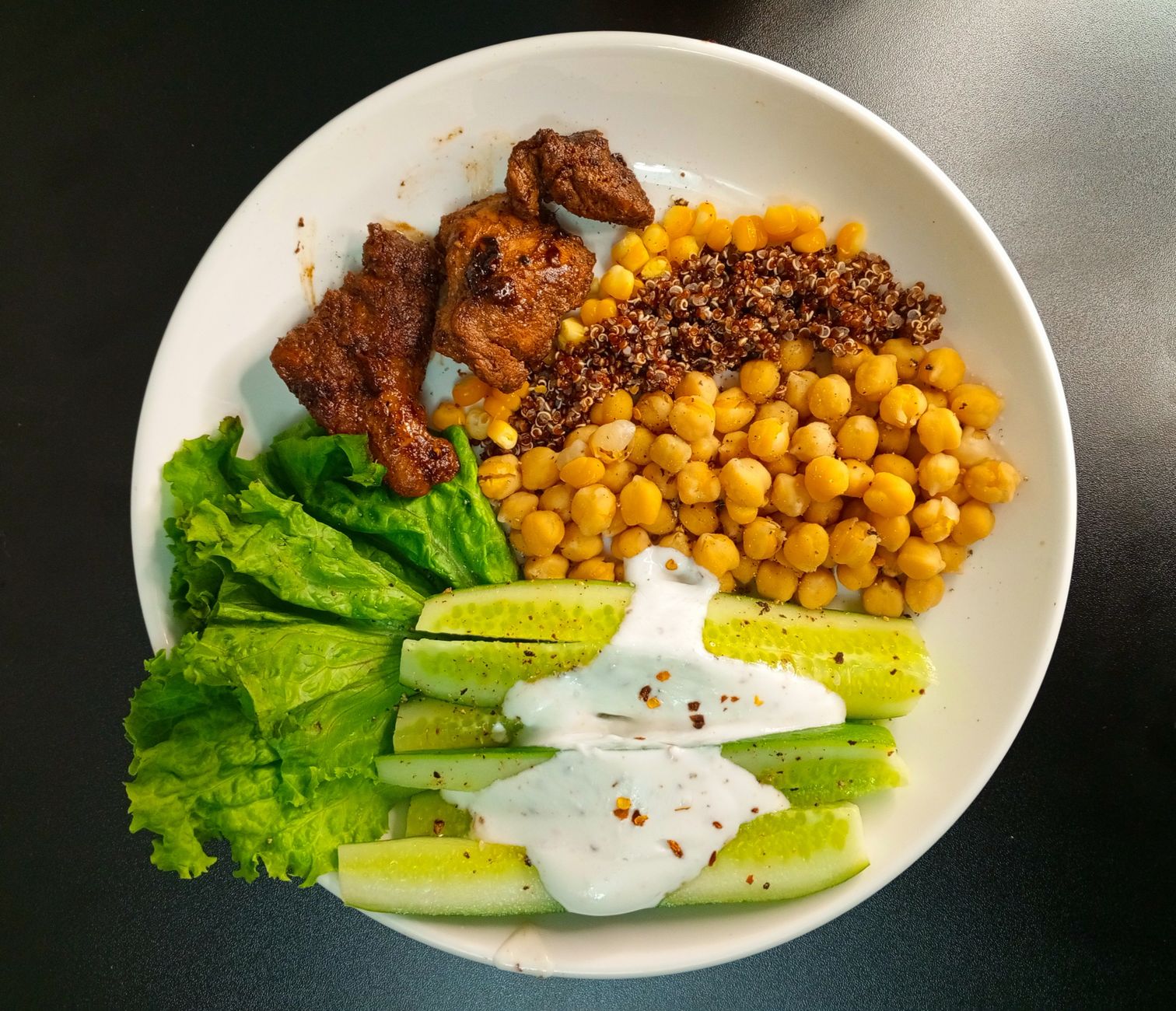
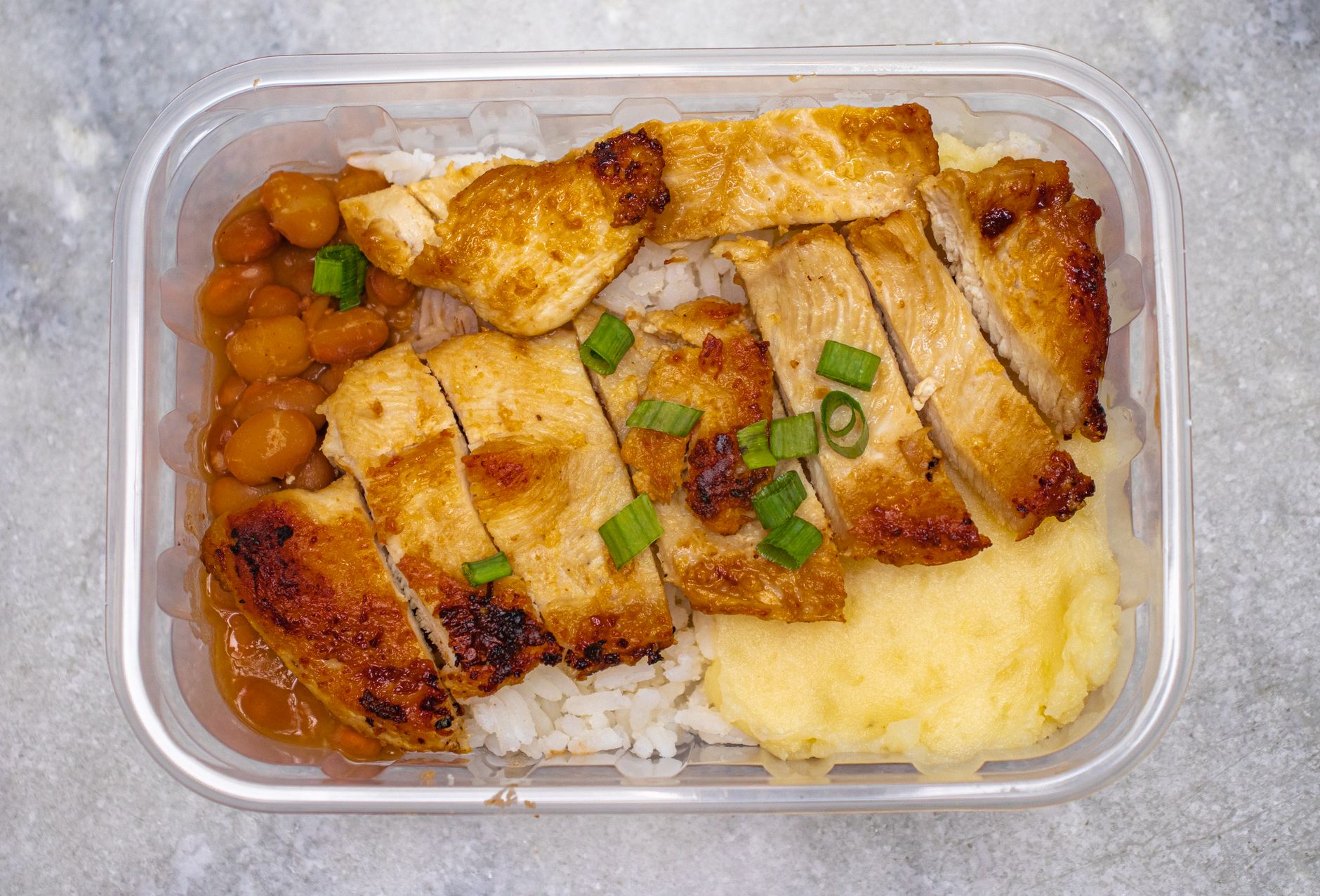
Breakfast is protein oats or eggs, lunch is a large chicken-and-rice bowl, dinner is salmon or lean beef with potatoes, and snacks close the gap with yogurt, cottage cheese, or shakes.
Keep breakfast simple, lunch protein-heavy, and dinner built around a large main protein serving. The point is not variety. The point is distributing protein across the day so 200 grams does not depend on one oversized dinner.
Use a packable lunch, one fast snack, and a structured dinner so the target still works on a busy schedule. That is where a practical high protein meal plan beats a theoretically perfect one.
Anchor carbs around training and keep the protein spread across meals. This makes a 200 grams of protein meal plan more manageable than trying to rescue the total at night.
Use burgers, wraps, pasta, bowls, or tacos if needed, but keep the protein amount obvious. Familiar meals work fine when the portions are built intentionally.
Cook one or two bulk proteins and portion out easy add-ons. The plan survives because the protein decisions have already been made before hunger gets loud.
Use the remaining proteins, starches, and vegetables in bowls, wraps, or plates. Repetition is one of the reasons a protein-heavy week remains realistic.
A useful 200 gram protein meal plan works better when the grocery list is built around overlap instead of seven unrelated dinner moods. Buy two proteins, two starch bases, and a narrow set of vegetables you will actually use. That is usually enough variety without turning the week into a second job.
Prep components, not perfection. Cook one protein, prep one starch, wash the produce, and decide which leftovers are allowed to become lunch. That is one of the biggest differences between a plan that looks good in notes and a plan that still works when the workday goes long.
If the planning part is what always breaks first, Meal and Grocery Planner is the more useful fix than another complicated recipe spreadsheet. The goal is fewer decisions, not prettier decisions.
It also helps to pre-decide one backup dinner and one backup snack. That small step protects the 200 grams of protein meal plan from collapsing after one chaotic evening, which is exactly where most calorie plans quietly fail.
Another useful rule is to assign jobs to meals instead of trying to make every meal do everything. Breakfast can be simple and consistent. Lunch can be portable and good enough. Dinner can carry more variety and more of the social or comfort side of eating. When each meal has a job, the plan usually feels less fragile.
This is also why batch cooking only the right things works better than meal-prepping every container in full. Cook the proteins, grains, and vegetables. Leave sauces, toppings, and final assembly flexible. That gives you structure without creating the weird fatigue that comes from staring at identical boxes by day three.
The main thing competitors underplay is decision fatigue. A plan does not fall apart because the macro math was slightly off. It falls apart because dinner was slow, lunch was unplanned, or the grocery trip already felt like too much. That is why repetition is doing useful work here, not lazy work.
If you want the weekly structure without rebuilding it from scratch every Sunday, PlanEat AI on the App Store can keep the meals, grocery list, and swaps in one place so the plan stays usable when real life gets noisy.
A better rule than “be more disciplined” is “make the default meal easier.” Choose one breakfast, one lunch, and one dinner that can happen even on the low-energy day. Once those defaults exist, the entire week becomes much easier to repeat.
That is usually how a working meal plan looks in real life: less variety, more overlap, fewer heroic decisions, and better follow-through by day five.
It also helps to define what “good enough” means before the week begins. A dinner does not need to be ideal to protect the structure. It only needs to fit the broad target and keep one messy evening from turning into three days of drift. That mindset shift is often more useful than shaving another 30 calories off a snack.
Most of the time, the best adjustment is smaller than people expect. Add or subtract a starch serving. Move a snack earlier. Increase protein at breakfast. Swap one dinner for a faster one. Plans become durable when they are easy to steer, not when they are too rigid to survive contact with actual life.
That is also why a written backup list helps. Keep one emergency breakfast, one lunch you can assemble in minutes, and one no-drama dinner built from pantry staples or leftovers. That tiny layer of preparation saves more weekly consistency than another round of inspirational planning ever will.
200 Gram Protein Meal Plan: 7-Day High-Protein Guide works best when the plan is clear enough to repeat and flexible enough to survive a normal week. Small portion adjustments are usually more useful than rebuilding the whole structure every time one day feels off.
Usually people intentionally targeting a very high protein intake for training, body composition, or structured performance nutrition.
Yes. In practice, repeating breakfast or lunch is often one of the reasons the week stays easier to shop for and easier to follow.
Adjust portions, snacks, or starch amounts before rebuilding the whole week. Small corrections are usually more useful than a total restart.
Use overlapping groceries, simpler defaults, and one planned backup meal so the plan can absorb a busy day without falling apart.
200 Gram Protein Meal Plan: 7-Day High-Protein Guide works best when the plan is clear enough to repeat and flexible enough to survive a normal week. Small portion adjustments are usually more useful than rebuilding the whole structure every time one day feels off.