PlanEat article cover
September 23, 2026
Use a meal plan calendar to map dinners, leftovers, prep notes, and groceries in one place. This simple weekly template is easy to keep using every week.
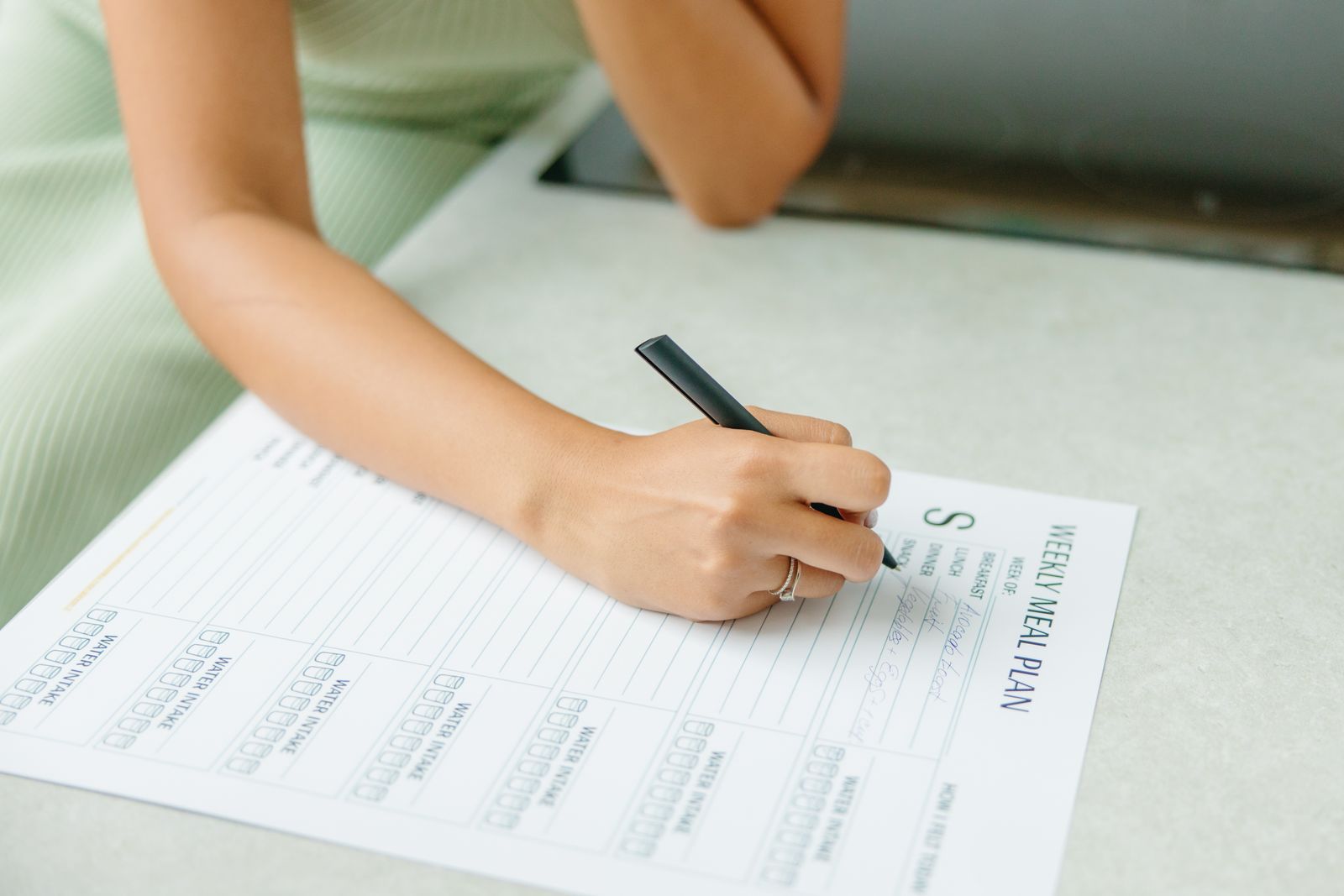
A meal plan calendar is the simplest way to see your week before dinner turns into a 6 p.m. negotiation. Instead of storing meal ideas in five different places, you map breakfast, lunch, dinner, leftovers, and a grocery list in one weekly view.
The best version is not fancy. It is a weekly meal planner that matches your real schedule, gives leftovers a job, and makes shopping easier before the week starts.
The dominant pages ranking for this topic lean heavily on templates, printable planners, and grocery-list layouts. They consistently promise the same outcomes: less stress, fewer forgotten ingredients, and a faster answer to “what’s for dinner?” They are right about the format. A visible weekly grid helps because it turns separate meal decisions into one weekly system.
But most of those pages stop at the printable. The more useful upgrade is matching your calendar to your actual life. Monday may need a 20-minute skillet. Wednesday may need leftovers because you get home late. Friday might be the night where cooking is easy; deciding is the hard cardio.
If you need the broader framework first, How to Build a Weekly Meal Plan (Examples) pairs naturally with this topic.
Across the top template pages, the recurring features are consistent: a weekly grid, meal slots, shopping help, and space for notes. A useful weekly meal planner should include:
Template galleries such as OnPlanners focus on printable grids, shopping-list columns, and digital planner variants. MyCookingList pushes the “calendar plus grocery automation” angle. Printables for Life adds leftover planning, notes, snacks, and reusable formats. That tells us the intent is not “teach me nutrition theory.” It is “help me organize the week in a format I can use.”
Start with your schedule, not recipes. Look at work nights, commute days, practice nights, and any evening where your energy will be lower than your ambition. The CDC also recommends planning meals at home, making a grocery list, and sticking to that list while shopping.
Do not plan seven unique masterpieces. Four or five anchor dinners plus leftovers usually work better. That is also why Quick Meal Planning: Build a 30-Minute Weekly Plan works well as an internal next read.
This is where many competitors stay too generic. A strong meal planning template should tell every leftover where it goes. It should also keep one backup meal such as eggs on toast, quesadillas, soup and grilled cheese, or freezer dumplings.
After the week is visible, group ingredients by store section. That turns the calendar into a real shopping workflow instead of a nice idea with no execution. Grocery List Structure & Money-Saving Tips goes deeper on this exact step.
Here is a practical weekly structure. It is intentionally boring in the useful way.
| Day | Main plan | Prep or leftover note |
|---|---|---|
| Monday | Sheet-pan dinner | Cook extra vegetables for Tuesday lunch |
| Tuesday | Rice bowl or pasta | Use Monday leftovers |
| Wednesday | Fast skillet or tacos | Low-energy night |
| Thursday | Soup, curry, or tray bake | Double batch for Friday lunch |
| Friday | Flexible meal or family favorite | Use what is left in the fridge |
| Saturday | Higher-effort dinner | Good night for fresh recipe energy |
| Sunday | Prep + simple dinner | Wash produce, cook grain, reset list |
If you are planning for a family instead of one person, Family Meal Planning: One Plan, Everyone Happy shows how to keep one shared base meal without cooking separate dinners.
The top pages split into two camps: printable PDFs and digital planners. Neither wins by default.
The right choice is the one you check when you are hungry and tired, not the one that looks most organized on Sunday afternoon. If you want the planning view and the shopping list to stay in the same system, Try PlanEat AI on the App Store can help you turn meal count, preferences, and cooking time into a weekly plan with a grouped list, which is far more useful than writing a fresh calendar from zero every week.
This is the biggest blind spot in template-heavy content. Write one symbol on each day: low, medium, or high energy. Then assign meals accordingly. That tiny change makes your weekly meal planning more honest and far more likely to stick.
Use one notes line for leverage tasks: chop onions, cook rice, wash greens, thaw protein, or portion leftovers. That turns a static weekly meal planner into a working system. If you want more on that layer, Meal Prep Basics: Beginner’s Guide to Cooking Ahead is the cleanest companion read.
For nutrition structure behind the calendar, the USDA MyPlate Plan, the CDC guide on planning meals and snacks, and Harvard Health’s piece on building a plan for healthy eating are strong references.
A meal plan calendar works when it lowers decisions, not when it becomes another perfection project you avoid by Wednesday.
A meal plan calendar is a weekly layout that shows what you plan to eat on each day and often includes prep notes, leftovers, and a grocery list.
At minimum, include day-by-day meal slots, one leftover plan, a grouped grocery list, and notes for prep or low-energy nights.
Printable works well when you want the plan visible in the kitchen. Digital works better if you want faster edits, sharing, or a phone-based workflow.
One week is the sweet spot for most people. It is long enough to organize groceries and leftovers without locking you into a month of bad guesses.
Match meals to your schedule, plan one rescue dinner, and tell leftovers exactly where they go. The best calendar is the one that survives a busy Wednesday.
A meal plan calendar works when it lowers decisions, not when it becomes another perfection project you avoid by Wednesday.