
PlanEat article cover
September 23, 2026
Build a meatless meal plan with simple proteins, smart leftovers, and a flexible 5-day menu that keeps weeknight dinners balanced, affordable, and easy.
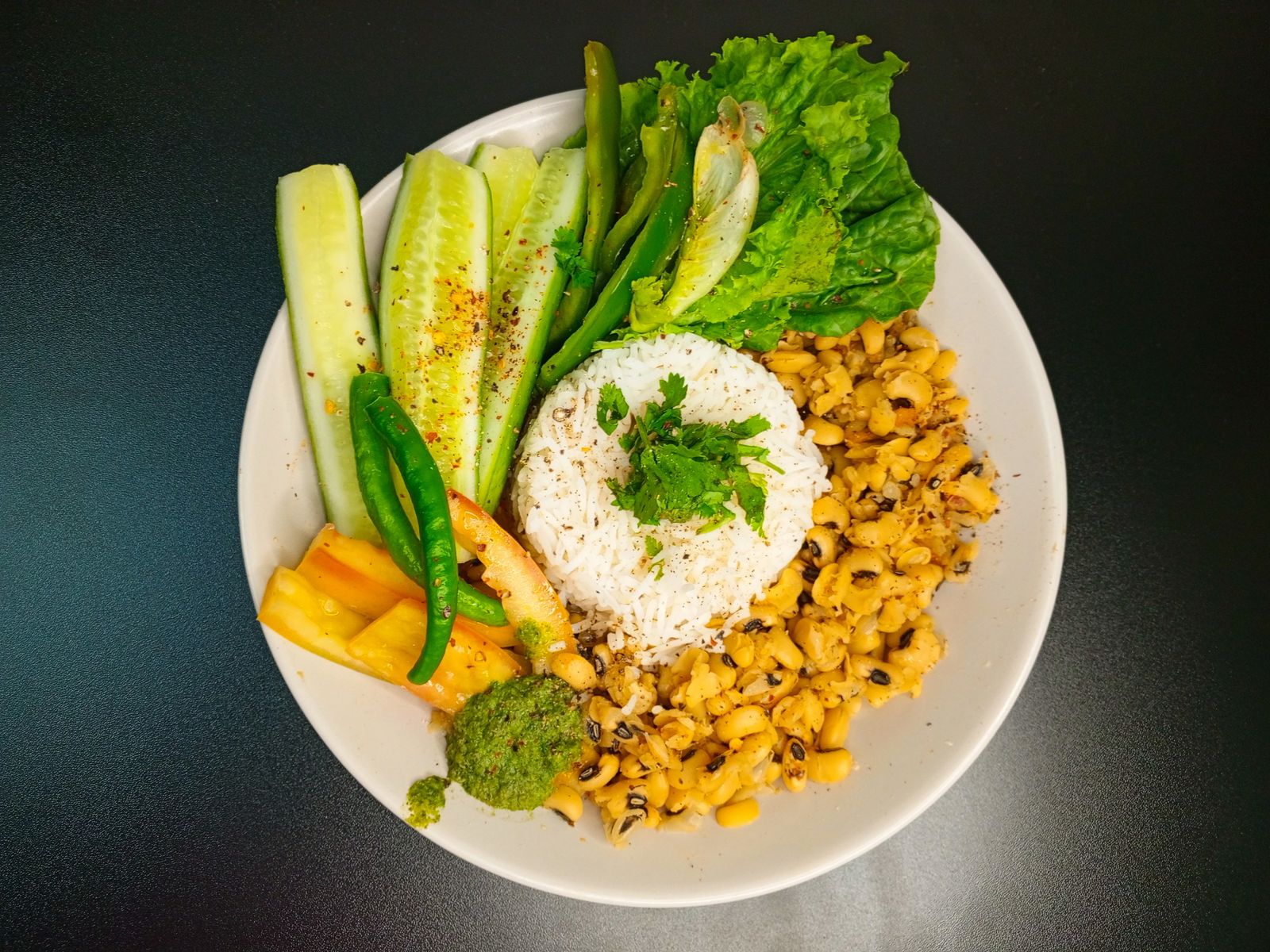
Meatless meal plan usually means one thing in real life: you want dinners that feel balanced and filling without relying on meat every night. The most useful version is not a rigid challenge or a stack of complicated recipes. It is a practical weekly structure that gives you reliable proteins, overlapping groceries, and one clear plan for leftovers.
If you want a week that is easier to shop for and easier to cook, start with a simple 5-day system. That gives you enough variety to stay interested without creating a fridge full of half-used ingredients and a bag of spinach one day away from growing fur.
Most top-ranking guides for this topic agree on the basics: use whole foods, rotate plant proteins, keep dinners easy, and prep a little ahead. They are right, but many stop too early. The real friction is not inspiration. It is execution. You can absolutely eat well without meat, but only if your week is built around repeatable parts instead of seven unrelated recipes.
This is why vegetarian meal planning tends to work best when you decide your structure first. One bowl night, one pasta night, one soup or curry night, one taco or wrap night, and one leftovers cleanup night is far more realistic than trying to cook a new masterpiece every evening.
If you want a reusable skeleton for the week before you plug in recipes, How to Build a Default Weekly Menu Template (2026) is a useful companion.
The biggest mistake in a meatless week is assuming vegetables alone will carry the plan. They will not. A healthy vegetarian meal plan feels satisfying when each day has a clear protein anchor and enough carbs, fat, and fiber to keep you full.
Good anchors for one week include:
Harvard Nutrition Source has a straightforward overview of protein basics, and the Academy of Nutrition and Dietetics offers practical advice on building a vegetarian diet. You do not need to obsess over perfect numbers, but you do need a plan that is more solid than “maybe chickpeas will sort this out.”
Pick two main proteins for the week, then one backup. Example: lentils plus tofu, with eggs as backup. This keeps your shopping list lean while still giving you range.
Broccoli, spinach, mushrooms, peppers, carrots, cauliflower, onions, and zucchini all work well because they can move through pasta, bowls, soups, and skillets without much drama.
Rice, quinoa, or farro gives you bowl structure. Pasta, tortillas, potatoes, or bread gives you convenience. The best weeks usually include both.
A pot of lentils becomes taco filling tomorrow. Roasted vegetables move into grain bowls. Extra tofu lands in lunch wraps. This is the part many vegetarian meal plans under-explain, even though it is what keeps your week from falling apart.
Frozen dumplings, tomato soup with grilled cheese, boxed mac and cheese with peas, or eggs on toast count. Cooking is easy; deciding is the hard cardio, so your rescue meal should reduce thinking, not add more of it.
If your household already runs on lighter-cook weeks, How to Meal Plan With Minimal Cooking (2026) fits this exact approach.
This sample vegetarian meal plan is designed for ordinary weeknights. It is not trying to impress anyone. It is trying to get dinner on the table before you start negotiating with a delivery app.
This is also what makes a good easy plant based meal plan. It is not five trendy recipes. It is one sensible structure that can stretch, swap, and recover when the week gets messy.
Your grocery list should follow the plan, not the fantasy version of yourself who suddenly has time to make three sauces on a Thursday. For most meatless weeks, this is enough:
The USDA MyPlate Plan is a simple reference if you want to sanity-check balance across meals. If you also want to waste less while cooking more plants, Zero-Waste Meal Planning (2026) uses the same overlap principle from a food-waste angle.
When turning preferences into a full week starts feeling like another part-time job, PlanEat AI on the App Store can help map your dinner count, ingredient preferences, and cooking time into a weekly plan with a grouped grocery list, which is much more useful than rebuilding the same system from scratch every Sunday.
One overlooked issue in meatless planning is front-loading convenience foods and then trying to solve hunger with a giant dinner. It usually works better to add protein earlier too: yogurt at breakfast, edamame at lunch, lentils or tofu at dinner. That makes the whole plan feel steadier.
Many guides assume every vegetable will get cooked on schedule. Real weeks are ruder than that. Frozen peas, frozen edamame, frozen spinach, and one freezer dinner give the plan resilience. If a family schedule is part of the chaos, Family Meal Planning: One Plan, Everyone Happy shows how to keep a shared base even when preferences differ.
The best meatless meal plan is the one that gives you enough protein, enough convenience, and enough flexibility to survive an ordinary Wednesday.
A useful meatless meal plan usually includes 4 to 5 dinners, 2 to 3 clear protein anchors, one grouped grocery list, and one backup meal for low-energy nights.
Use beans, lentils, tofu, tempeh, eggs, Greek yogurt, edamame, or higher-protein pasta across the week instead of relying on vegetables alone.
Often yes, but not always. Some people use “meatless” to mean vegetarian, while others still include eggs or dairy. Decide that first so your grocery list matches your actual routine.
Pasta with beans or lentils, tofu rice bowls, black bean tacos, soups, curries, grain bowls, and tray bakes are usually the easiest meatless dinners for busy nights.
Rotate the format instead of chasing endless ingredients. Bowl night, taco night, pasta night, soup night, and cleanup night already feel different even when they share groceries.
The best meatless meal plan is the one that gives you enough protein, enough convenience, and enough flexibility to survive an ordinary Wednesday.