
PlanEat article cover
September 23, 2026
Use this 7 day meal plan for runners to match carbs, protein, hydration, and recovery meals to training days without turning weekly fueling into guesswork.
A 7 day meal plan for runners should do one job well: help you match food to training without turning every run into a spreadsheet. Most runners do not need perfect macro math. They need a repeatable week of carbs, protein, produce, snacks, and hydration that makes hard days feel supported and easy days feel uncomplicated.
If you have ever finished a workout ravenous, under-ate before a long run, or stared into the fridge at 7 p.m. wondering whether cereal counts as recovery, this guide is for you. It is a practical running nutrition meal plan, not a fantasy version built for someone who has endless prep time and a personality that enjoys measuring almond butter.
The current top-ranking pages for this topic tend to agree on the basics: runners need enough carbohydrates, enough protein, simple hydration habits, and meal timing that supports training. They also usually present the topic as a 7-day guide or a sample weekly plan. That format clearly matches search intent, so this article does too.
Where many of those pages stay thin is day-to-day structure. They tell you what nutrients matter, but not how to build a usable runners meal plan when Tuesday is speed work, Thursday is busy, Saturday is your long run, and Sunday is when your leftover rice becomes suspicious. This version closes that gap by organizing the week around training stress, recovery, and prep efficiency.
If you want the simplest planning base before you layer on running fuel, Meal Planning Basics: How to Start Without Overthinking It is the cleanest starting point.
A useful weekly meal plan for runners is not seven random healthy meals. It is a rhythm:
The point is not perfection. The point is reducing food decisions so the actual running gets your best energy. If your schedule is chaotic, Meal Planning Routine That Sticks (2026) pairs well with this article because the same “small enough to repeat” rule matters even more when workouts are already demanding.
Your harder days usually need a bit more carbohydrate support, especially if the workout is longer, faster, or stacked with strength work. In practical terms, that means oats, toast, rice, potatoes, pasta, fruit, wraps, or cereal are not the enemy here. They are the obvious fuel source.
This does not mean every meal has to become a carb parade. It means your running nutrition meal plan should place easy carbs where they help most: before a workout, after a workout, and at the main meals that bracket higher training load.
Easy days can dial carbs down slightly, but the bigger goal is still balanced eating. Protein, produce, quality fats, and enough total energy matter because adaptation happens between workouts, not only during them. A lot of runners accidentally under-eat on rest days, then feel flat or overly hungry the next day.
If macros are the part that feels vague, Macros for Beginners: Protein, Carbs, Fat, How Much? is the best internal companion for understanding the tradeoffs without making food tracking your new hobby.
This sample assumes a common weekly pattern: one speed session, one strength or tempo day, one long run, and a couple of easy or recovery days. Adjust the training labels, but keep the meal logic.
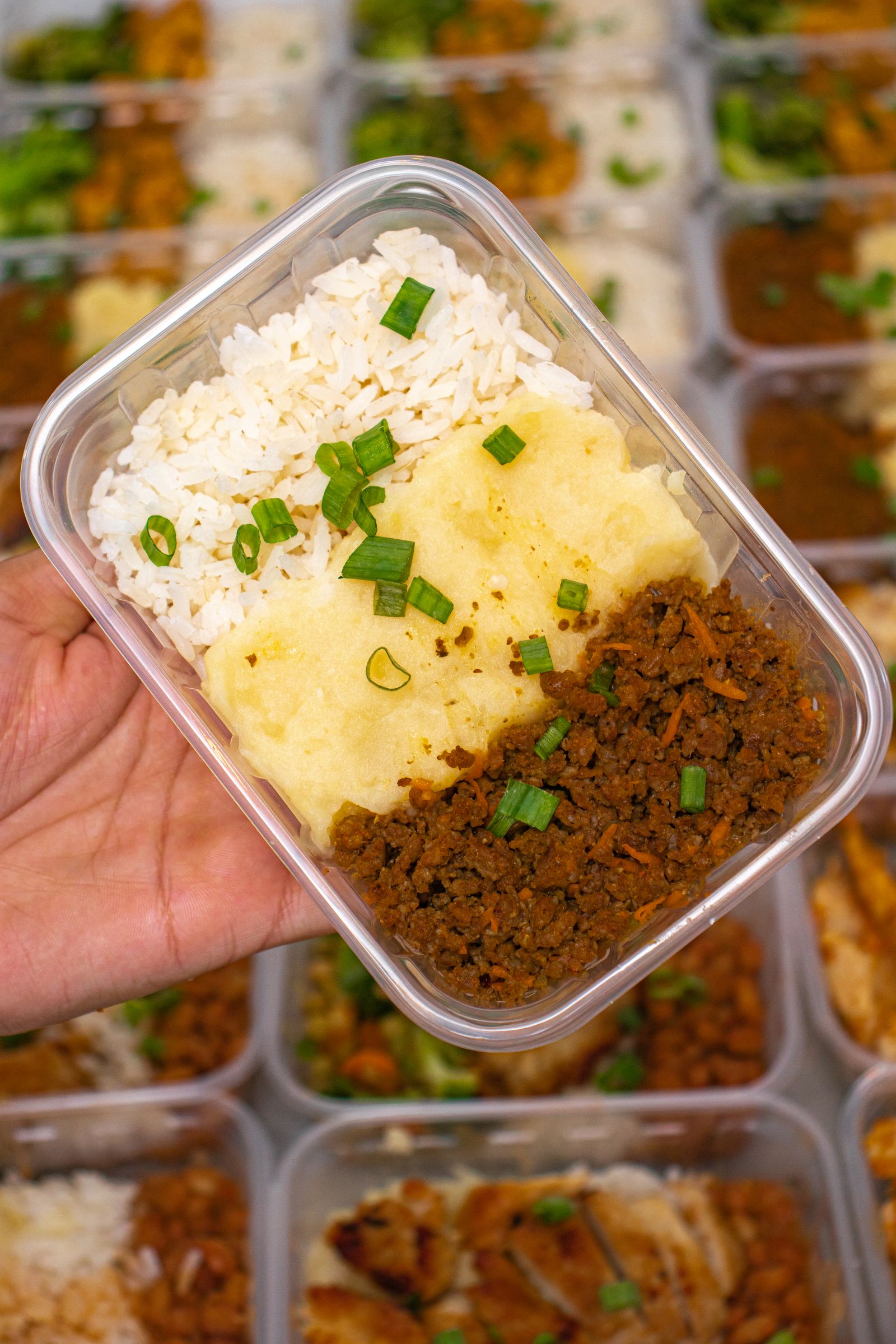
The smartest runner meal prep is usually component prep, not seven identical containers. Most runners get more value from preparing a few building blocks:
If planning the whole thing still feels heavier than the workouts, PlanEat AI on the App Store can turn your training week, food preferences, and dinner count into a reusable plan and grocery list, which is a lot more useful than reinventing your fueling setup every Sunday.
For a faster weekly reset, Quick Meal Planning: Build a 30-Minute Weekly Plan is the right follow-up read.
The best pre-run food is not the internet’s favorite food. It is the one you digest well. Keep long-run breakfasts boring on purpose. That is a compliment, not an insult.
After a hard run, your perfect salmon-quinoa-kale masterpiece may be less useful than yogurt, cereal, eggs on toast, or leftover rice with chicken because convenience wins the race to actual execution.
If you prep rice, cooked protein, smoothies, or recovery meals ahead, storage matters. The USDA-backed FoodKeeper app is worth using so your prep work does not turn into a fridge science project.
REI’s guide to trail-running nutrition basics is useful for practical carb, snack, and hydration reminders around longer efforts. The CDC’s page on healthy eating is a good sanity check that base nutrition still matters, even when training is the focus. And if your plate quality tends to fall apart when life gets busy, Protein Goals for Weight Loss: Simple Calculator is still useful here because runners often underdo protein when they focus only on carbs.
The best runner nutrition plan is not the fanciest one. It is the one that keeps your easy days easy, your hard days fueled, and your week repeatable.
A practical 7 day meal plan for runners should include repeatable breakfasts, higher-carb meals around harder sessions, protein-forward recovery meals, portable snacks, hydration habits, and one backup dinner for busy nights.
It depends on body size and training load, but most runners benefit from spreading protein across meals instead of trying to catch up at dinner. Breakfast and post-run meals are common weak spots.
The best pre-run meals are easy to digest and familiar: toast, oats, cereal, a banana, or a simple bagel setup. Long-run mornings are not the time for culinary experimentation.
Prep components instead of full identical meals. Cook one carb base, one protein, and a few snack items, then rotate them through bowls, wraps, tacos, pasta, and recovery plates.
Usually yes, but only slightly. Rest days can use a bit less carb volume while still keeping balanced meals, enough energy, and solid protein so recovery stays on track.
The best runner nutrition plan is not the fanciest one. It is the one that keeps your easy days easy, your hard days fueled, and your week repeatable.