
PlanEat article cover
September 23, 2026
Use vacation meal planning to decide what to cook, what to eat out, and what to shop for so your trip costs less, wastes less food, and feels easier daily.
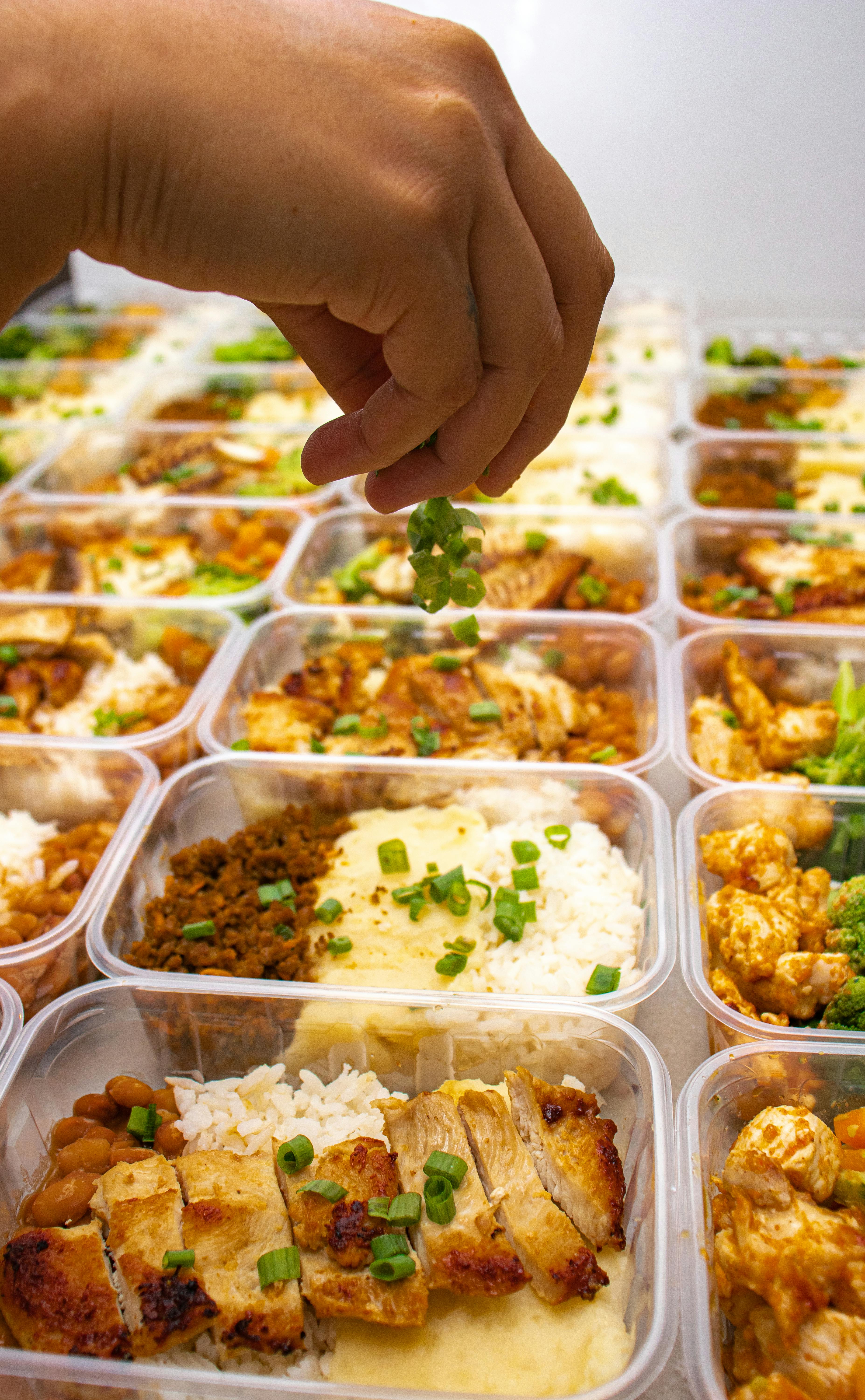
Vacation meal planning works best when it makes the trip lighter, not stricter. A simple plan helps you decide what to cook, what to eat out, what to shop for, and what backup meals will save the day when travel runs long or everyone is too tired to think.
You do not need a perfect menu to make this work. You need a realistic vacation meal plan that matches your lodging, your budget, and the amount of kitchen effort you actually want on the trip.
Most people do not need more structure on vacation. They need less friction. That is the real benefit of vacation meal planning tips: fewer grocery reruns, fewer expensive default meals, and fewer 6 p.m. arguments about whether anyone still has energy to cook.
The current top-ranking results all lean on the same pattern. They tell readers to map out meals before the trip, keep dinners simple, and mix cooking with eating out. That is the right base. A good plan protects the fun parts of vacation by removing low-value decisions.
This is especially true when you are traveling with family or a group. If that is your situation, Family Meal Planning: One Plan, Everyone Happy is a useful companion because the same shared-base idea works well on trips too.
The fastest way to build a bad vacation meal planning template is to choose meals before you decide what your kitchen can actually do. Start with the environment first.
Assume very light prep. Think yogurt, fruit, sandwiches, pre-cut vegetables, rotisserie chicken, microwave rice, and one or two no-cook dinners. If the room has only a mini-fridge and microwave, do not plan a full cooking week.
This is the easiest setup for a balanced vacation meal plan. You can combine a few cooked breakfasts, simple packed lunches, and 3 to 4 dinners built from overlapping ingredients. Keep the recipes easier than your home routine, not harder.
Plan around storage, cleanup, and weather. Fewer ingredients usually win. Foil-pack meals, sandwiches, pasta, tacos, breakfast scrambles, and one-pot dinners are better than anything that creates five bowls and a sink full of dishes.
Treat the trip as a portable-food problem. Shelf-stable snacks, fruit, wraps, protein bars, trail mix, and one reliable cooler system matter more than dinner creativity.
If you are someone who already likes reusable food defaults, How to Build a Default Weekly Menu Template (2026) shows the same logic in a home setting.
Do not plan every breakfast, lunch, and dinner from scratch. Start by dividing vacation meals into four buckets:
A simple split works well for most one-week trips: cook 1 meal a day, assemble 1 to 2 meals, eat out 1 meal, and keep 1 backup option in reserve. That structure prevents overbuying while still leaving room for restaurants and spontaneity.
This is also where many people save the most money. If your grocery plan is loose, you buy too much and still end up ordering takeout. If budget matters, 50 Dollar A Week Healthy Grocery List (US, 2026) is a good reminder that overlap matters more than fancy ingredients.
You do not need a giant spreadsheet. A strong vacation meal planning template usually has just five parts.
Plan this first. Travel days create the worst food decisions because everyone is tired and local options may be unfamiliar. Easy wins include take-and-bake pizza, rotisserie chicken with bagged salad, sandwiches, frozen skillet meals, or pasta with jarred sauce.
Choose breakfasts that require almost no thought: yogurt with fruit and granola, eggs and toast, overnight oats, or bagels with nut butter. Repetition is not a problem on vacation. It is a time saver.
Lunch is where travel schedules get messy. Sandwiches, wraps, pasta salad, snack boxes, fruit, and chopped vegetables work better than anything that depends on everyone being back at the rental at the same time.
Pick dinners with shared ingredients. Good examples are taco bowls, pasta with salad, grilled or baked chicken with potatoes, sheet-pan sausage and vegetables, burgers, quesadillas, or grain bowls.
Keep a shelf-stable or freezer backup even if you think you will not need it. One stormy night, delayed arrival, or overambitious itinerary can wipe out the original plan fast.
When the planning itself starts to feel heavier than the trip, PlanEat AI on the App Store can help turn your dinner count, preferences, and cooking time into a reusable weekly plan with a grouped grocery list, which is much easier than rebuilding the same vacation food system from scratch for every trip.
A useful vacation grocery list is short, flexible, and built around overlap. Think in categories instead of recipes first.
The smartest move is to avoid buying full “vacation self” groceries. Buy for your real appetite and energy. If you usually do not cook elaborate breakfasts at home, vacation is not the time to pretend you will suddenly make pancakes and eggs for eight people every morning.
Vacation kitchens, coolers, beach days, and road trips create more food-safety variables than your normal routine. The CDC recommends the standard clean, separate, cook, and chill approach, and reminds travelers not to leave perishable foods out for too long, especially in heat. For quick checks on storage times, the USDA-backed FoodKeeper app is genuinely useful.
If you are packing cooler meals, picnic lunches, or leftovers, follow the CDC food-safety basics on preventing food poisoning. This is one of the easiest ways to avoid wasted groceries and miserable trip days.
Vacation food does not need to be perfect. It should just be steady enough to keep everyone functioning. The USDA MyPlate guide is a simple reference if you want each meal to include some protein, produce, and a practical carb without turning the trip into a nutrition project.
The point is not the exact menu. It is the structure. Repeat breakfast, keep lunch portable, keep dinners easy, and give yourself one escape hatch every few days.
If you tend to overcomplicate planning once you get home too, Meal Planning Routine That Sticks (2026) helps turn this kind of low-friction thinking into a repeatable weekly habit.
The best vacation meal plan is the one that protects your time, fits your lodging, and leaves enough room for both convenience and fun.
Usually 3 to 7 days before the trip is enough. You want enough time to map meals and bring staples, but not so much time that plans change and the list becomes outdated.
The best easy vacation meals are the ones with low cleanup and shared ingredients: pasta, tacos, wraps, breakfast-for-dinner, sheet-pan meals, sandwiches, and snack-style lunches.
Choose which meals are worth cooking, repeat ingredients on purpose, and plan the first night plus one backup dinner. Most overspending happens when groceries are random and tired takeout becomes the default.
No. A better approach is to plan the framework: arrival night, repeat breakfasts, portable lunches, three easy dinners, and one backup meal. That gives you structure without turning the trip into a strict schedule.
The best vacation meal plan is the one that protects your time, fits your lodging, and leaves enough room for both convenience and fun.