
October 2, 2026
Learn how to build one flexible family meal plan that keeps adults, kids, and picky eaters satisfied without cooking separate dinners, plus a 3 day example, habits, and FAQ.

TL;DR: You do not need to cook separate dinners for every person to keep a family happy. A simple "one plan, many options" structure lets everyone eat from the same base meals while adjusting toppings, sides, and portions. With a bit of prep and clear roles for adults and kids, you can repeat the same framework each week instead of starting from zero.
Cooking separate meals for adults, kids, and picky eaters is one of the fastest paths to burnout. It turns dinner into a restaurant shift instead of a shared routine. Over time it also makes it harder for kids to get used to the foods the rest of the family eats.
A single family meal plan does not mean every plate looks identical. It means you:
This works even better when the structure of each plate is clear. If you are not sure what a balanced plate should look like at different ages, start with the basic ideas in Healthy Eating Basics: Build a Balanced Plate and then adapt for your family.
A practical family plan starts with a pattern, not a list of disconnected recipes. Think in terms of base meals that everyone shares and small levers you can pull for different needs.
For most main meals, aim for the same three building blocks on every plate:
Instead of separate recipes, build flexibility into the edges of the meal:
You are not trying to make one perfect plate. You are trying to make it easy for everyone to assemble a plate that fits their hunger and comfort level without cooking a second dinner.
When the structure is in place, a weekly plan is easier to build. For a more step by step view of how to map this into a full week, it can help to look at example structures in How to Build a Weekly Meal Plan (Examples) and then layer your family preferences on top.
If you prefer not to build this structure in a spreadsheet, you can use PlanEat AI to generate a weekly meal plan based on your goals, dislikes, and time for cooking, then apply this "shared base plus options" idea at the table while you shop from a grouped grocery list.
Below is an example of a three day pattern that uses one plan for everyone with small variations. You can repeat and swap components to cover five or seven days.
Breakfast: oatmeal cooked in milk or a milk alternative.
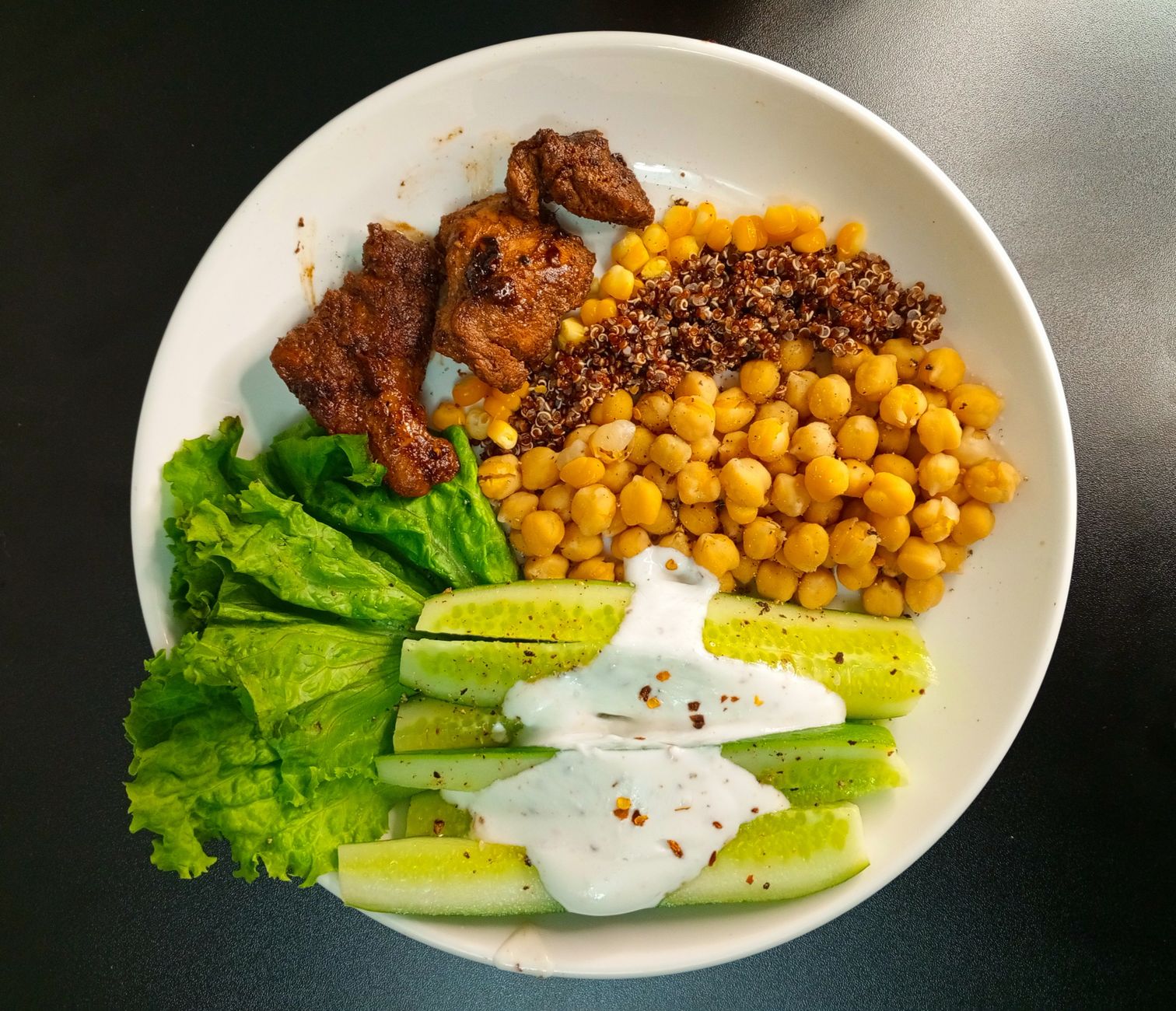
Lunch: build your own grain bowls.
Dinner: sheet pan chicken, potatoes, and carrots.
Breakfast: yogurt parfaits.
Lunch: sandwich and veggie plate.
Dinner: taco night.
Breakfast: scrambled eggs and toast.
Lunch: leftover friendly pasta.
Dinner: baked fish or tofu with rice and vegetables.
You can plug different proteins, vegetables, and grains into the same slots without changing the structure. If you want to see how this kind of pattern can turn into a full week of meals and a grocery list, you can borrow ideas from 7-Day Balanced Meal Plan (With Grocery List) and adapt the recipes to your family.
If this type of three day rotation works for your family, you can save similar patterns as reusable plans in PlanEat AI. The app keeps the backbone of the week and a grouped grocery list, and you swap specific dinners or breakfasts as your schedule and tastes change.
Picky eating is common, especially in younger children. A shared plan can still work if you design the table setup to give some control without redesigning the meal.
Include one or two familiar foods at most dinners such as bread, rice, or a mild fruit or vegetable that your picky eater usually accepts. They do not need to love everything on the table, but they should see something they recognize.
Meals that can be built at the table make it easier to try new foods gradually. Think bowls, tacos, wraps, or pasta where each person can decide how much sauce, vegetables, and toppings they add.
Instead of hiding disliked ingredients inside other foods, serve small visible portions next to familiar ones. A single broccoli floret next to pasta can feel less stressful than mixed into the sauce.
Encourage tasting without forcing. Repeated gentle exposure often works better than arguments over "just one more bite".
If sugar and treats feel like the main friction point with kids or teens, pairing these approaches with ideas from How to Stop Craving Sweets All the Time can help you build a home environment where sweets fit in without taking over.
Even the best structure will fail if it ignores your actual week. A realistic family meal plan respects time, energy, and how your days differ.
Look at the week and mark evenings with sports, lessons, or late work. Those nights get the simplest meals - leftovers, slow cooker dinners, or cold plates that come together in minutes.
Use one block of time to cook a few shared components such as roasted vegetables, a pot of grains, or a batch of protein. Then mix and match them on busy days. For a simple weekend routine that pairs well with a family plan, you can use ideas from 2-Hour Weekend Meal Prep: Cook Once, Eat All Week.
Even younger kids can help set the table, rinse vegetables, or choose tomorrow's vegetable from two options. Older children and teens can take responsibility for one dinner per week with guidance.
Once you find a three to seven day pattern that works, rotate it with small changes instead of writing brand new plans each week. Swap proteins, change sauces, or vary one side dish at a time.
Over time, this makes family meal planning feel like a loop you understand rather than a fresh project every Sunday.
Start with one shared base meal for everyone, then adjust toppings, sides, and portions. Use build your own formats like bowls, tacos, or pasta so kids can customize their plates without you cooking a second main dish.
Keep the same foods on the table but adjust portions, especially for starches and calorie dense extras like dressings and desserts. The person aiming for weight loss can use slightly smaller portions and focus more on vegetables and protein while still eating with everyone else.
Plan meals around safe proteins, grains, and vegetables that everyone can eat, then add separate small items at the table only when needed. For example, you might serve a dairy free base meal and offer cheese on the side for those who tolerate it.
Apps can make it faster to generate weekly meal plans and grocery lists so you spend more time adjusting the plan to your family and less time writing it out. Even if you use an app, it is still helpful to think in terms of shared base meals and optional add ons so you avoid cooking twice.
Build your plan around that reality instead of hoping it will change overnight. Use your lightest day to batch cook a few components or full meals, rely on very simple dinners on the busiest nights, and keep emergency options like eggs, frozen vegetables, and whole grain toast on hand.
Educational content only - not medical advice.
Learn how to build one flexible family meal plan that keeps adults, kids, and picky eaters satisfied without cooking separate dinners, plus a 3 day example, habits, and FAQ.