
October 1, 2026
Use this 1600 calorie meal plan for weight loss as a flexible framework with balanced meals, portion checks, grocery planning, and personalization tips.
A **1600 calorie meal plan for weight loss** can provide structure only when 1,600 calories is an appropriate intake for the individual. It is not a universal weight-loss target. Energy needs vary with age, body size, sex, activity, medications, health conditions, and other factors.
This guide focuses on how to personalize a 1,600-calorie framework for weight-loss planning instead of repeating a fixed seven-day menu. If you need an exact calorie total, use the nutrition information for the specific foods and portions you eat.
**Safety note:** this article is general education for adults. It is not a meal plan for pregnancy, teenagers, people with a current or past eating disorder, or people who need medical nutrition therapy. If you have a chronic condition or medication that affects appetite, blood sugar, fluid balance, or weight, use individualized healthcare guidance.
A **1600 calorie weight loss meal plan** has two separate ideas inside it.
First, 1,600 calories is a daily energy target. Second, weight loss is the intended context. Whether 1,600 calories actually creates an energy deficit depends on the individual.
CDC notes that calorie needs vary by personal factors, and NIDDK emphasizes that successful weight management involves an eating pattern that can be maintained over time.
That means the useful question is not "Is 1,600 calories a weight-loss diet?" The useful question is "Is 1,600 calories appropriate for this person, and can the meal pattern be followed safely and sustainably?"
This article cannot answer the first part for an individual, but it can help organize the second part.
A **balanced 1600 calorie menu** can distribute food across the day in many ways.
One arithmetic example is:
400 + 450 + 500 + 250 = 1,600
This is only a planning split. Someone who prefers a larger dinner could shift calories there. Someone who exercises in the morning may prefer more food earlier.
The quality of the meal also matters. Build around:
Actual calories depend on portions and brands. A generous pour of oil, larger serving of nuts, or different yogurt can change the total significantly.
Instead of prescribing seven fixed days, create a set of meal combinations that can be mixed through the week.
To make these combinations fit a 1,600-calorie target, verify the portions you actually use.
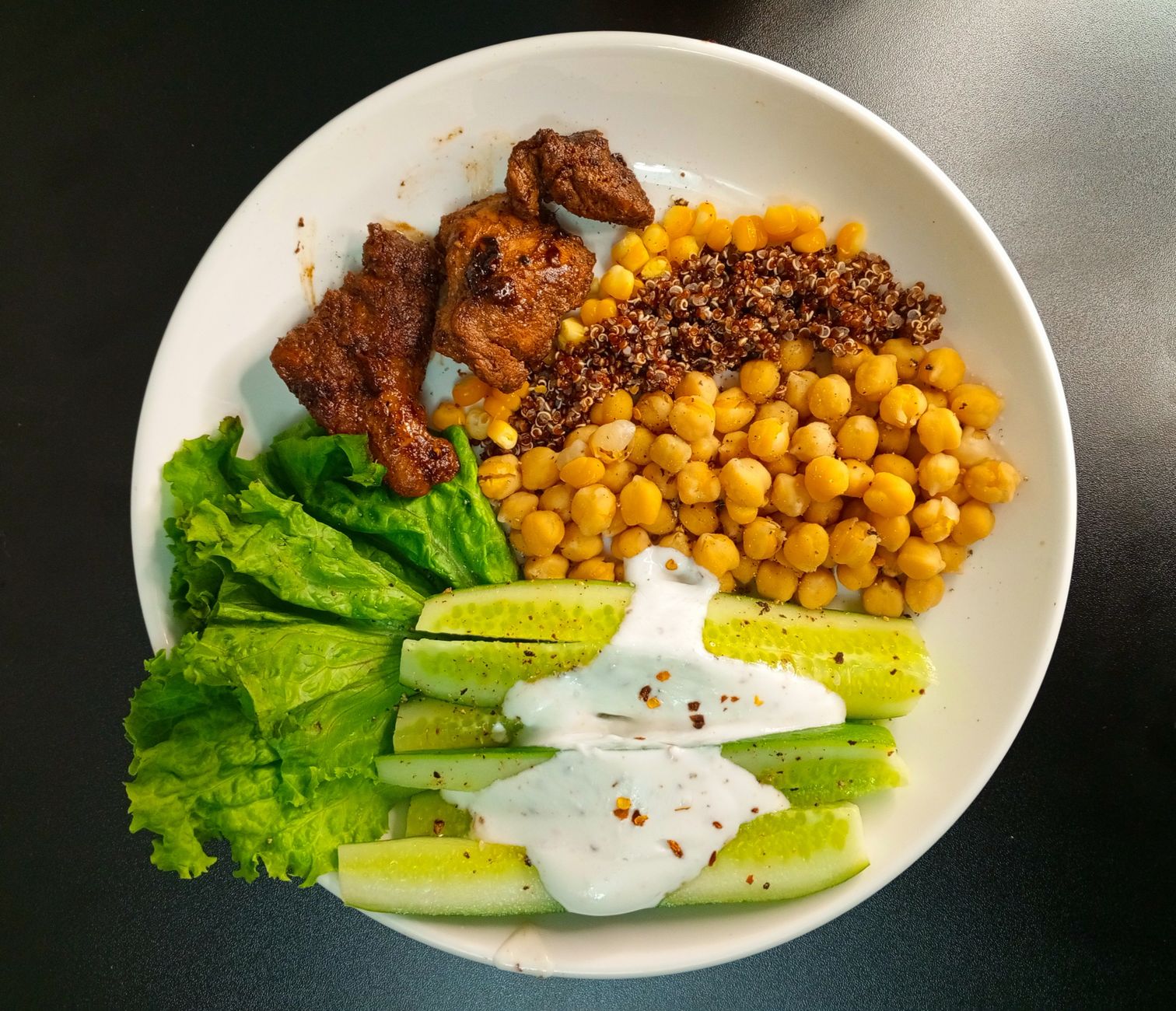
**1600 calorie high protein meals** can emphasize protein-rich foods without turning the entire day into a protein target.
Breakfast might use eggs or Greek yogurt. Lunch can use chicken, tofu, lentils, beans, or fish. Dinner can rotate another protein source. Snacks can include yogurt, cottage cheese, edamame, or other options.
There is no universal protein amount that must accompany a 1,600-calorie plan.
Keep carbohydrates and fats in the plan too. Protein does not replace the need for vegetables, fruit, whole grains, potatoes, healthy fats, and other foods that contribute nutrients and satisfaction.
USDA MyPlate recommends varying protein choices rather than relying on one source.
A useful **1600 calorie meal prep** session can create verified building blocks.
If precise calories matter, measure concentrated ingredients such as oil, nuts, seeds, nut butter, cheese, and sauces.
You do not need to weigh every cucumber slice. Focus precision where it changes the total most.
A flexible **1600 calorie grocery list** might include:
The grocery list does not determine the calorie total. Portions do.
Do not treat 1,600 calories as a rule that must be defended at all costs.
If the plan leaves you persistently hungry, low in energy, unable to support your normal training, preoccupied with food, or struggling with concentration, the target may need review.
If 1,600 calories is above your energy needs, it may not create the deficit you expected. If it is far below your needs, it may be unnecessarily restrictive.
This is why a calorie target should reflect the person rather than being copied from a generic menu.
Weight management also involves more than food. CDC includes physical activity, sleep, and stress management within a broader healthy weight approach.
If planning the week manually feels repetitive, PlanEat AI on the App Store can turn your preferences, goals, and cooking constraints into a weekly meal plan and grocery list.
No. Whether 1,600 calories creates a calorie deficit depends on the individual's energy needs.
Use the Nutrition Facts label or a reliable food composition database for the actual portions and brands you eat.
Yes, but the appropriate protein amount varies. Include protein-rich foods across the day without removing other food groups.
Do not assume you simply need more discipline. Review whether the calorie target and meal structure are appropriate for your needs.
Use this 1600 calorie meal plan for weight loss as a flexible framework with balanced meals, portion checks, grocery planning, and personalization tips.

