
PlanEat article cover
September 23, 2026
Plan a balanced week with this 7-day pescatarian meal plan: easy meals, smart seafood rotation, prep tips, and a practical grocery list for busy days.
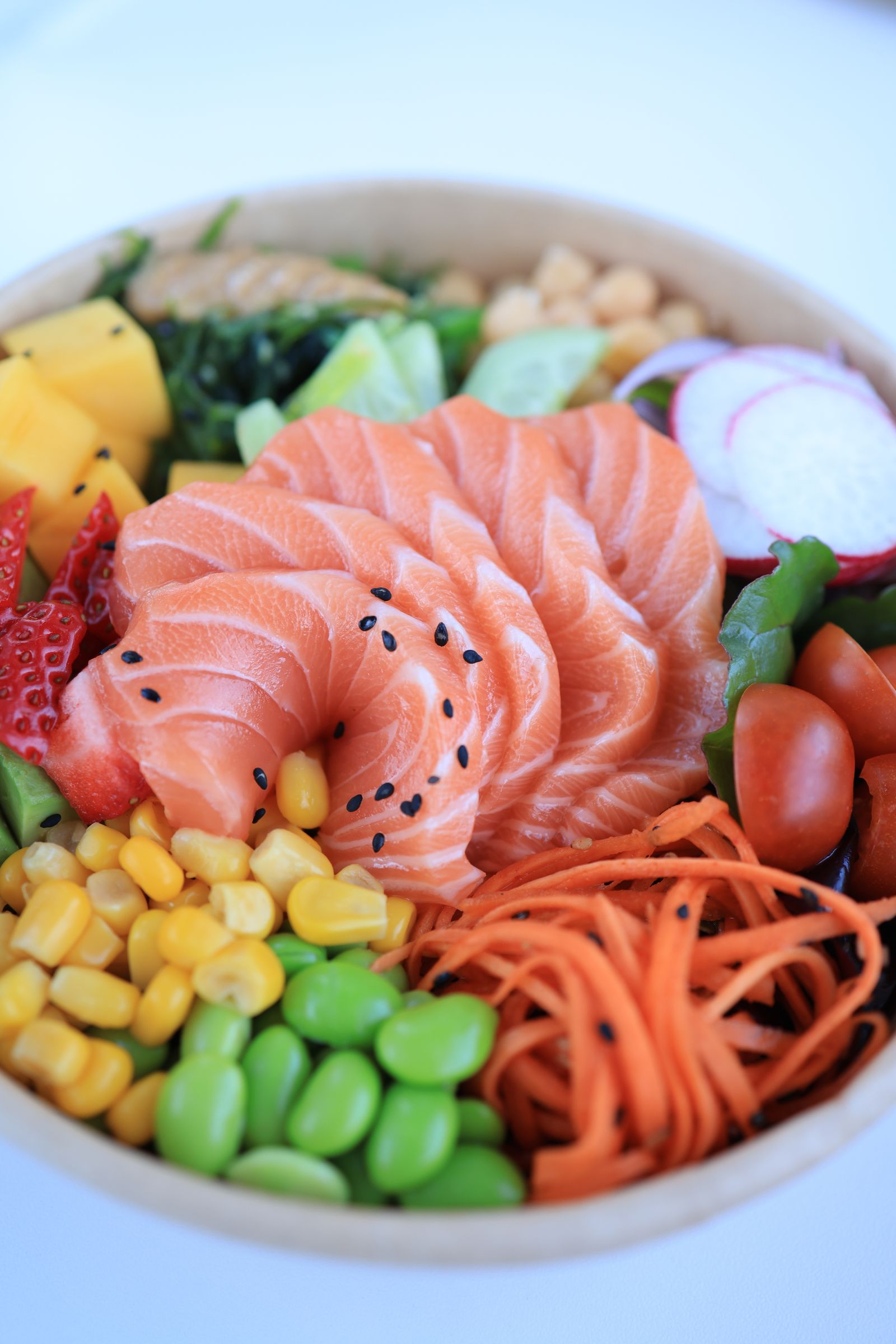
A 7-day pescatarian meal plan works best when it looks like real life: a few dependable seafood meals, a few plant-protein meals, smart leftovers, and one grocery list that does not turn into a side quest. If you want a pescatarian diet meal plan that feels balanced instead of fussy, the simplest version is a one-week structure with easy breakfasts, lunch repeats, low-mercury fish choices, and dinners you can actually cook after a normal workday.
Top-ranking guides for this topic usually agree on the broad idea: include seafood, add whole grains and vegetables, and keep meals balanced. That is correct, but many stop at inspiration. A healthy pescatarian meal plan holds up because it reduces decisions. You are not solving breakfast, lunch, and dinner from scratch 21 different times. You are running one weekly system.
That is especially useful if you like the flexibility of fish but do not want to eat salmon every night or end the week with four unrelated half-used sauces. A strong meal plan for pescatarian eating spreads seafood across the week, gives plant proteins a real job, and plans leftovers on purpose. If you need a simpler planning rhythm before you fill in specific meals, Meal Planning Routine That Sticks (2026) is a practical companion.
Most competitor articles include a daily plan, but they often under-explain the grocery logic. That is the part that keeps the plan affordable. This week uses a short roster of proteins, vegetables, and pantry items so your pescatarian meal prep stays tight rather than aspirational.
If you want the groceries and dinners to stay in the same system, meal and grocery planner content is helpful because it uses the same overlap-first mindset.
Starting with salmon gives the week a high-protein anchor and instantly sets up tomorrow's lunch. It is the kind of first-day structure that a useful pescatarian diet meal plan should provide instead of just handing you seven disconnected dinners.
This is where ingredient overlap starts paying rent. You get variety from the format change, not from buying a completely new cart of groceries every 24 hours.
Canned fish deserves a place in the week because it lowers cost and effort. Many sample plans lean heavily on fresh fillets; real households usually need a cheaper and faster night too.
Plant-protein dinners are what stop the week from becoming seafood cosplay. They also make the overall plan easier on both budget and prep time.
If you want more ways to keep weeknight cooking minimal, How to Meal Plan With Minimal Cooking (2026) fits this exact approach.
Day 6 is the recovery night. A good plan always includes one meal that feels forgiving, because dinner stopped feeling like a small emergency only when the schedule allowed for imperfection.
When you want this kind of structure translated into your own calories, food preferences, and dinner count, Build your weekly plan in PlanEat AI to turn the same weekly logic into a grouped shopping list and personalized menu instead of rebuilding the framework by hand every Sunday.
Competitors usually mention prep, but not always in a way that actually shortens the week. This version keeps prep boring on purpose, because boring execution is what works.
If you routinely lose steam midweek, pairing this article with high-protein weekly meal plan guidance helps you see how protein anchors and repeat breakfasts reduce decision fatigue across different eating styles.
One topic many SERP results mention lightly but do not fully operationalize is seafood rotation. The American Heart Association recommends eating fish, especially fatty fish, as part of a heart-healthy pattern, and the FDA/EPA fish guidance is useful for choosing lower-mercury options. In practice, that means your week works better when salmon, shrimp, trout, sardines, and canned light tuna do most of the heavy lifting instead of relying on large predatory fish over and over.
That is also why this plan uses seafood 2 to 3 times and lets eggs, yogurt, beans, and lentils carry the remaining days. It keeps the week balanced without making every dinner revolve around fish. For general portion balance, the USDA MyPlate Plan, the American Heart Association's advice on fish and omega-3s, and the FDA's advice about eating fish are the cleanest references.
The best pescatarian week is not the fanciest one. It is the one that spreads seafood sensibly, reuses ingredients on purpose, and makes Tuesday dinner feel manageable instead of dramatic.
You usually rotate seafood meals with plant-protein meals, then keep breakfasts and lunches simple with yogurt, eggs, oats, beans, rice bowls, soups, and leftovers.
For most people, using fish 2 to 3 times in the week is practical. It gives you variety and omega-3-rich meals without making the entire plan depend on seafood every night.
Yes. Fish, shrimp, Greek yogurt, eggs, lentils, beans, tofu, and higher-protein grains make it straightforward to cover protein across the day.
Repeat breakfast, cook one grain, prep chopped vegetables, boil eggs, and plan dinners that intentionally become the next day's lunch.
Salmon, trout, sardines, shrimp, and canned light tuna are common picks because they are versatile and usually easier to fit into a low-mercury weekly rotation.
The best pescatarian week is not the fanciest one. It is the one that spreads seafood sensibly, reuses ingredients on purpose, and makes Tuesday dinner feel manageable instead of dramatic.