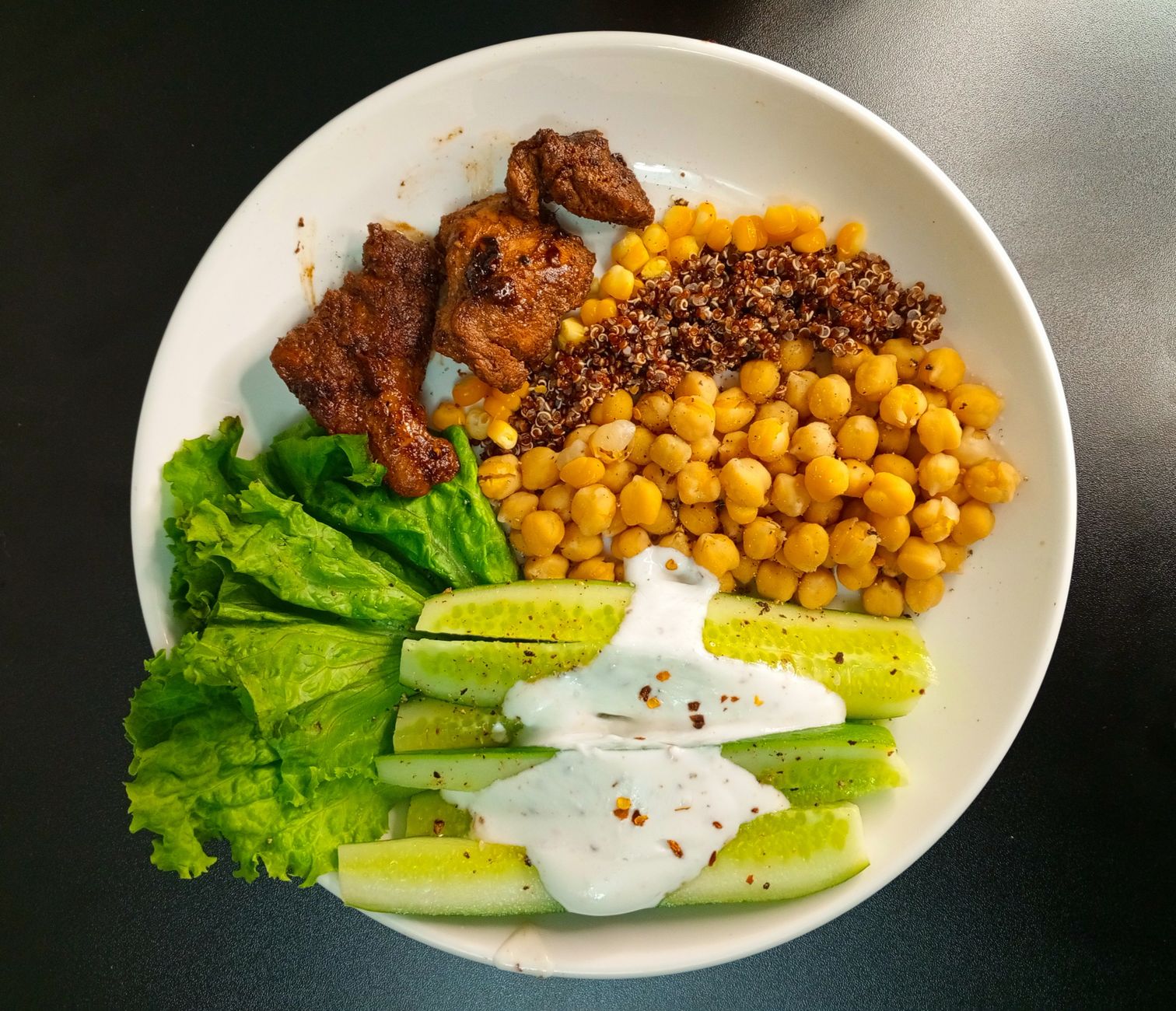

October 2, 2026
Plan a 50 dollar a week healthy grocery list with clear package sizes, a checked sample budget, meal portions, pantry costs, storage tips, and flexible swaps.
A 50 dollar a week healthy grocery list starts with local prices, the meals you will eat, and what is already in your pantry. The sample below uses package sizes, a checked budget, and portioned meal templates for one adult. It is an illustrative worksheet, not a promise that $50 buys enough suitable food for everyone in every US location.
Start with the number of meals you expect to eat at home. A healthy grocery list for one person should not assume seven home dinners if you will be away for three nights. Check the refrigerator, freezer, and pantry, then write the missing ingredients and quantities. EPA guidance on preventing wasted food recommends planning around what you already have and buying quantities you expect to use.
Keep two totals: the checkout bill for packages purchased today and the cost of the portions you use. They answer different questions. A bag of rice bought this week may serve several weeks; rice from last week does not make today’s meal cost zero. Include delivery fees, transportation, and taxes where they apply to your actual budget.
Prices below are deliberately illustrative budget allowances, not verified current prices or national averages. They show how to build a worksheet you can replace with your own store prices. If a package is unavailable at the allowance, change the item or the budget before shopping. The quantities and cost addition are the parts verified here.
| Ingredient | Package to price | Illustrative allowance |
|---|---|---|
| Oats | 42 oz (about 1190 g) | $4.00 |
| Rice | 2 lb (about 907 g) | $2.00 |
| Dry lentils | 1 lb (about 454 g) | $1.75 |
| Eggs | 18 count | $4.50 |
| Milk | 1 US gallon (about 3.79 L) | $4.00 |
| Whole-grain bread | 20 oz (about 567 g) | $2.50 |
| Peanut butter | 16 oz (about 454 g) | $2.50 |
| Potatoes | 3 lb (about 1360 g) | $3.00 |
| Frozen mixed vegetables | 2 lb (about 907 g) | $3.00 |
| Frozen spinach | 1 lb (about 454 g) | $1.50 |
| Carrots | 1 lb (about 454 g) | $1.00 |
| Canned tomatoes | 28 oz (about 794 g) | $1.75 |
| Bananas | 7 medium | $2.00 |
| Apples | 3 lb (about 1360 g) | $4.00 |
| Onions | 1 lb (about 454 g) | $1.00 |
| Cooking oil | 16.9 fl oz (about 500 mL) | $4.00 |
| Garlic | 1 bulb | $0.75 |
| Basic seasoning | 1 small package | $1.25 |
| Basket total | All listed packages | $44.50 |
| Remaining budget | Price differences or extra food | $5.50 |
Do not add coffee, sauces, fruit, or delivery charges without accounting for them. The remaining $5.50 is a buffer, not a claim that every extra will fit. If you already own oil and seasoning, your checkout bill may be lower, while those ingredients still have a consumed cost. Budget grocery shopping works best when those two ideas stay separate.
The following is one repeatable daily template using these foods for seven days. It is not a measured calorie target or a claim of complete nutritional adequacy. Increase portions or add food as needed. Several packages have unused food available for larger servings, but you may still need to buy more or choose different foods.
| Meal | One-day portion example | Preparation |
|---|---|---|
| Breakfast | 60 g dry oats; 200 mL milk; 1 banana; 20 g peanut butter | Cook the oats with milk and water as needed; add banana and peanut butter. |
| Lunch | 50 g dry lentils; 70 g dry rice; 100 g canned tomatoes; 50 g onion; 60 g spinach; 5 g oil | Cook lentils and rice according to their packages. Simmer tomatoes, onion, and spinach with the measured oil. |
| Dinner | 2 eggs; 70 g bread; 180 g raw potato; 120 g mixed vegetables; 60 g carrot; 5 g oil | Cook eggs and vegetables; roast or boil the potato and serve bread alongside. |
| Snack option | 100 g apple; 200 mL milk; 20 g peanut butter | Eat separately or move these foods into meals. |
Multiply each daily portion by seven: 420 g oats, 2800 mL milk, 7 bananas, 280 g peanut butter, 350 g dry lentils, 490 g dry rice, 700 g tomatoes, 350 g onion, 420 g spinach, 14 eggs, 490 g bread, 1260 g potato, 840 g mixed vegetables, 420 g carrots, 700 g apple, and 70 g oil. These totals fit the stated package quantities before trimming or preparation loss; choose enough edible produce after peel and cores.
The unused oats, rice, lentils, peanut butter, milk, and apples are not waste automatically. Use more when you need it, plan the next week around what remains, or store suitable items safely. The examples do not establish everyone’s portion needs. The NIDDK healthy-eating guide can help you think about a varied overall eating pattern rather than only the smallest bill.
| Day | Lunch variation | Dinner variation |
|---|---|---|
| 1 | Tomato lentils over rice | Eggs with roasted potatoes and mixed vegetables |
| 2 | Lentil, spinach, and rice bowl | Potato and vegetable omelet with toast |
| 3 | Thicker lentil-tomato stew with rice | Eggs, vegetable hash, and toast |
| 4 | Fresh second batch of lentils and rice | Boiled potato, eggs, vegetables, and bread |
| 5 | Lentil rice bowl with garlic | Spinach-free vegetable scramble and potato |
| 6 | Tomato lentil soup with rice served separately | Roasted potato and egg plate with vegetables |
| 7 | Remaining safely stored lentils and rice | Egg-and-vegetable toast with potato |
Use the same amounts and basic seasoning; adjust water and cooking method to change the texture. Spinach remains in lunch portions rather than being counted again at dinner. This is ingredient reuse, not seven different shopping lists. For cheap healthy meals you will actually enjoy, change a disliked ingredient before buying a whole package.
If turning groceries into meals is where the plan gets stuck, try PlanEat AI on the App Store for help planning around your preferences. Check the resulting grocery quantities against your actual shelf prices.
Follow USDA leftover safety guidance: use shallow containers, refrigerate within two hours (one hour above 90°F/32°C), keep the refrigerator at 40°F/about 4°C or below, and use refrigerated leftovers within three to four days. Freeze later portions promptly. Reheat cooked leftovers to 165°F/74°C throughout; count storage time from the original cooking date.
For more cost examples, read the grocery savings guide. The three-day menu offers a shorter start, while meal kits versus meal planning explains why checkout cost and consumed cost should be compared separately. A budget is a constraint to work with, not a personal failure if local prices make it unrealistic.
No. The dollar amounts are illustrative purchasing allowances, not a live Walmart, Aldi, or national price quote. Replace each amount with your local shelf or checkout price before shopping.
No. The sample includes an allowance for an oil bottle, garlic, and a basic seasoning package. Use what you already have, but distinguish this week’s checkout cost from the amount of an older purchase you consume.
No. The portions are an organizing example, not a verified personal nutrition prescription. Add or change food for your own needs; extra ingredients may require a larger budget.
Do not assume so. The menu example is for one adult. Scale portions and price the actual additional packages; doubling ingredient use does not always double the checkout total.
Yes. Use a suitable tolerated alternative and check its ingredient and nutrition label. Price the replacement package and recalculate the basket; alternatives are not automatically equivalent.
Do not refrigerate a whole week of cooked meals. Prepare a shorter batch, cook again midweek, or freeze later portions promptly and follow safe thawing and reheating guidance.
Use the $50 figure as a planning constraint, not proof that every person can meet every nutritional need at that price. Check local package prices, count pantry costs honestly, and buy ingredients you know how to use.