
September 22, 2026
Build a 7 day meal plan for runners with practical pre-run meals, recovery-friendly options, hydration habits, and an easy weekly grocery strategy for training.
A 7 day meal plan for runners should support your training schedule without turning eating into another complicated training metric. For most recreational runners, a useful starting point is regular meals that combine carbohydrate-rich foods, protein sources, vegetables or fruit, and fats, with timing adjusted around runs.
Carbohydrate-containing foods are especially relevant to physical activity because carbohydrates provide glucose that the body can use for energy. Hydration also matters before, during, and after physical activity. Individual needs vary substantially depending on training volume, body size, weather, run duration, and other factors, so this template does not prescribe calories or fixed portion sizes.
This sample running meal plan assumes a mix of easy runs, harder sessions, and rest or lighter days. Rearrange the days to match your actual training week.
Breakfast: Oatmeal with banana, Greek yogurt, berries, and nuts.
Lunch: Chicken or tofu rice bowl with vegetables and avocado.
Pre-run snack if needed: Banana or toast with a thin layer of nut butter.
Dinner: Salmon, potatoes, and roasted vegetables.
Breakfast: Eggs, whole-grain toast, fruit, and yogurt.
Lunch: Leftover salmon and potato bowl with greens.
Snack: Yogurt with fruit and oats.
Dinner: Turkey, lentil, or bean chili with rice and vegetables.
Breakfast: Overnight oats with banana, chia seeds, and milk.
Lunch: Chili leftovers with rice.
Pre-run snack: Toast with jam, banana, or another familiar carbohydrate-rich option.
Dinner: Pasta with chicken, tofu, or white beans, tomato sauce, and spinach.
Breakfast: Greek yogurt, granola or oats, berries, and seeds.
Lunch: Pasta leftovers with vegetables.
Snack: Fruit and nuts.
Dinner: Chicken or tofu stir-fry with rice, broccoli, carrots, and mushrooms.
Breakfast: Oatmeal with fruit and peanut butter.
Lunch: Stir-fry leftovers.
Pre-run snack if needed: Banana and toast.
Dinner: Fish tacos or black bean tacos with rice, cabbage, avocado, and salsa.
Breakfast: Eggs with potatoes, toast, and fruit.
Lunch: Taco bowl using leftover rice and fillings.
Post-run meal: Adjust lunch timing if this follows a longer run.
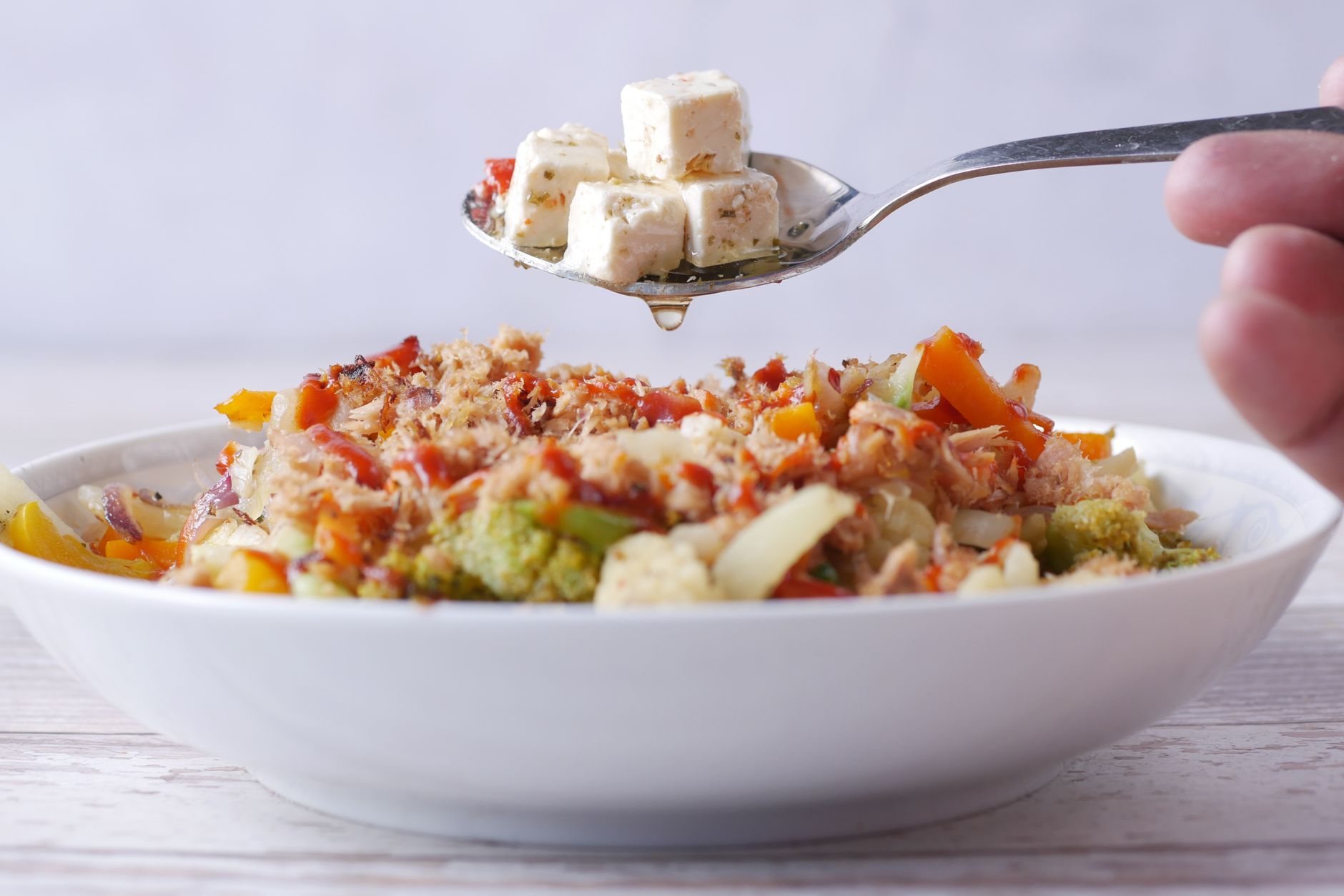
Dinner: Couscous or quinoa bowl with chickpeas, roasted vegetables, feta, and olive oil.
Breakfast: Yogurt and oats with banana and berries.
Lunch: Chickpea grain bowl leftovers.
Dinner: Chicken, tofu, or bean curry with rice and mixed vegetables.
Snack as needed: Fruit, yogurt, toast, nuts, or hummus with crackers.
The best meals for runners are not necessarily specialized recipes. Familiar foods that are practical, well tolerated, and easy to fit around training can be more useful than creating a separate "runner menu."
Meal timing depends partly on how much time you have before running.
Useful pre run meal ideas can include oatmeal with banana, toast with jam, a banana, cereal with milk, rice with eggs, or another familiar carbohydrate-containing meal. Closer to the run, many people prefer a smaller and simpler option rather than a large mixed meal.
Avoid experimenting with unfamiliar foods immediately before an important workout or race. Tolerance is individual, so training days are a better time to learn what sits comfortably.
For post run meal ideas, think in terms of a complete meal rather than a special recovery product. Examples include:
NCAA sports nutrition resources emphasize fueling, recovery, and hydration as core parts of athlete nutrition. Recreational runners can apply the same basic principle without copying an elite athlete's exact quantities.
A reusable runner grocery list might include:
The advantage of this list is flexibility. Rice can accompany curry, stir-fry, tacos, or a simple protein bowl. Bananas can work at breakfast or before a run. Yogurt can become breakfast, a snack, or part of a quick recovery meal.
Your hardest sessions do not always occur on the same days, so the meal plan should move with them.
Before a longer or demanding run, make sure you have foods you already know you tolerate. After training, avoid letting a complicated recipe become the reason you delay eating for hours. Leftovers can be particularly useful on high-volume training days.
Hydration also needs context. NCAA guidance states that adequate hydration before, during, and after physical activity is important for safe participation in sports. Your actual fluid needs vary with factors such as temperature, humidity, sweat rate, exercise duration, and intensity.
If you train for long distances, have unusually high training volume, struggle to fuel consistently, or have specific nutrition concerns, individualized guidance from a qualified sports dietitian can be more appropriate than a generic weekly template.
A running schedule already creates enough moving pieces. PlanEat AI can be a practical way to turn your preferences, goals, and cooking constraints into a weekly meal plan and grocery list: PlanEat">https://apps.apple.com/app/planeat-ai-meal-planner/id6745792604">PlanEat AI on the App Store
It depends on run duration, intensity, timing, and individual tolerance. For a short run, some people prefer little or no food beforehand, while others do better with a familiar option such as banana, toast, or oatmeal.
Carbohydrate-containing foods provide glucose that supports physical activity. Sources can include oats, rice, potatoes, pasta, fruit, bread, beans, and whole grains.
Not necessarily. A normal meal that provides carbohydrate, protein, and fluids can often fit the same practical purpose.
It can. Longer or more demanding sessions may require more deliberate attention to food and fluid timing. Use foods you have already tested during training rather than making major changes immediately before a key event.
Build a 7 day meal plan for runners with practical pre-run meals, recovery-friendly options, hydration habits, and an easy weekly grocery strategy for training.