
September 27, 2026
Explore an animal-based diet meal plan with a balanced approach, practical meal ideas, nutrient variety, grocery planning, and important dietary tradeoffs.
An animal-based diet meal plan does not have one standardized definition. Online versions range from simply prioritizing animal-derived protein foods to highly restrictive patterns built almost entirely around meat, eggs, and dairy. Because there is no single authoritative "animal-based diet," it is important to define what you mean before building a weekly menu.
This guide uses a less restrictive interpretation: animal foods can be prominent, while vegetables, fruit, whole grains, legumes, and other plant foods can remain part of the diet. That makes it easier to build variety and align the week with broader evidence-based dietary guidance.
This animal based weekly menu is intentionally broader than a meat-only or carnivore diet.
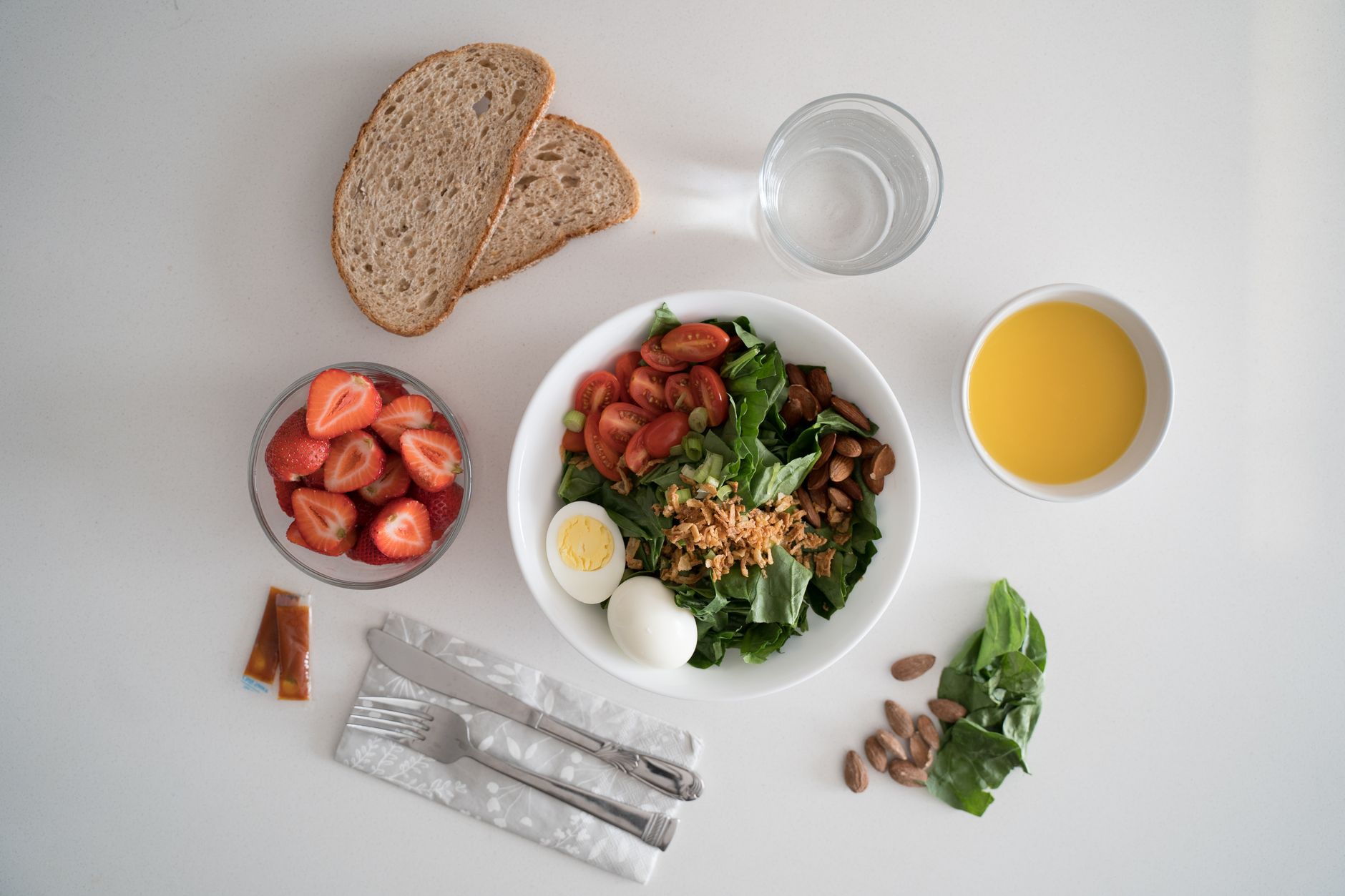
Breakfast: Eggs, whole-grain toast, fruit, and plain yogurt.
Lunch: Chicken rice bowl with vegetables and avocado.
Dinner: Salmon with potatoes and broccoli.
Snack: Yogurt with berries and nuts.
Breakfast: Oatmeal with milk or yogurt, banana, and seeds.
Lunch: Leftover salmon with potatoes and greens.
Dinner: Lean beef or lentil-beef combination with rice and mixed vegetables.
Snack: Fruit and cheese or yogurt.
Breakfast: Vegetable omelet with toast.
Lunch: Leftover beef and rice bowl.
Dinner: Chicken with roasted potatoes, carrots, and salad.
Snack: Yogurt and fruit.
Breakfast: Greek yogurt with oats, berries, and walnuts.
Lunch: Chicken wrap with vegetables.
Dinner: White fish with rice, spinach, and tomato salad.
Snack: Fruit with nuts.
Breakfast: Eggs, avocado, toast, and fruit.
Lunch: Fish and rice bowl using dinner leftovers.
Dinner: Turkey or chicken meatballs with whole-wheat pasta and tomato sauce.
Snack: Plain yogurt.
Breakfast: Oatmeal with yogurt, fruit, and nut butter.
Lunch: Leftover meatball pasta with salad.
Dinner: Chicken or lean beef tacos with cabbage, tomatoes, avocado, and beans.
Snack: Fruit and cheese.
Breakfast: Eggs with potatoes and vegetables.
Lunch: Taco bowl with leftover ingredients.
Dinner: Salmon, chicken, or tofu with rice and roasted vegetables.
Snack: Yogurt with fruit.
This animal based meal plan still contains plant foods because an "animal based" label does not require excluding them unless someone has chosen a more restrictive interpretation.
An animal based diet grocery list for the sample week might include:
USDA MyPlate identifies seafood, meat, poultry, eggs, beans, peas, lentils, nuts, seeds, and soy foods as part of the broader protein foods group. It also recommends variety among protein choices.
That variety is useful even when your personal preference leans toward animal foods.
A common planning trap is making every breakfast eggs and nothing else.
Rotate several animal based breakfast ideas instead:
This gives you different textures and ingredient combinations while maintaining animal-derived foods as prominent components.
An animal focused diet can also vary the type of animal foods used. Fish, poultry, eggs, yogurt, and lean meats have different nutrient profiles, so relying on one food for nearly every meal reduces variety.
Highly restrictive interpretations deserve more caution.
Many animal foods, including fatty cuts of meat, butter, full-fat dairy, and some processed meats, can contribute substantial saturated fat. The American Heart Association recommends limiting saturated fat and replacing some sources with foods containing unsaturated fats.
The current Dietary Guidelines for Americans also emphasize a broader range of nutrient-dense foods, including vegetables, fruits, healthy fats, and whole grains alongside protein and dairy.
For that reason, this article does not present an all-meat plan as a generally appropriate default.
If you want to exclude entire food groups for a prolonged period, especially because of a health condition or specific nutrition concern, personalized advice from a qualified healthcare professional or registered dietitian is more appropriate than a generic online menu.
If you want your plan to prioritize certain proteins while still reflecting your preferences and cooking routine, PlanEat AI can be a practical way to turn your preferences, goals, and cooking constraints into a weekly meal plan and grocery list: PlanEat">https://apps.apple.com/app/planeat-ai-meal-planner/id6745792604">PlanEat AI on the App Store
There is no universally standardized definition. Many versions emphasize meat, fish, eggs, and dairy, while rules around fruit, vegetables, grains, and legumes vary significantly.
Not necessarily. Carnivore diets generally involve much stricter exclusion of plant foods. "Animal-based" is used more broadly and does not have one formal definition.
Yes, under a less restrictive interpretation. This guide deliberately retains plant foods for variety and practicality.
No. If you prefer an animal-focused eating pattern, you can rotate fish, poultry, eggs, dairy, lean meat, and plant protein foods rather than relying on red meat for every meal.
Explore an animal-based diet meal plan with a balanced approach, practical meal ideas, nutrient variety, grocery planning, and important dietary tradeoffs.