
October 2, 2026
Why obesity rates keep rising in 2026, plus the biggest drivers behind the trend and practical ways to build a healthier weekly routine.
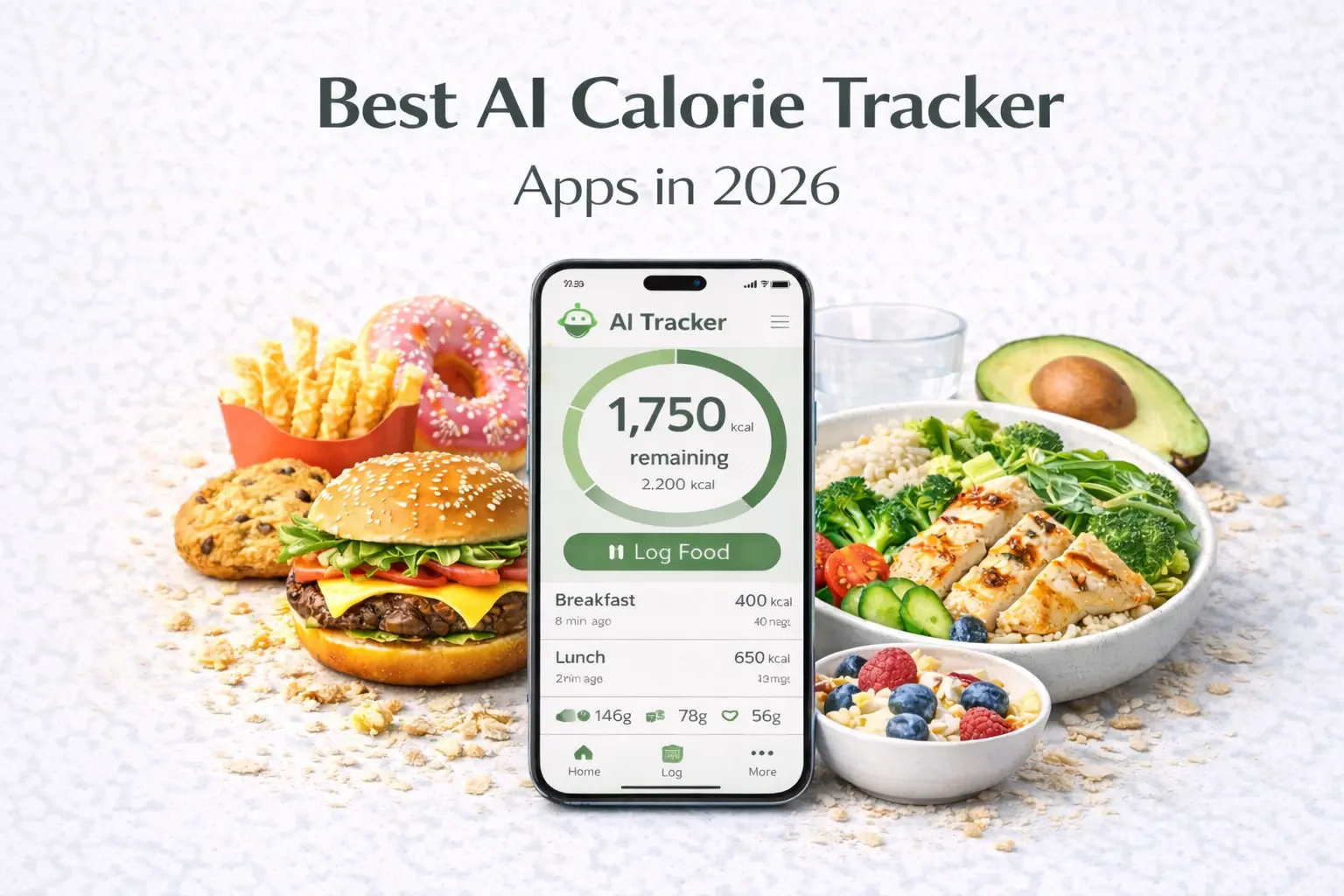
TL;DR: The best AI calorie tracker apps in 2026 make nutrition easier, faster, and more realistic to manage. Instead of forcing users to log every detail manually, the strongest apps now focus on automation, simplicity, and practical guidance.
Research shows that consistent food tracking can improve nutrition awareness and long-term health outcomes, but only when the process is simple enough to maintain. Studies on digital nutrition tools have found that ease of use and lower tracking burden are key factors in helping people stay engaged over time.
Calorie tracking is no longer just about entering every ingredient into a food diary.
Today’s users want tools that reduce friction, not create more of it. For many people, especially those who feel overwhelmed by strict diet plans, expensive nutrition coaching, or time-consuming logging, AI-powered apps offer a more practical way to stay consistent.
The best calorie tracker apps in 2026 now focus on:
Welling earns the top spot by making calorie and nutrition tracking much easier to maintain.
As an AI calorie tracker, Welling is uniquely designed to reduce the friction that makes traditional food logging hard to sustain. Instead of manually searching and entering every meal, it uses a unique chat interface that users can log food through by typing what they ate or by tracking calories from food photos. It acts like a coach that makes calorie tracking as easy as texting a friend. This removes much of the friction that causes people to stop tracking in the first place.
Users has said they like Welling most for:
Welling is especially useful for users who want better food awareness and nutrition support without the cost or rigidity of working constantly with a nutritionist or personal trainer.
MyFitnessPal remains one of the most established calorie trackers for users who want more detailed control. It’s great for those who need to track to the precise calorie and gram.
Its strengths include:
It’s a strong option for data-driven users, though it can feel more manual and demanding than newer AI-first tools.
Lose It! is a solid option for users who want calorie tracking in a more approachable format.
It works well for:
It is generally easier to use than some traditional trackers, though it still relies more heavily on manual input.
Noom takes a psychology-first approach, focusing more on habits and food behavior than pure calorie numbers.
Its main strengths include:
It’s a better fit for users who want mindset support alongside tracking.
Fitia is a good fit for users who want a simpler and less intimidating tracking experience.
It’s especially useful for people looking for:
For beginners or users who want a more casual tracking routine, that simplicity can be a real advantage.
The best apps today do more than count calories. They reduce mental load and help users stay consistent by providing guidance and personalized meal planning.
What matters most now is:
Apps that simplify food tracking tend to be more useful than those that make healthy eating feel like a full-time task.
The best option is usually the one that makes tracking simple enough to stay consistent with.
For many users yes, especially when they reduce manual logging and improve ease of use.
Not fully, but it can offer affordable day-to-day support and meal awareness
Look for simple logging, personalized guidance, and realistic features you can actually use consistently
Educational content only, not medical advice.
Why obesity rates keep rising in 2026, plus the biggest drivers behind the trend and practical ways to build a healthier weekly routine.