
September 25, 2026
Build a cheap vegan meal plan with affordable staples, protein-rich meals, smart leftovers, easy meal prep, and a flexible grocery list for seven days.
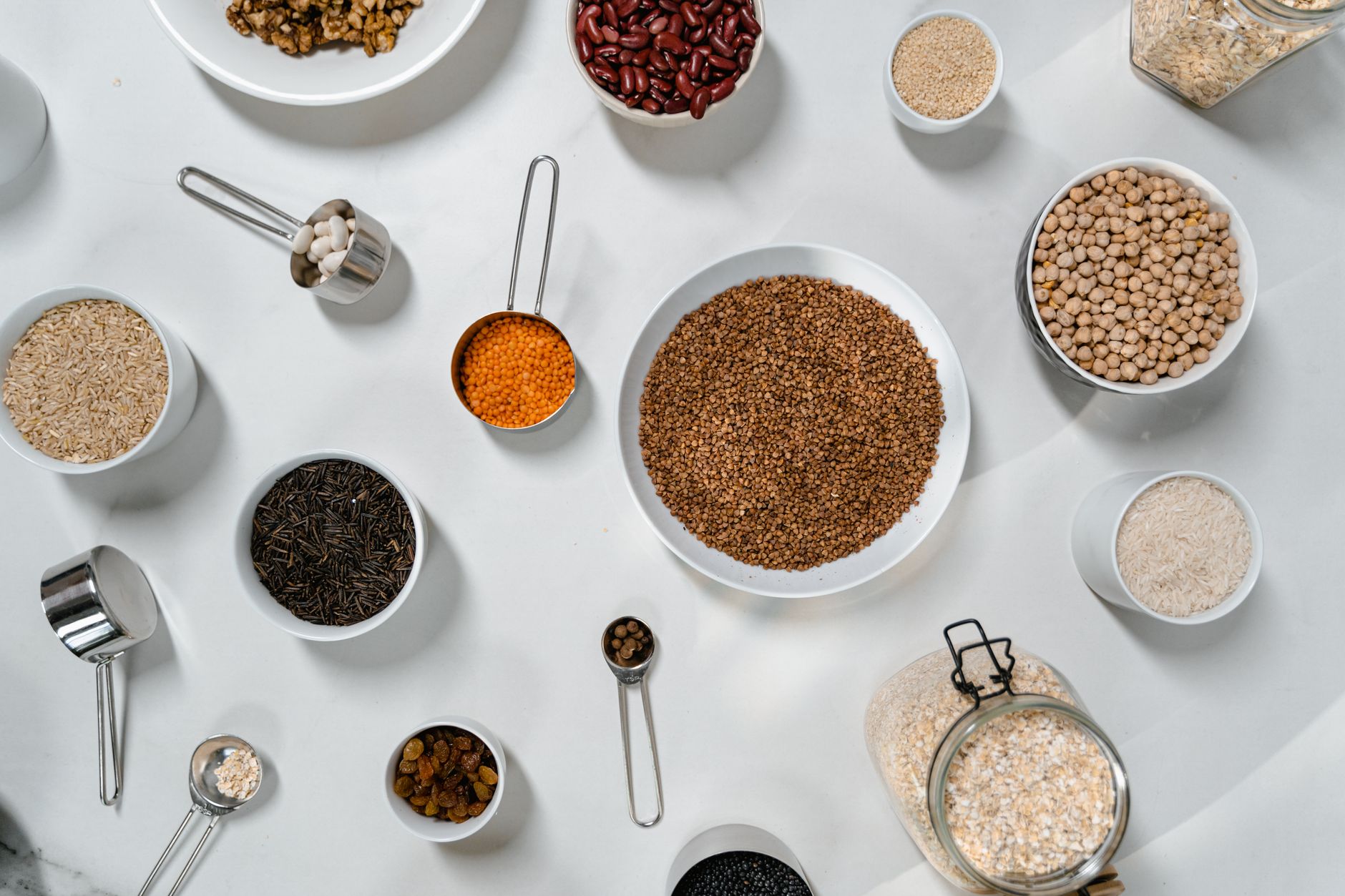
A **cheap vegan meal plan** does not need specialty meat substitutes, expensive powders, or a different recipe every day. The most practical approach is to build the week around low-cost staples such as oats, rice, lentils, beans, potatoes, pasta, frozen vegetables, seasonal produce, tofu when affordable, and simple sauces.
Prices vary by store and location, so this guide avoids pretending there is one universal weekly total. Instead, it focuses on flexible ingredients that can stretch across several meals and reduce food waste.
A **budget vegan meal plan** becomes much easier when the grocery list starts with foods that can serve several purposes.
Rice can become curry, stir-fry, burrito bowls, and leftovers. Lentils can become soup, curry, taco filling, or pasta sauce. Chickpeas can go into wraps, bowls, salads, or stews. Oats can cover breakfast several days in a row.
USDA MyPlate recommends checking what you already have before shopping and writing down planned meals so existing ingredients are used first. That matters on a vegan plan because pantry staples can accumulate quickly if you keep buying another can of beans or another bag of rice without checking what is already available.
For protein variety, use a mix of beans, lentils, chickpeas, tofu, soy foods, nuts, seeds, and other foods that fit your budget and preferences.
This **7 day cheap vegan meal plan** is designed around ingredient overlap rather than seven unique shopping lists.
Breakfast: Oatmeal with banana, peanut butter, and cinnamon.
Lunch: Chickpea wrap with cabbage, carrots, and hummus or a simple tahini dressing.
Dinner: Lentil tomato curry with rice and frozen spinach. Make extra for lunch.
Breakfast: Overnight oats with fortified plant milk, banana, and chia seeds if available.
Lunch: Leftover lentil curry and rice.
Dinner: Tofu or bean stir-fry with frozen mixed vegetables and rice.
Breakfast: Oatmeal with apple or another seasonal fruit and peanut butter.
Lunch: Leftover stir-fry bowl.
Dinner: Pasta with tomato sauce, white beans, spinach, and garlic. Cook two portions.
Breakfast: Toast with peanut butter and banana, plus fortified plant milk if used.
Lunch: Leftover bean pasta.
Dinner: Black bean tacos with cabbage, salsa, corn, and rice.
Breakfast: Oatmeal with fruit, seeds, or peanut butter.
Lunch: Black bean rice bowl using taco leftovers.
Dinner: Baked potatoes topped with chickpeas or beans, vegetables, and a simple tahini or hummus sauce.
Breakfast: Overnight oats with fortified plant milk and fruit.
Lunch: Leftover loaded potato ingredients in a bowl.
Dinner: Lentil and vegetable soup with bread or toast. Make extra.
Breakfast: Oatmeal with the remaining fruit and nut or seed butter.
Lunch: Leftover lentil soup.
Dinner: Fried rice with leftover rice, frozen vegetables, tofu or beans, and a simple sauce.
These **cheap vegan meals** use a relatively small set of groceries in different formats. The goal is to reduce the number of ingredients that appear only once.
A flexible **vegan grocery list on a budget** might include:
Do not buy every optional item. If tahini is expensive, use hummus or a simple lemon-oil dressing. If tofu is costly, make more lentil and bean meals that week.
Good **affordable vegan meal prep** is about preparing flexible components, not filling a refrigerator with seven identical boxes.
Try this:
A cabbage is useful because it lasts longer than many delicate greens and can work raw or cooked. Frozen spinach and mixed vegetables can help reduce spoilage. Canned beans are convenient when you do not have time to cook dried beans.
Look at the plan again before your second grocery trip. If you have enough rice, lentils, and vegetables left for two meals, use them instead of buying ingredients for another recipe.
Vegan protein does not have to come from highly processed substitutes. USDA MyPlate includes beans, peas, lentils, nuts, seeds, and soy foods in the protein foods group.
For example, breakfast can include peanut butter and fortified soy milk. Lunch can use chickpeas or black beans. Dinner can use lentils, tofu, beans, or edamame if it fits the budget.
Combining different foods through the week is more practical than trying to make every meal unusually high in protein. A bean and rice bowl, lentil pasta sauce, tofu stir-fry, and chickpea wrap all contribute differently.
If you have specific athletic or medical nutrition needs, a generic budget plan may not be enough. Use individualized guidance when precision is important.
Budget planning should not push essential nutrition out of the conversation.
The NIH Office of Dietary Supplements states that plant foods do not naturally contain vitamin B12 unless they are fortified. People who eat little or no animal foods need to plan reliable sources from fortified foods or supplements as appropriate.
Check the labels of plant milks, cereals, nutritional yeast, or other fortified foods because the amount of B12 varies. Do not assume every plant-based product is fortified.
This is not a reason to make vegan eating complicated. It is simply one nutrient that deserves deliberate planning rather than guesswork.
Budget food becomes repetitive when the ingredients stay the same and the format never changes.
Use the same lentils in curry one week and soup the next. Turn beans into tacos, bowls, pasta sauce, or baked potato toppings. Change rice bowls with salsa, tahini, curry spices, or a simple soy-ginger sauce.
Texture helps too. Add shredded cabbage, roasted chickpeas, toasted seeds, or raw carrots where appropriate.
You do not need a large condiment collection. Two or three versatile sauces plus basic spices can make the same staple foods feel different.
If planning the week manually feels repetitive, PlanEat AI on the App Store can turn your preferences, goals, and cooking constraints into a weekly meal plan and grocery list.
Prices vary, but beans, lentils, peas, peanut butter, and some soy foods can be budget-friendly sources. Compare local prices and choose several options rather than relying on one food.
Yes. Canned beans are convenient and can reduce cooking time. Dried beans may cost less per serving in some places, but they require more preparation.
People who eat little or no animal food need to plan reliable vitamin B12 sources. Fortified foods and supplements can provide B12, but amounts vary, so check labels and appropriate guidance.
Change the format and seasoning. The same beans can become tacos, bowls, soup, pasta sauce, or baked potato toppings with different vegetables and sauces.
Build a cheap vegan meal plan with affordable staples, protein-rich meals, smart leftovers, easy meal prep, and a flexible grocery list for seven days.