
October 2, 2026
Build a cortisol diet meal plan with steady meals, fiber-rich carbs, protein, caffeine timing, and stress-friendly grocery prep for 2026 this week now.

If you are looking for a cortisol diet meal plan, the most useful approach is usually not a “hormone reset.” It is a steady eating pattern that supports energy, reduces long gaps without food, and makes it easier to avoid stress-driven snacking.
This guide focuses on practical choices for US routines in 2026: balanced blood sugar meals, higher-protein breakfasts, caffeine timing, sleep habits, and simple meal templates you can repeat on busy weeks. For a broader structure, see Customized Meal Plan: How to Build One That Fits You and Sleep & Hunger: Why Sleep Affects Your Diet.
The best cortisol diet meal plan is consistent, not extreme. Aim for protein, fiber, and regular meals that keep you steady through the day.
Simple wins matter most: eat breakfast with protein, avoid caffeine too late, keep dinner lighter if sleep is fragile, and plan one or two fallback meals for stressful days.
Cortisol naturally changes across the day, so the goal is not to “lower” it with food on command. The goal is to make your day feel more stable by avoiding the common triggers that increase stress eating: skipping breakfast, relying on coffee alone, and letting blood sugar swing too widely between meals.
A practical anti stress meal plan usually includes protein at each meal, fiber from plants, and enough carbs to keep meals satisfying. If you want a deeper foundation, the article on Nutrition Science: What Actually Matters (2026) is a useful companion.
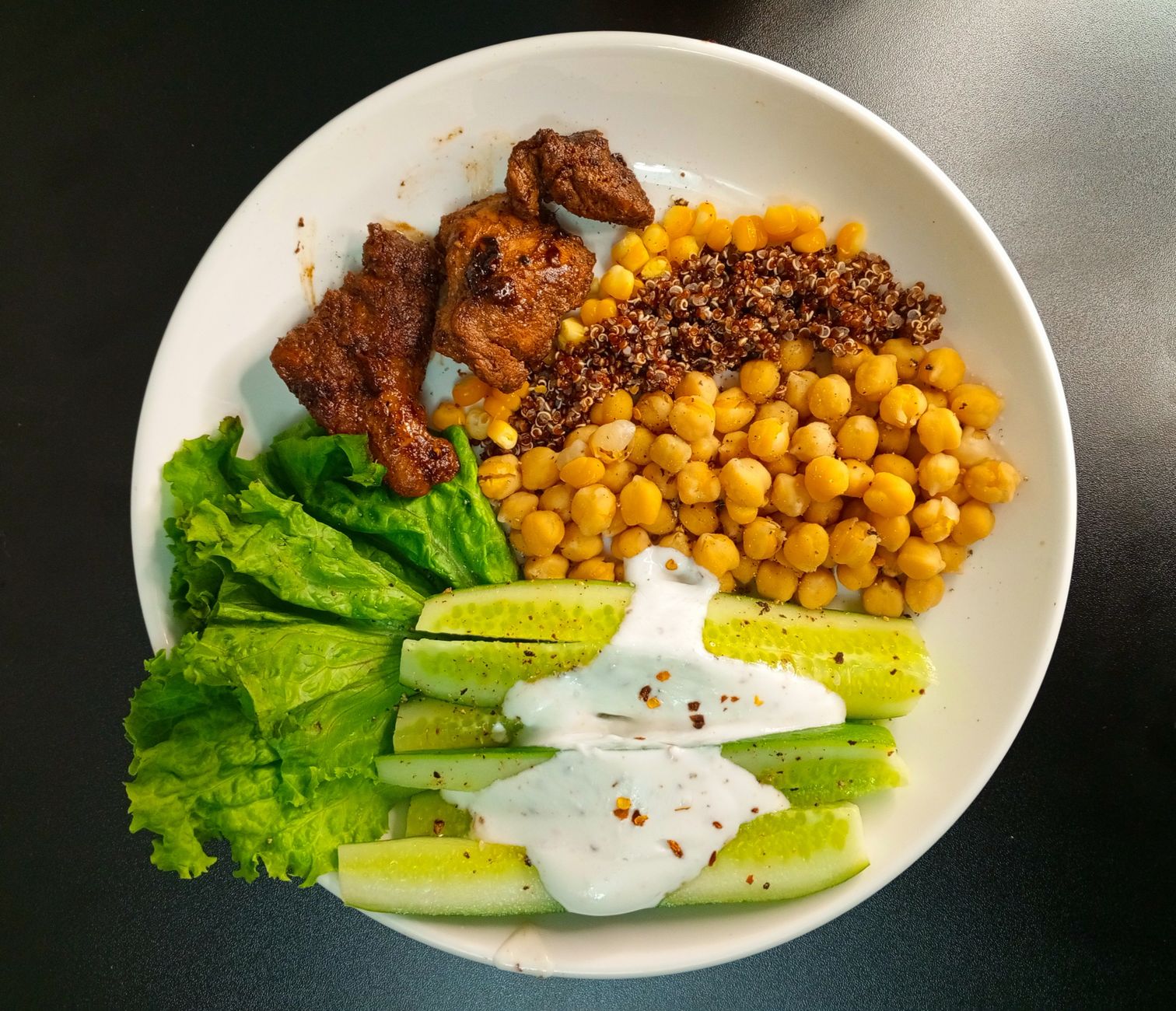
Protein helps breakfast and lunch feel more complete, while fiber slows digestion and supports steadier energy. Good examples include eggs with oats and berries, Greek yogurt with fruit and nuts, chicken grain bowls, tofu stir-fries, salmon with potatoes, and bean-based soups.
Try to include one “anchor” protein, one fiber source, and one satisfying carb or fat at each meal. For snack ideas, the guide to Top 10 High-Fiber Snacks That Actually Satisfy (2026) can help you avoid the grab-and-go crash loop.
You do not need to cut every carb, avoid all fruit, or chase a perfect macro split. Most people do better with a pattern they can repeat on weekdays, especially when work, commuting, or family schedules get in the way.
If stress eating is your main issue, focus less on willpower and more on friction. Keep easy meals visible, prep a few backups, and make the first decision of the day simple. For more behavior support, see Stress & Emotional Eating: How to Stop.
A repeatable stress eating meal plan works better than a long menu you will not use. Use this template as a base: breakfast with 25 to 35 grams of protein, lunch with protein and produce, a snack only when needed, and a dinner that is filling but not heavy.
Below is a one-day template you can repeat with swaps. If you are new to planning, the method in Quick Meal Planning: Build a 30-Minute Weekly Plan can help you get this done fast.
For a 3-day rotation, keep the same structure and change the flavors. Day 1 can be Mediterranean-style, day 2 can be Tex-Mex, and day 3 can be soup-and-sandwich or rice bowl based. That approach lowers decision fatigue and makes shopping easier.
If you like a digital planner, PlanEat AI on the App Store can help organize a repeatable week, but the real value comes from keeping the meals simple enough to follow under stress.
Your grocery list should support quick assembly, not perfection. Pick foods you can mix into breakfast, lunch, and dinner without needing a separate recipe every time. That is what makes a balanced blood sugar meals approach realistic in a normal US grocery run.
Use this list as a starting point, then adjust for your family size, budget, and schedule. If you need more buying structure, this guide on Weekly Grocery Routine (2026) can help you keep the process predictable.
Implementation works best when you keep it very small. Choose two breakfasts, two lunches, and two dinners for the week, then buy enough ingredients to repeat them. If dinner falls apart, keep one emergency option in the freezer so you do not default to takeout every time.
Caffeine timing matters more than many people expect. If coffee is pushing breakfast later, making you skip lunch, or affecting sleep, the rest of the day gets harder to manage. A cortisol diet meal plan should reduce those knock-on effects, not create them.
For most people, it helps to avoid caffeine too late in the day and to pair coffee with food instead of using it as a replacement for breakfast. If sleep is your weak point, the article Why You Feel Tired Even When You Eat Well (2026) offers a useful reality check.
Try coffee after breakfast rather than first thing if it helps you feel less jittery. If afternoons are rough, switch to half-caf, tea, or a smaller serving instead of pushing through with another large cup.
At night, keep dinner steady but not oversized. A balanced plate with protein, cooked vegetables, and a moderate portion of carbs is often more sleep-friendly than a very light dinner that leaves you hungry later.
Stress-friendly eating also means planning for imperfect days. If work runs long, use a backup meal instead of waiting until you are overly hungry. That one change can reduce the feeling that everything is out of control.
For the behavior side of stress-friendly eating, start with stress and emotional eating, sleep and hunger, high-fiber snack ideas, quick meal planning.
For neutral background, cross-check the nutrition and planning claims with MedlinePlus stress management guidance, CDC healthy eating guidance, Dietary Guidelines for Americans.
What is the best breakfast for a cortisol-friendly plan? A high protein breakfast with fiber works well, such as eggs and toast, Greek yogurt with oats and berries, or cottage cheese with fruit.
Should I avoid carbs on a cortisol diet meal plan? No. Most people do better with moderate carbs from oats, rice, potatoes, beans, fruit, and whole grains, especially when paired with protein.
How often should I eat if stress makes me snack? Many people do well with meals every 3 to 5 hours, but the best pattern is the one that prevents overeating and keeps you focused.
When should I stop drinking caffeine? A common starting point is earlier in the afternoon, then adjust based on how sensitive you are and how your sleep responds.
What if stress eating happens at night? Make dinner more satisfying, keep a planned snack available if needed, and reduce the chance of arriving at evening meals overly hungry.
When should I talk to a clinician? If fatigue, poor sleep, appetite changes, or stress symptoms persist or worsen, medical advice can help rule out other causes and guide next steps.
Use a cortisol diet meal plan as a routine builder, not a cure. When meals are regular, protein is higher, and caffeine and sleep are handled with intention, the day usually feels more manageable. Small, repeatable habits beat extreme rules.
If you want the simplest next step, choose two breakfasts, two lunches, and two dinners for this week and shop only for those. That is enough to make the plan real.
A cortisol diet meal plan works best when it lowers day-to-day friction: steady meals, enough protein and fiber, smarter caffeine timing, and sleep-aware routines. If stress eating or fatigue is persistent, treat the meal plan as a support tool and get medical advice when needed. Small, repeatable habits are usually more effective than strict rules.