July 30, 2026
A practical custom meal plan guide: set calories and protein, choose 3 core meals, build one grocery list, and reduce dinner decision fatigue all week.
Short answer: A custom meal plan is a weekly system built around your calorie needs, food preferences, schedule, and budget. Start with 3 core dinners, reuse ingredients, and pre-decide your grocery list so dinner is not a daily emergency.
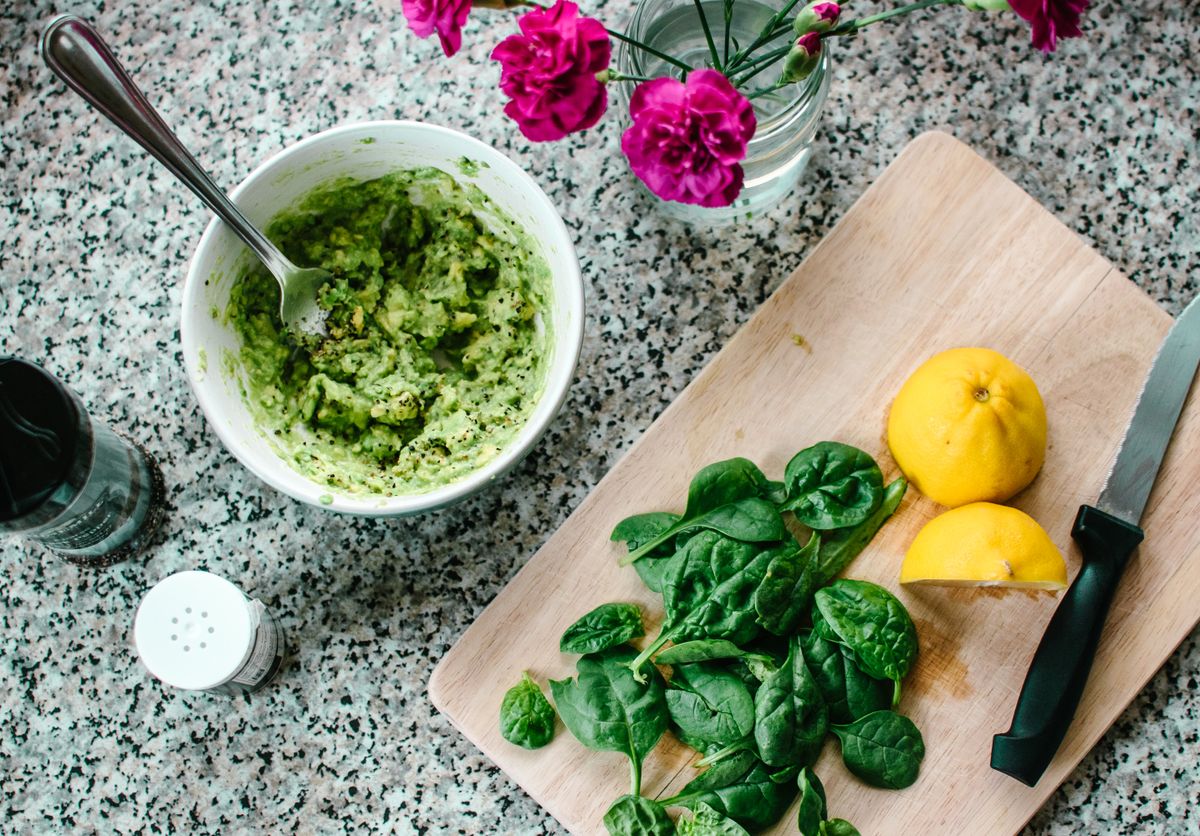
If you have ever stood in front of the fridge at 5:00 p.m. with leftover rice and one suspicious bag of spinach, you already know the problem. Cooking is not usually the hardest part. Deciding is.
This guide gives you a repeatable way to build a custom meal plan that works in real life, not just on a perfect Sunday.
A custom meal plan is a personalized weekly structure. It aligns meals with your goals, dietary restrictions, cooking capacity, and family preferences.
Most people do not fail meal planning because they are lazy. They fail because they run a system that does not fit their current season.
People usually blame discipline. The real issue is system mismatch.
In other words: hope, panic, improvise. Repeat.
Before picking recipes, define your baseline:
Do not optimize for perfect macros on day one. Optimize for consistency.
One of the fastest ways to burn out is forcing five different dinners every week. A better structure is three core meals that stretch across the week.
This keeps variety without daily reinvention.
Leftovers are not random. They are planned carryover.
When cooking once makes tomorrow easier, your plan becomes sustainable.
A custom meal plan only works when it converts into a shopping workflow. Group your list by store sections, merge duplicates, and keep a short staples list. If you want a practical format, use this guide on grocery list structure and money-saving tips.
Shared recipes with different portions are usually easier than separate menus for each person.
Every week, review four things:
If you need a clean framework, start with a default weekly structure and adapt it over time: build a default weekly menu template.
Most custom plan guides focus on recipes and macros, but ignore cognitive load. Track when decisions spike and pre-decide defaults for those nights.
Have 2 emergency dinners that require almost no thinking:
Your custom meal plan is only as strong as your bad-day protocol.
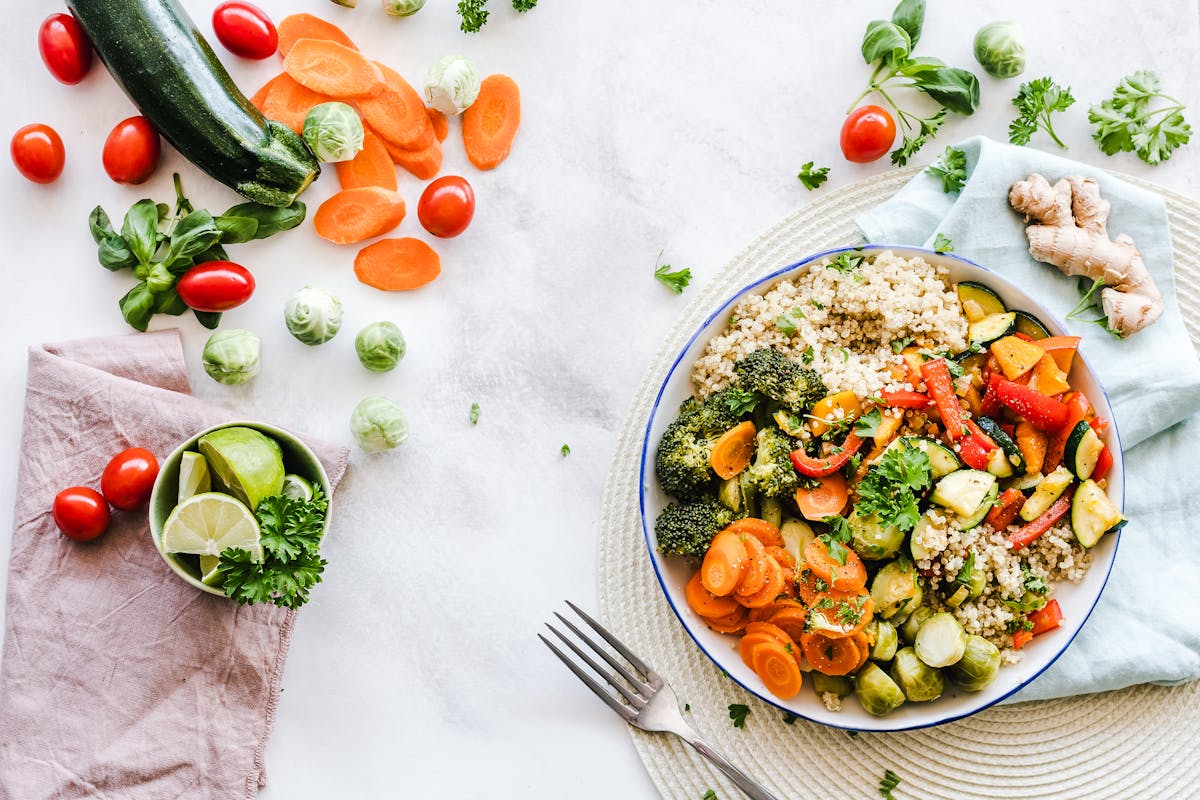
Core Meal A (Mon/Tue): Sheet-pan protein + potatoes + vegetables.
Core Meal B (Wed/Thu): Rice bowls using leftovers + fresh sauce.
Core Meal C (Fri): 20-minute fallback meal.
Weekend: flexible/social, with one prep block for next week.
This is enough structure to lower stress while keeping flexibility.
Yes. Define exclusions first, then choose meals. It is easier to plan around constraints upfront than to edit after shopping.
Yes. The structure is the same: set targets, choose 3 core meals, plan leftovers, and build one grocery list. Only your recipe library changes.
No. Macros can help, but adherence matters more. A consistent plan with simple portion rules usually beats a perfect plan you cannot follow.
For most people, 20 to 40 minutes once per week is enough when using a repeatable template and a saved grocery framework.
Use timing boundaries instead of strict bans. Many kids naturally eat multiple times per day; focus on rhythm and quality, not perfection.
The best custom meal plan is not the most exciting one. It is the one that survives your real week: fewer decisions, smarter leftovers, and a fallback plan for hard days.
If you want this process done faster, PlanEat AI on the App Store can help you build a practical weekly plan and shopping list around your goals and preferences, then you can still tweak it manually.
The best custom meal plan is not the most creative one. It is the one that matches your real week, repeats on purpose, and removes daily decisions.