
July 30, 2026
A practical 2800 calorie meal plan with simple structure, grocery tips, and flexible swaps for training days, busy weeks, and budget control.
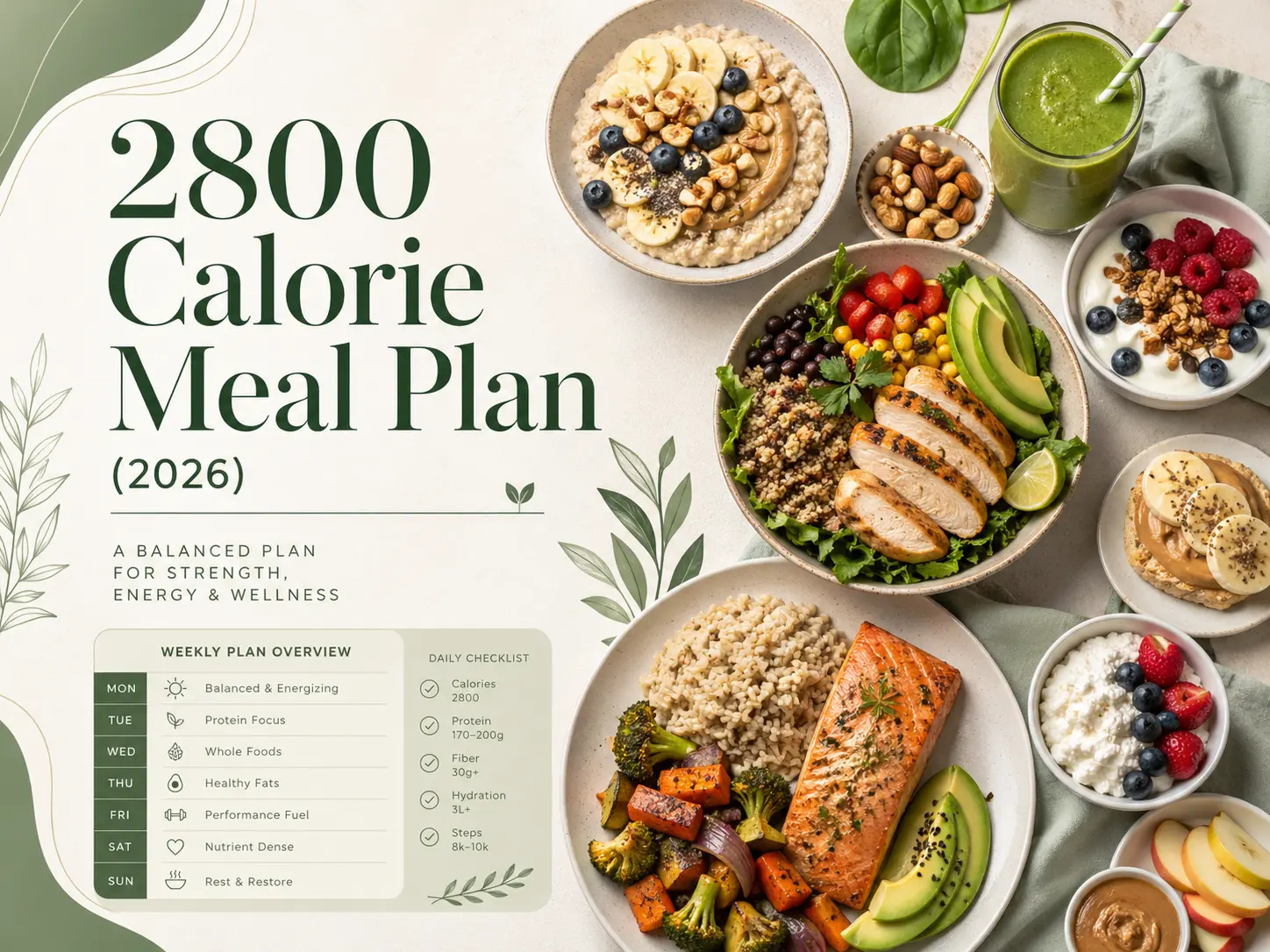
A 2800 calorie meal plan works best for people who need a steady amount of food to support training, active jobs, or higher daily energy needs. It is also useful if you want more structure than tracking every bite but still need flexible meals that can scale up or down.
This approach is less about perfection and more about repeatable patterns. If you want a simpler way to organize meals, a PlanEat AI on the App Store setup can help turn targets into practical daily menus, but the same planning ideas work with paper notes or a spreadsheet too.
A strong day starts with meals that are filling, easy to repeat, and built from common foods. Try to include protein, carbs, and some fat at each meal so your energy stays steady from morning through evening.
For a simple structure, use a balanced breakfast, a lunch that travels well, a snack or two, and a dinner with a larger carb portion if you train later in the day. You can also compare ideas from balanced breakfast templates and balanced dinner templates to keep portions consistent.
If you want more lunch ideas, see high-protein lunches or keep things simple with quick packable lunch ideas.
The easiest weekly plan uses a few repeatable breakfast options, two or three lunch templates, and several dinner anchors. This keeps shopping simpler and reduces the chance that random takeout replaces planned meals.
A practical method is to build around a default menu, then swap protein, starch, or vegetables based on what is on sale or already in the fridge. For a wider system, use a default weekly menu template and adjust portions instead of rewriting the whole plan every week.
If your schedule changes often, a flexible setup like flexible meal planning without a strict plan can make this easier to maintain.
For a 2800 calorie plan, groceries should cover enough volume without turning into a complicated list. Focus on shelf-stable basics, a few proteins, easy carbs, and produce that lasts long enough to use before it spoils.
Batch cooking helps most when it cuts decision time, not when it creates a huge weekend project. If you want a faster setup, review meal prep basics and smart bulk buying and freezing for ways to stretch food further.
If budget matters, build from a grocery list structure that groups items by aisle and keeps extras limited. You can also use grocery list structure and money-saving tips to avoid duplicate buys.
How do I know if 2800 calories is right for me?
Start with your activity level, body size, and weight trend. If your energy is low or your weight is dropping faster than expected, you may need more food.
Can I use this plan on rest days too?
Yes. On rest days, many people keep meals similar and simply reduce snack size or trim one starch portion if needed.
What if I do not want to track calories every day?
Use the same meal structure and repeat portions. A consistent template often matters more than exact numbers.
How can I make 2800 calories more affordable?
Base meals on rice, oats, potatoes, eggs, yogurt, frozen vegetables, and store-brand staples. Buy proteins and produce that are in season when possible.
Can this work for muscle gain?
Yes, if your total intake supports training and recovery. Pair the plan with enough protein and regular meals across the day.
What should I change first if the plan feels too big?
Reduce snack portions first, then adjust carb portions at one meal. Keep protein consistent so the plan still feels filling.
A 2800 calorie meal plan works best when it is built from repeatable meals, a short grocery list, and flexible portions. Keep the structure simple, then adjust the carbs, snacks, or protein servings based on your activity and appetite. If you stay consistent for a week or two, it becomes much easier to refine.