
October 2, 2026
Quick, packable lunch ideas built from affordable staples, plus simple templates, planning tips, and examples to help you bring balanced lunches from home.
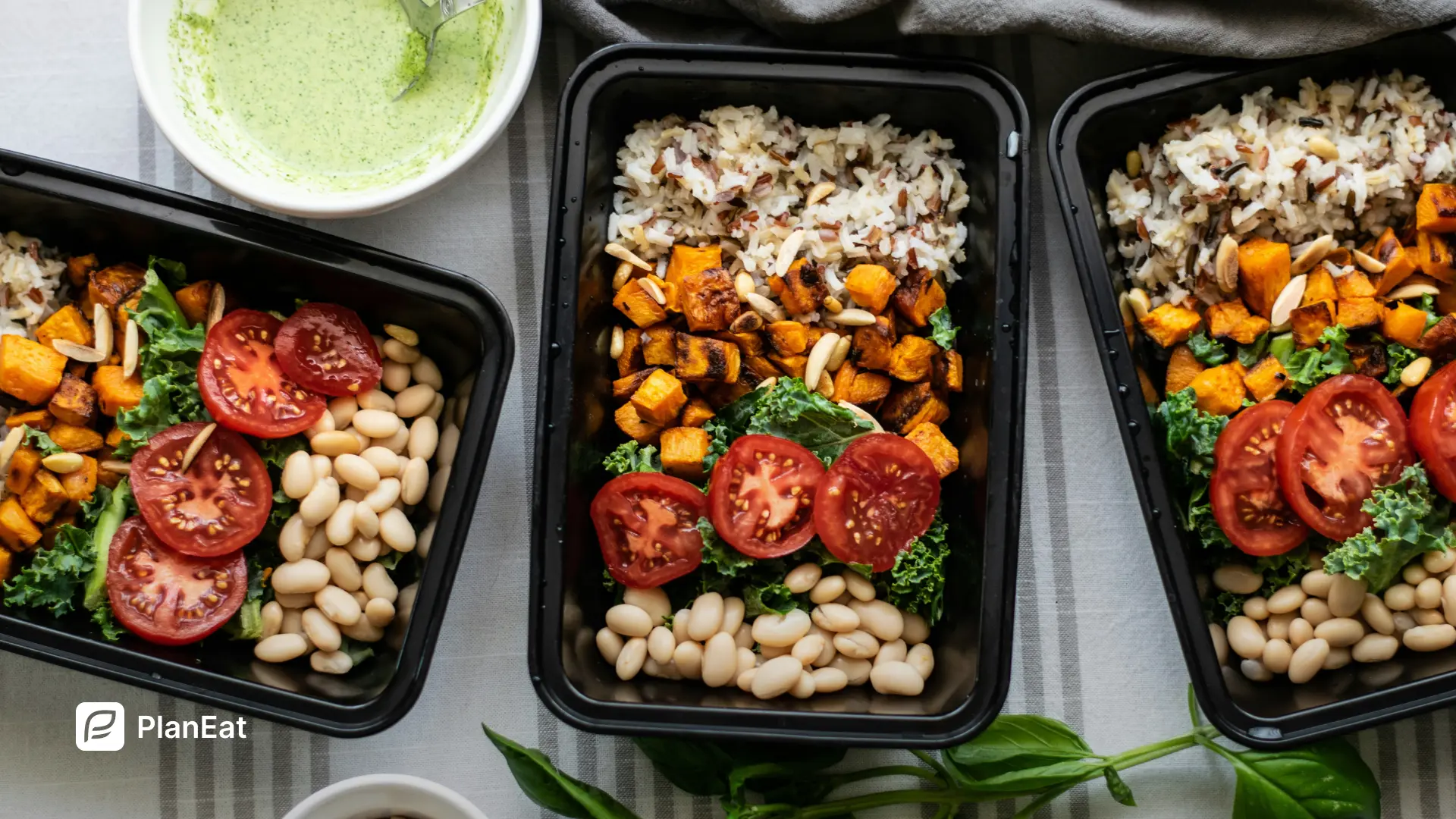
TL;DR: Quick healthy lunches do not need complicated recipes or expensive ingredients. If you build lunches around protein, fiber rich carbohydrates, and produce, you can pack meals that travel well, keep you full, and use affordable staples. Use these templates to repeat a few favorite lunches instead of buying something new every day.
A good lunch does a few jobs at once. It should help you avoid an afternoon energy crash, be realistic to pack, and not strain your grocery budget.
Most balanced packable lunches include:
You do not need perfect tracking. The main goal is that your lunch has something to keep you full, something to give you steady energy, and something fresh.
If you want a basic visual of how this should look on a plate, you can start with Healthy Eating Basics: Build a Balanced Plate and then shrink that idea into a lunchbox size.
If you want lunches to fit smoothly into your week without planning each day from scratch, you can use PlanEat AI to generate a weekly meal plan and grouped grocery list based on your goals, dislikes, and cooking time. Then you choose which recipes work well as packable lunches and keep them in rotation.
Instead of thinking in full recipes, think in building blocks.
If you want a bit more guidance on how lunches fit into planning your whole week, you can connect this with Quick Meal Planning: Build a 30-Minute Weekly Plan and decide ahead which days are pack and go.
These ideas are designed for lunchboxes, offices, or days when you do not have a microwave. Adjust portions and ingredients based on your needs and any advice from your healthcare provider.
If you want more detail on low sugar, high protein yogurt combinations, you can take inspiration from Greek Yogurt Snack Ideas (Low Sugar, High Protein) and scale portions up slightly for lunch.
This style works well when you do not feel like a traditional sandwich.
Many of the best work lunches start as dinner.
Ideas that reheat well:
You can pack leftovers in a microwave safe container and add a side of fresh vegetables or fruit to brighten the meal.
If you want more specific ideas that are already designed around reheating, you can use Reheat-Friendly Lunches for Work (5-Day Plan) as a companion and swap in budget friendly ingredients you already buy.
Cooking with leftovers in mind can also save you time. For a broader framework on planning, cooking once, and reusing food across meals, you can use Using Leftovers Smartly: Plan, Cook, Re-use.
Packed lunches can be much cheaper than daily takeout, but only if they match how you actually shop and eat.
Practical tips:
For more detailed ideas on stretching your grocery budget without sacrificing nutrition, you can read Healthy Eating on a Budget: 24 Practical Tips.
If you want a concrete example of a full week that stays cost conscious while still feeling balanced, you can look at Budget 7-Day Meal Plan (Under $2/Serving) and borrow lunch structures that fit your routine.
Once you find two or three lunches that travel well, reheat easily, and fit your budget, you can save them as part of your favorite weekly patterns in PlanEat AI. The app keeps your structure and grouped grocery list in one place so those lunches show up automatically when you plan your week.
Use this mini plan as a starting point. Adjust portions and ingredients based on your needs, workplace setup, and any guidance from your healthcare provider.
If you like this kind of structure, you can zoom out to a larger weekly view using How to Build a Weekly Meal Plan (Examples) and plug these lunch ideas into your midday slots while keeping breakfasts and dinners simple.
Not necessarily. Some people like to prep two or three lunches at a time and repeat them, while others prefer to rely on leftovers from dinner. The best approach is the one you are most likely to keep doing.
Yes. Using whole grain bread, including a good protein source, and adding vegetables on the sandwich or as a side can make sandwiches a balanced option.
You can focus on items that are safe at room temperature for a few hours when packed with an ice pack, such as whole fruits, certain vegetables, hard cheeses, and some sealed yogurts. When in doubt, follow food safety guidance in your region.
Keep the structure and change the details. For example, rotate different beans, grains, vegetables, or sauces while using the same basic bowl or wrap template.
For many people, bringing lunch from home several days a week is cheaper than buying it out, especially when lunches use overlapping ingredients and basic staples. Tracking your usual lunch spending for a week or two can help you see the difference.
Educational content only - not medical advice.
Quick, packable lunch ideas built from affordable staples, plus simple templates, planning tips, and examples to help you bring balanced lunches from home.