
October 2, 2026
A practical 2026 guide to flexible meal planning without strict rules. Learn a simple framework, a 3-day example, and a grocery core you can reuse.
TL;DR: Flexible meal planning is a plan that can bend without breaking. Instead of locking you into exact meals on exact days, it gives you a small set of repeatable meal options that you can mix and match based on your week.
Many people quit meal planning because it feels too strict. Life changes, plans shift, and the moment you miss one meal, the whole week feels off track. Flexible planning solves this by planning your food like a menu, not a calendar.
The goal is simple: reduce decisions, reduce waste, and keep meals balanced even when your schedule changes. If you want a quick foundation for building any plan, Meal Planning Basics: How to Start (Beginner Guide) is a good reference point.
If you want structure without strictness, PlanEat AI generates a weekly meal plan and a grouped grocery list personalized to your goals, dislikes, and the time you have to cook. You can keep meals simple, then swap options as your week changes.
A strict plan assigns dinner for Monday, Tuesday, and Wednesday. A flexible plan assigns two or three dinner options and lets you choose the order later.
Think in anchors and options:
A simple starting structure is:
If you need the fastest way to set this up, Quick Meal Planning: Build a 30-Minute Weekly Plan shows how to plan light but still stay consistent.
This is an example of how flexible planning works in real life. The meals can be eaten in any order and still use overlapping groceries.
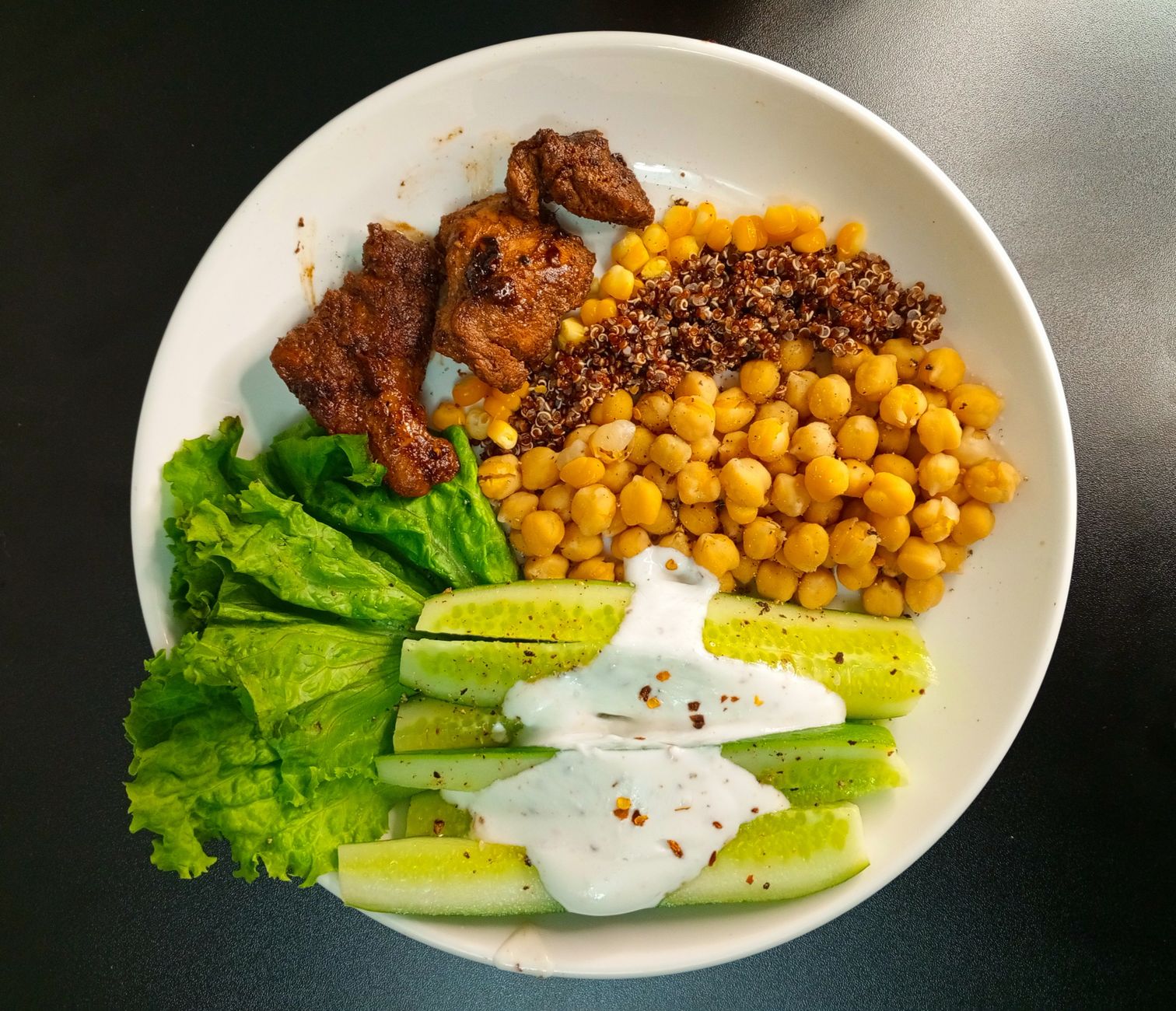
Day 1 option: a rice bowl with a protein, frozen vegetables, and a sauce. The same base can become a wrap the next day.
Day 2 option: a sheet-pan dinner using one protein and two vegetables. Cook extra on purpose so lunch is already handled.
Day 3 option: a pantry meal like pasta with marinara plus beans, or a quick egg-based dinner with a side salad.
Notice what makes it flexible: every meal shares at least one ingredient, and none of them requires perfect timing.
A flexible plan fails when the groceries are too random. Shopping is where you earn flexibility.
Build a grocery core that supports multiple meals:
This keeps your kitchen stocked for real meals, not just healthy ingredients that do not connect. For a realistic approach to keeping food moving instead of piling up, Using Leftovers Smartly: Plan, Cook, Re-use is a helpful companion.
With PlanEat AI, you can save a weekly plan as reusable, swap meals quickly, and keep a repeatable protein-and-fiber backbone. That makes flexible planning feel like a system you can run again next week, not a plan you have to rebuild from scratch.
Flexible planning still reduces decisions because you choose a small set of meal options ahead of time. You are not improvising from a random fridge.
Start small. Two anchor dinners, one backup dinner, and two simple lunches is enough for many people.
That is exactly when flexibility helps. Use meals that share ingredients and can be cooked in under 30 minutes, then choose the order based on your energy.
Keep the structure the same and change the flavor. Rotating sauces, seasonings, and sides adds variety without adding complexity.
No. Most people get better results from consistency and balanced meals than from tracking, especially if tracking adds stress.
Educational content only, not medical advice.
A practical 2026 guide to flexible meal planning without strict rules. Learn a simple framework, a 3-day example, and a grocery core you can reuse.