
October 2, 2026
Simple dinner templates built from protein, fiber rich carbs, and vegetables that help you create balanced evening meals, plus planning and shopping tips to fit them into your week.
TL;DR: A balanced dinner does not have to mean complicated recipes or strict tracking. If you follow a simple pattern of protein, fiber rich carbohydrates, and plenty of color, you can build dinners that keep you full and support your goals. Use these templates to mix and match ingredients you already like instead of starting from zero every night.
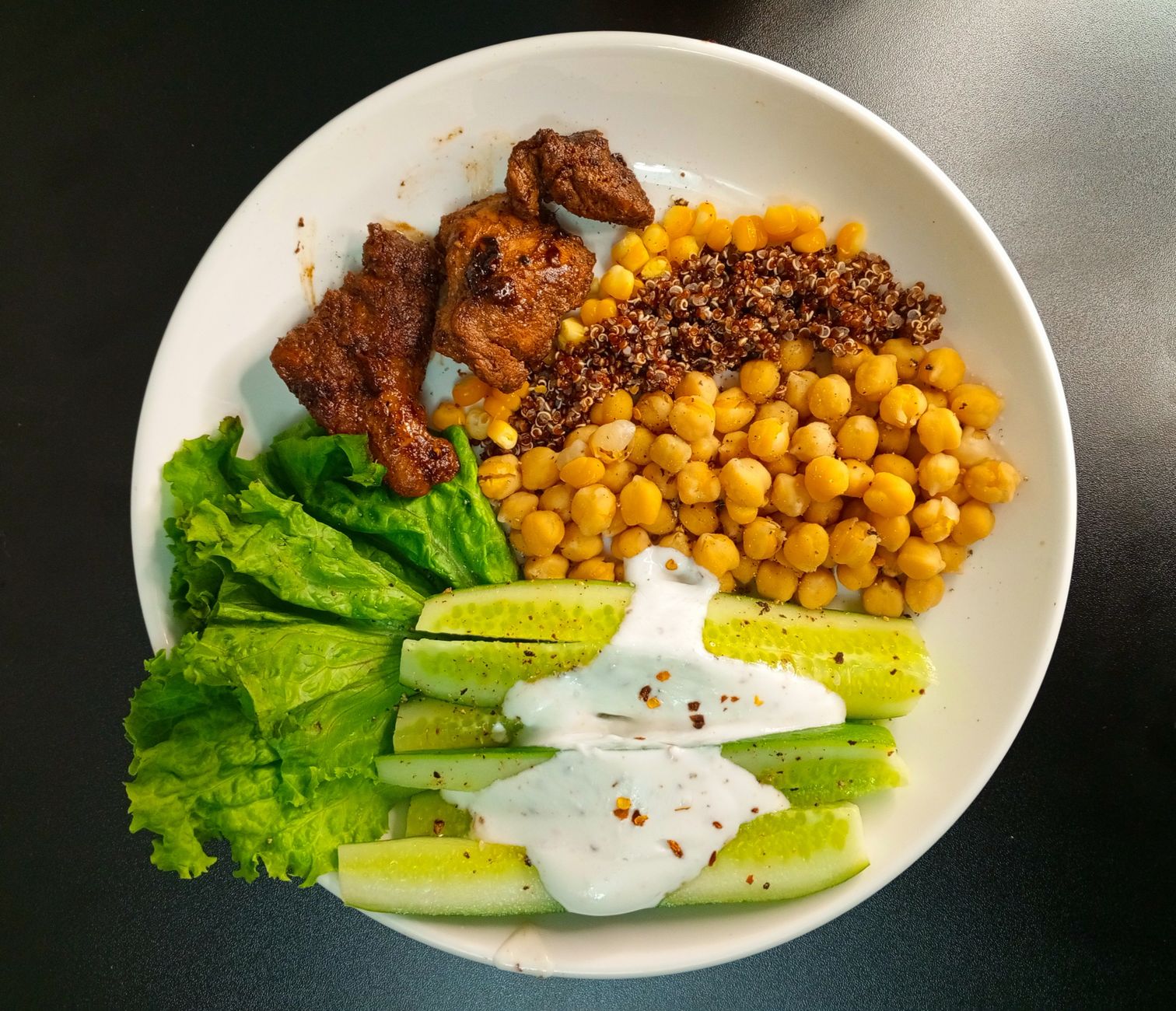
Balanced does not mean perfect. It means your plate does a few important jobs at once.
Most balanced dinners include:
You can picture your plate roughly as half vegetables and fruit, a quarter protein, and a quarter carbohydrates, then adjust based on your appetite and guidance from your healthcare provider.
If you want a simple visual to ground this idea before you think about dinners in detail, you can start with Healthy Eating Basics: Build a Balanced Plate and then use this article to turn that picture into evening meal templates.
If you want balanced dinners to show up in your real week, not just on paper, you can use PlanEat AI to generate a weekly meal plan and grouped grocery list based on your goals, dislikes, and cooking time. Then you pick which of these simple templates fill your dinner slots and let the app handle the structure.
A helpful question is: where is my protein, where is my fiber, where is my color.
If you want more quick ideas that already follow this pattern, you can use Quick Healthy Dinner Ideas (15–30 Minutes) as a companion list and notice how the same three part structure shows up again and again.
These are templates, not strict recipes. Swap ingredients based on what you have and what you enjoy.
Why it works: the grain adds slow carbohydrates, the protein keeps you full, and the vegetables add volume and micronutrients.
Toss everything in a little oil and seasoning, roast until cooked, and serve.
Serve with whole grain bread if you need more carbohydrates.
Everyone builds their own plate, which can help when people in the household have different tastes. For more ideas on keeping one structure while letting people personalize details, you can connect this with Family Meal Planning: One Plan, Everyone Happy.
Serve with a side salad or a portion of cooked vegetables to increase color and fiber.
If you want to see how these dinners can fit into a full week, you can use 7-Day Balanced Meal Plan (With Grocery List) as a longer template and swap in these patterns for specific days.
The same structure can work for several goals with small adjustments.
For a more detailed example of a full week built around this goal, you can use 7-Day Weight Loss Meal Plan (With Shopping List) and notice how dinners follow the same basic structure.
If you are working on understanding your overall macro picture, you can connect this article with Macros for Beginners: Protein, Carbs, Fat (How Much?) and adjust your dinner templates to support that range.
For more structure around leftovers and reusing food intentionally, you can use Using Leftovers Smartly: Plan, Cook, Re-use as a framework.
A short planning habit makes it much easier to build balanced dinners on weeknights.
Practical steps:
If you want help structuring that grocery list so it matches how you actually shop, you can connect this section with Grocery List Structure & Money-Saving Tips and build your list around grouped store sections.
For ideas on keeping your kitchen stocked with the basics that support these dinners, you can also use Pantry Staples: Build a Healthy Kitchen (Practical Checklist).
Once you know which balanced dinners work for your household, you can save them as part of your favorite weekly patterns in PlanEat AI. The app keeps your structure and grouped grocery list in one place so you can repeat what works and swap recipes inside each template without redoing your plan.
Use this as a starting point and adjust portions and ingredients based on your needs and any advice from your healthcare provider.
If you like this type of structure, you can zoom out to a full week using How to Build a Weekly Meal Plan (Examples) and plug balanced dinner templates into the evening slots while keeping breakfasts and lunches simple.
No. Rough visual guides, such as aiming for half of the plate as vegetables, a quarter protein, and a quarter carbohydrates, are often enough for everyday dinners. If you have medical or performance goals, your healthcare provider can give more precise targets.
Yes, if you adjust the structure. For pasta, use whole grain or legume pasta, add vegetables and a protein source, and watch portion size. For burgers, use a leaner patty, whole grain bun, and serve with a side salad or vegetables instead of only fries.
Templates like bowls or build your own tacos can help, because everyone shares a base and chooses their own toppings. You can keep your plate closer to the balanced target while others adjust theirs.
For many people, a small dessert can fit into a balanced pattern, especially if most meals follow the three part structure. The key is overall patterns and portions rather than never having sweets.
Choosing a few templates you know well, keeping basic ingredients on hand, and planning even a rough weekly outline makes decisions easier on tired evenings. Some people also batch cook one or two dinners in advance to reduce weeknight effort.
Educational content only - not medical advice.
Simple dinner templates built from protein, fiber rich carbs, and vegetables that help you create balanced evening meals, plus planning and shopping tips to fit them into your week.