
October 2, 2026
A realistic 7-day weight loss meal plan with simple meals, a grouped shopping list, and tips to adapt it to your schedule, budget, and goals without counting every calorie forever.

TL;DR: A realistic weight loss meal plan does not need extreme rules or special products. This 7-day example uses simple meals with enough protein, plenty of vegetables, and moderate portions. You can repeat breakfasts and lunches, rotate dinners, and use the grouped shopping list as a template instead of counting every calorie forever.
This plan is built for everyday life, not a short challenge.
The main ideas behind it:
You can adjust serving sizes, snacks, and ingredients to fit your body size, activity level, and any guidance from your healthcare provider.
If you are completely new to planning what you eat, it can help to first read Meal Planning Basics: How to Start (Beginner Guide) so you understand how a weekly plan fits into your routine. Then this 7-day menu becomes one practical template inside that bigger structure.
Before looking at the menu itself, here are the guiding rules.
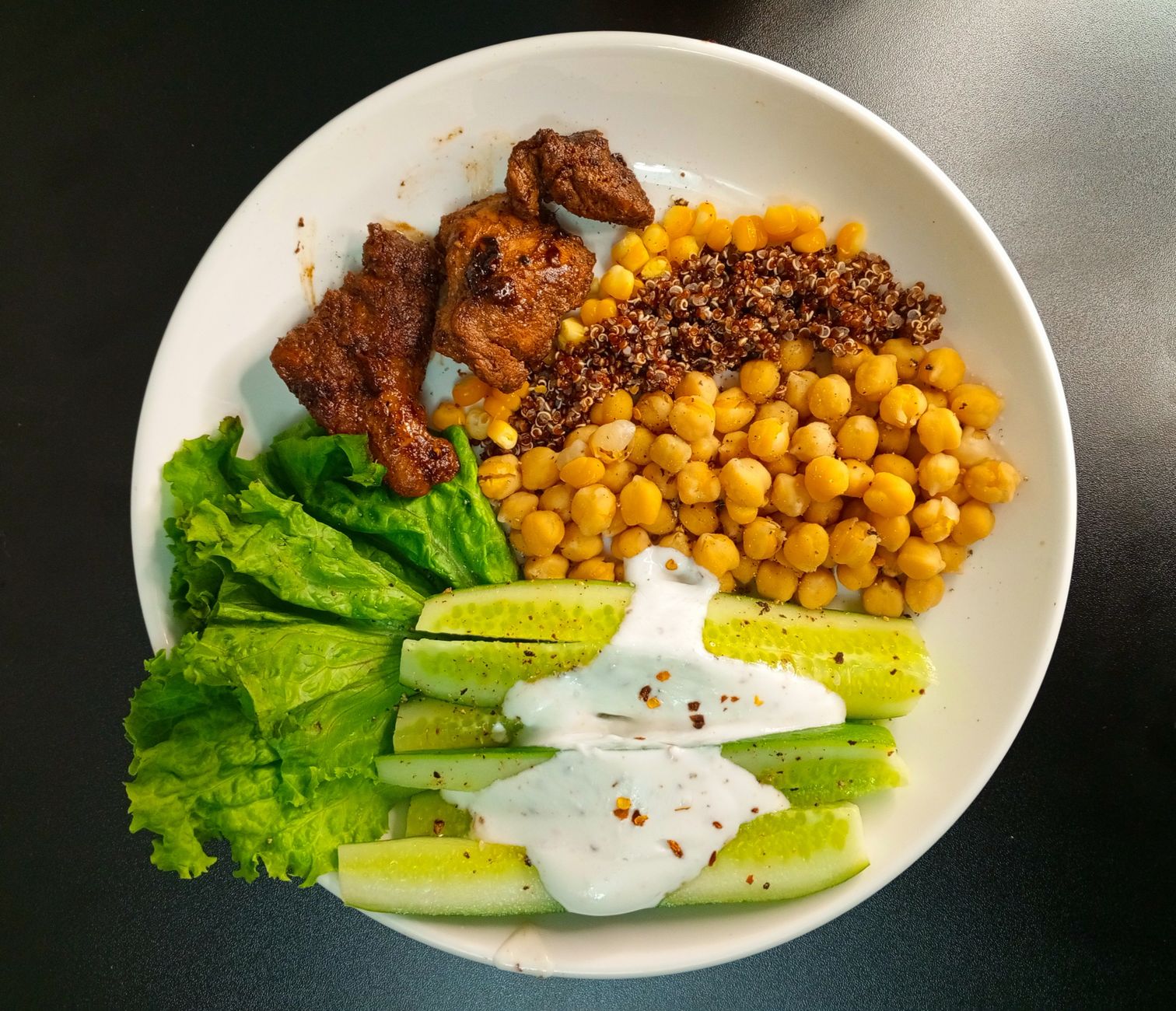
At most main meals, aim for:
For a deeper visual guide and more examples of how these plates can look, you can use Healthy Eating Basics: Build a Balanced Plate alongside this 7-day structure.
If you want more detail about setting a protein target that fits weight loss, you can pair this plan with Protein Goals for Weight Loss (Simple Calculator) and see how your daily range lines up with these meals.
Repetition keeps shopping simpler and makes it easier to see patterns over time.
If you want this kind of structure without writing everything by hand, you can use PlanEat AI to generate a weekly meal plan with basic calories and macros plus a grouped grocery list. You set your goals, dislikes, and cooking time, and the app builds a similar pattern that you can then adjust toward your own weight loss targets.
This plan assumes three main meals and one optional snack most days. Adjust portions based on appetite, activity level, and any professional advice you have received.
You can rotate between these options instead of following them in a strict order.
If you like how this structure feels and want more examples of higher protein meals for similar goals, you can also look at 7-Day High-Protein Meal Plan (With Shopping List) and mix some of those dishes into this week.
Use this list as a starting point. Quantities depend on how many people you cook for and how large your portions are.
To fine tune this list for your budget and store layout, you can combine these ideas with Grocery List Structure & Money-Saving Tips and Budget 7-Day Meal Plan (Under $2/Serving) so you save money while still following a structure that supports weight loss.
No single 7-day plan fits everyone. Use this as a template and adjust.
If you are not sure how much to eat, you can use a simple plate based approach and then track your progress for a few weeks. For more guidance on how calorie awareness and planning can work together, you can read Calorie Counting vs Meal Planning: What Works Better?.
If you cook for more than one person and want everyone to share a similar structure, it can help to combine this plan with ideas from Family Meal Planning: One Plan, Everyone Happy.
If you want a more detailed look at cooking ahead for the week, you can use Meal Prep Basics: Beginner’s Guide to Cooking Ahead to build a prep routine that fits this plan.
Once you know which meals from this plan you enjoy and which days feel best, you can save a similar pattern in PlanEat AI. The app keeps your preferred weekly structure, basic calories and macros, and a grouped grocery list in one place so you can repeat what works and only tweak a few meals at a time.
This plan can support weight loss because it emphasizes balanced meals, protein, and vegetables, but weight change still depends on your overall calorie intake, activity level, and individual needs. Think of it as a starting template, not a guarantee.
No. You can shuffle days, repeat favorites, or swap lunches and dinners. The overall pattern of balanced meals and moderate portions matters more than following a strict sequence.
First, check whether your meals include enough protein and fiber. If they do and you are still hungry, add a planned snack that combines protein and fiber, such as yogurt with fruit or veggies with hummus, instead of random grazing.
Yes. You can plan one or two restaurant meals in the week and keep the rest of your meals close to this structure. Choose options with protein, vegetables, and controlled portions when you eat out.
You can repeat a similar structure for several weeks, adjusting portions, recipes, and snacks as you learn what works for your body. Over time, the goal is to turn this kind of structure into your default pattern, not a short term project.
Educational content only - not medical advice.
A realistic 7-day weight loss meal plan with simple meals, a grouped shopping list, and tips to adapt it to your schedule, budget, and goals without counting every calorie forever.