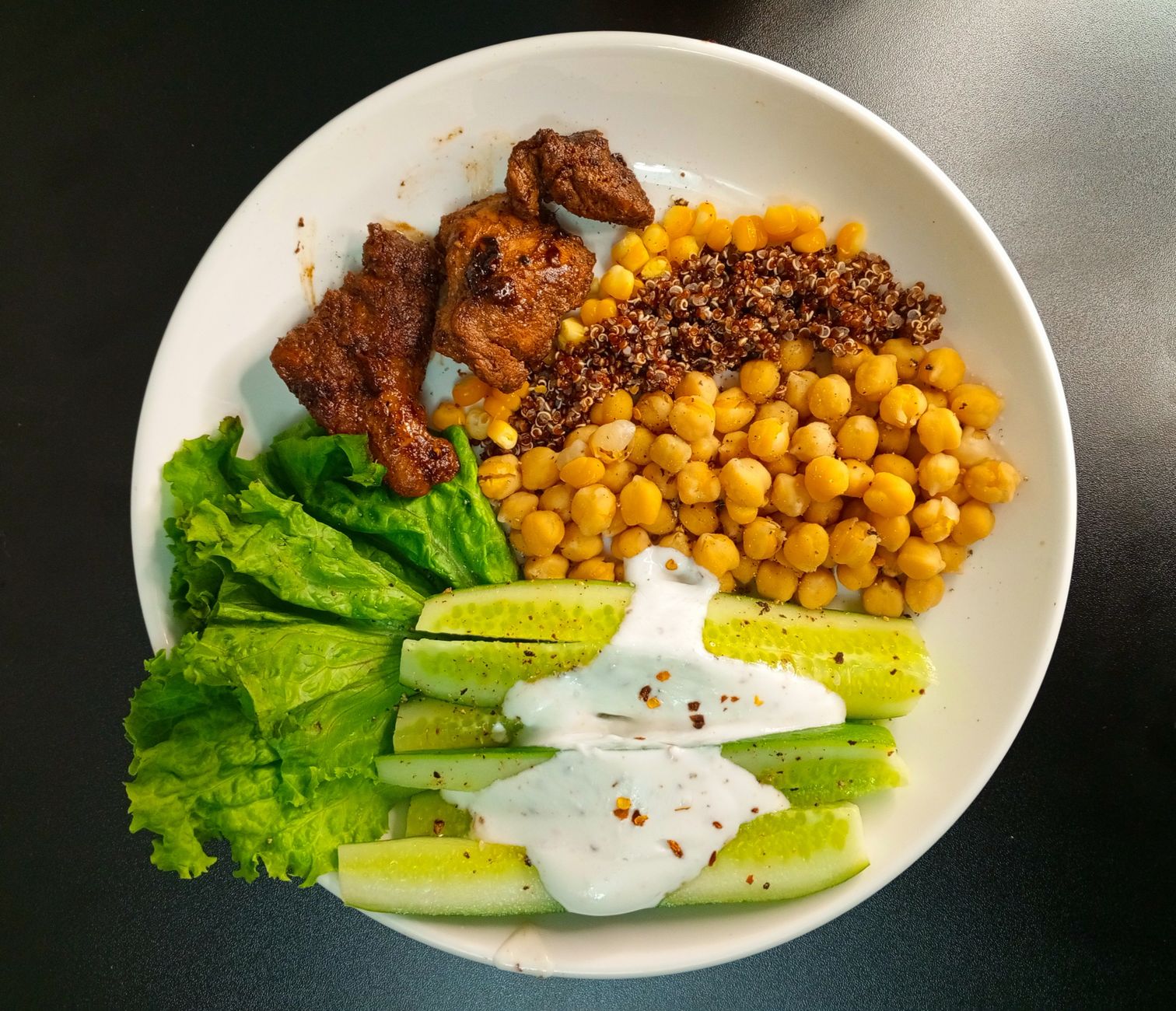

October 2, 2026
A practical comparison of calorie counting and meal planning, how each method works in real life, and how to combine them so you can make progress without tracking every bite forever.
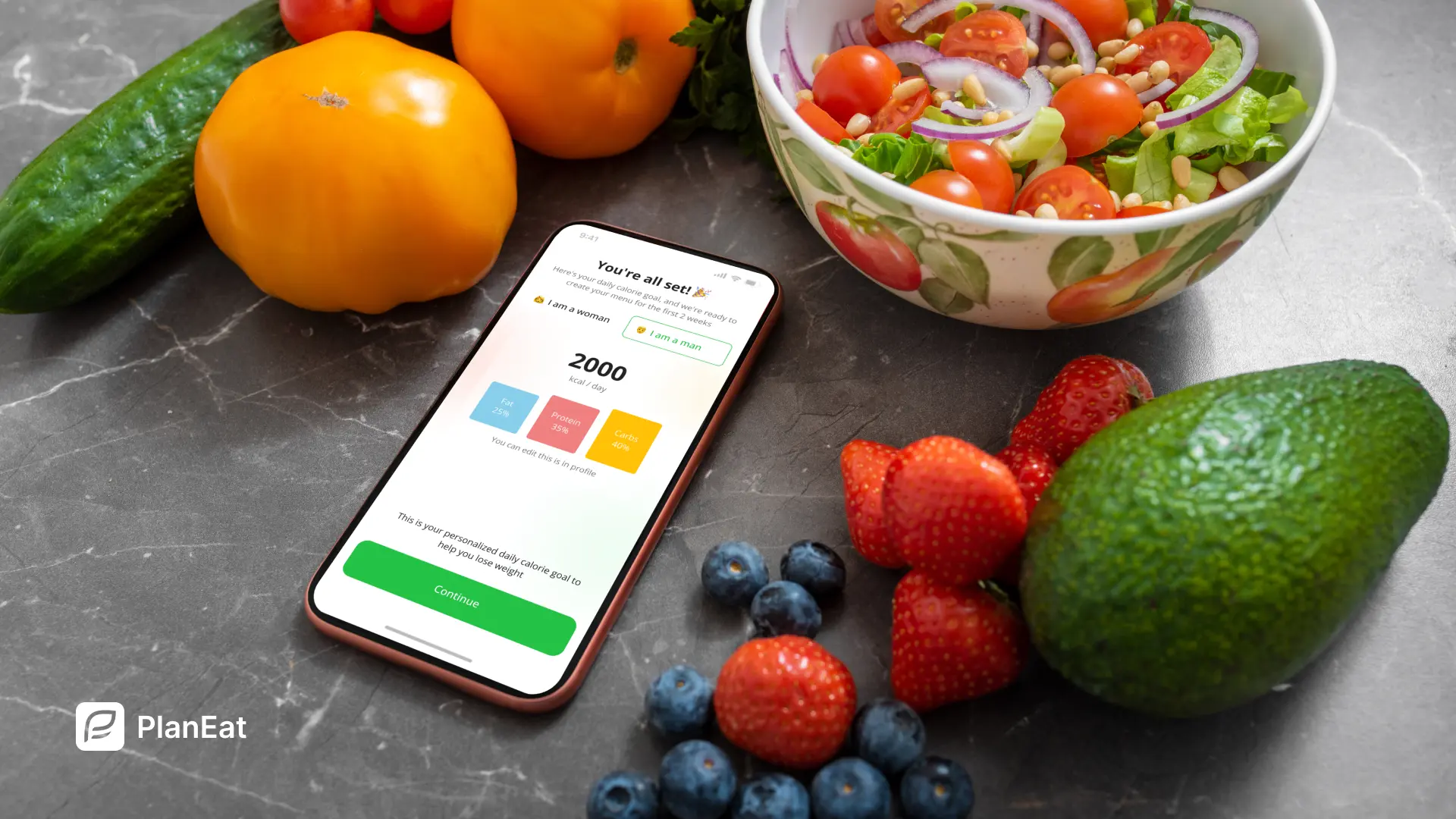
TL;DR: Calorie counting and meal planning are tools, not diets. Counting calories can help you understand how much you eat and why weight changes, but it is often tiring to do long term. Meal planning focuses on structure and habits, which is usually easier to keep up in real life. For most people, a simple meal planning routine with short periods of calorie tracking works better than relying only on one method.
In everyday life, people use these words loosely.
Calorie counting usually means:
Meal planning usually means:
Both methods can support weight changes and better eating. The key differences are where you put your effort and attention:
If you want a basic picture of what a balanced meal looks like before comparing tools, it can help to review Healthy Eating Basics: Build a Balanced Plate and then decide whether you prefer to manage that through numbers, structure, or both.
Calorie counting is not mandatory, but it can be very useful in specific situations.
Many people underestimate how much they eat or overestimate how much certain activities burn. Tracking for a few weeks can show you:
This learning phase does not have to last forever. Once you understand your usual patterns, you can often stop tracking daily and use what you learned to shape future meals.
For some people, more precise tracking is helpful or sometimes recommended, for example:
In these cases, calories and macros can be part of a clear plan designed with a coach or clinician.
If you feel that you eat well but nothing changes, a short period of tracking can help answer questions like:
It is easier to adjust when you can see the pattern on paper rather than guessing.
For most people, calorie tracking works best as a temporary tool, not a permanent way of living.
If you want the clarity of calorie awareness without logging forever, you can use PlanEat AI to generate weekly meal plans with basic calories and macros plus a grouped grocery list. Then, if you choose, you track for a short time just to see how these planned meals fit your daily targets instead of logging random choices.
Meal planning focuses on structure and habits. That often makes it more sustainable for busy people than constant tracking.
With a simple weekly plan, you decide what to eat once, then follow the plan:
If you want help building this kind of structure from scratch, you can use step by step guidance from Meal Planning Basics: How to Start (Beginner Guide) and adapt it to your own schedule.
Meal planning makes it easier to:
Over time, these patterns often matter more for health and weight than whether you hit an exact calorie number every single day.
When you plan ahead, it is easier to:
A basic weekly plan also makes it simpler to try specific styles of eating, like higher protein weeks or balanced menus. For a practical example of how a planned week looks on the plate, you can explore How to Build a Weekly Meal Plan (Examples) and then adjust it to your preferences.
That is why some people benefit from combining a structured meal plan with occasional tracking instead of choosing only one side.
Instead of asking which tool is universally better, it can help to ask which tool fits your current goal, personality, and season of life.
You need some form of calorie deficit, but it does not have to come from tracking every gram. A realistic approach can be:
For a deeper dive into what actually goes on your plate when you want to lose weight, you can use What Exactly Should I Eat to Lose Weight? (2025) as a practical complement to this comparison.
For many people, a hybrid works best:
Once you have a few weeks of data and a plan that feels good, you can rely more on the plan and only track again when something changes, like your activity level or weight plateau.
If you decide to lean on meal planning, you can keep your favorite weekly patterns and recipes in PlanEat AI and let the app build new weeks around your goals, dislikes, and cooking time. That way your meal planning stays consistent, and you can still use calorie tracking occasionally for feedback without starting from zero.
Not always. Weight loss depends on a calorie deficit over time, but you can create that deficit through structured meal planning, portion control, and better food choices without logging every bite. Calorie counting is a tool to measure, not the only way to make progress.
It can be, especially if your portions are moderate and you focus on balanced meals. If your weight or energy is not changing the way you expect, a short period of tracking can help you see whether your plan needs adjustments.
Yes. Many people plan their meals for the week and then track those meals for a short time to see how they fit their targets. After a while, they can often stop logging because they know roughly how much their usual meals contain.
If tracking makes you feel anxious or obsessed, it may be better to focus on meal planning, plate structure, and habits. You can work with portion sizes, hunger cues, and simple rules instead of exact numbers.
There is no single answer, but many people benefit from using tracking as a temporary learning tool, not a permanent requirement. A few weeks or months can be enough to understand your patterns and then shift your focus back to planning and habits.
Educational content only - not medical advice.
A practical comparison of calorie counting and meal planning, how each method works in real life, and how to combine them so you can make progress without tracking every bite forever.