
October 2, 2026
Use this fertility diet meal plan for Mediterranean-style meals, key nutrients, grocery prep, and practical questions to discuss with a clinician now.
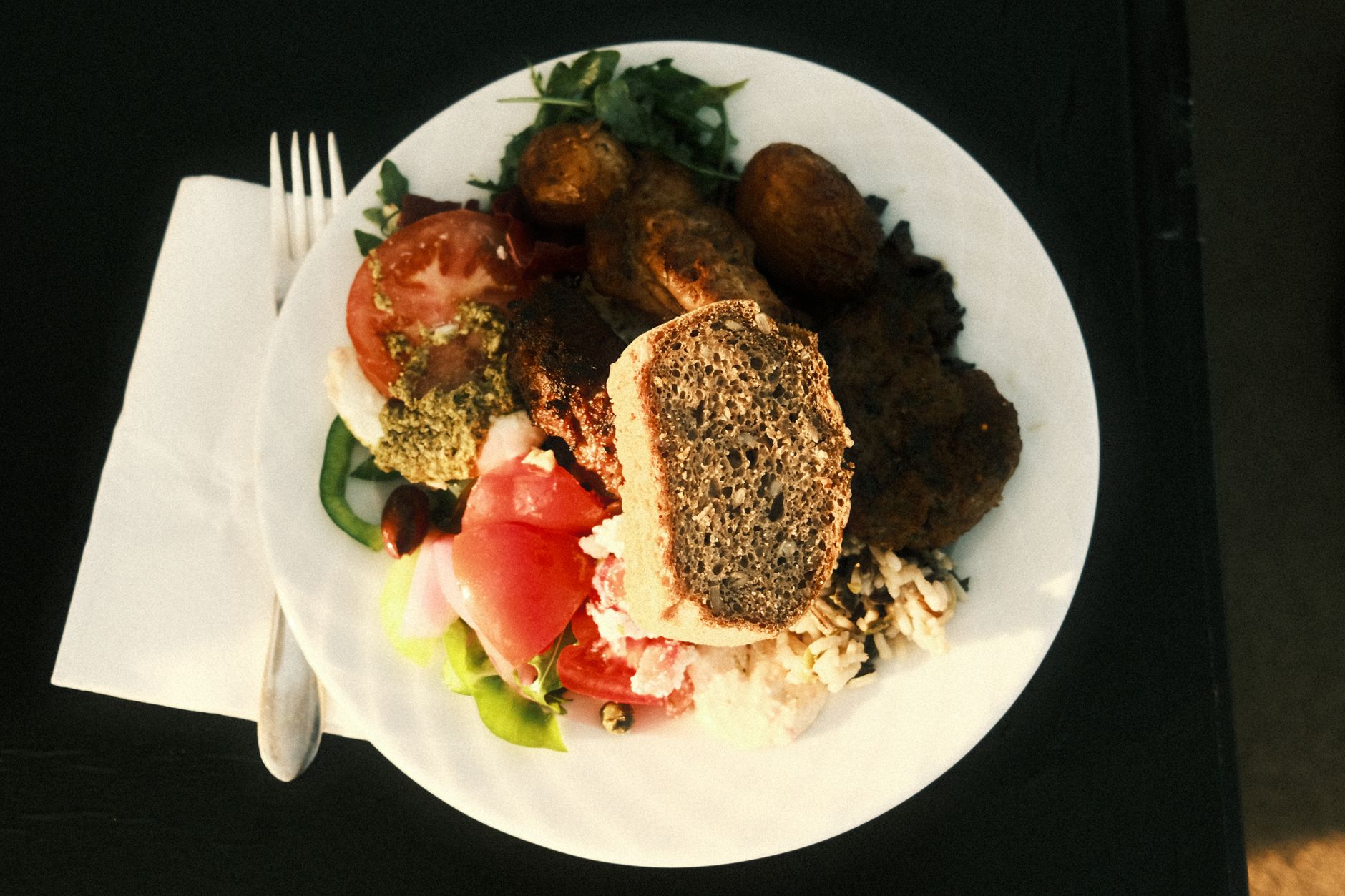
If you’re trying to get organized around preconception nutrition, a fertility diet meal plan can make everyday eating feel more consistent. The goal is not perfection; it is a steady pattern of balanced meals for fertility that supports folate, iron, omega-3 fats, fiber, and enough overall energy.
This guide is practical and US-focused, with Mediterranean fertility diet ideas, a sample day, a fertility grocery list, and an easy template you can repeat. It is educational only, so if you are managing a medical condition, take medications, or have specific fertility concerns, use this as a meal-planning starting point and check in with a clinician or registered dietitian.
A fertility diet meal plan is less about special foods and more about steady nutrition habits. In practice, that means meals with protein, high-fiber carbs, and fats that help you stay satisfied and avoid the all-day grazing that can make planning harder.
The Mediterranean fertility diet pattern is a strong place to start because it naturally includes beans, lentils, seafood, eggs, yogurt, vegetables, fruit, olive oil, and nuts. If you want a deeper background on that eating style, see Mediterranean Diet for Beginners: What to Eat in the First Week and Easy Mediterranean Breakfast Ideas.
Folate, iron, omega-3 fats, choline, calcium, and fiber are common nutrition priorities during preconception planning. You do not need to chase every nutrient at once; instead, aim for a few food groups that show up repeatedly during the week.
For example, folate shows up in leafy greens, beans, lentils, asparagus, and citrus. Iron can come from beans, lentils, tofu, sardines, lean red meat, and fortified grains, while omega-3s are commonly found in salmon, sardines, trout, chia seeds, and walnuts. For a practical overview of supplements and food-first planning, this guide on Supplements: When You Need Them (and When You Don’t) can help you think through the basics.
A good rule is: half the plate vegetables and fruit, one quarter protein, and one quarter starch or grain, plus a source of fat. That structure is flexible enough for breakfast, lunch, dinner, and snacks, and it works well for many US grocery stores and budgets.
If you struggle to keep a routine, make the meals boring in a good way. Repeat a few breakfasts, rotate two or three lunches, and keep a short list of dinners you can cook in 20 to 30 minutes. If you need a broader system, Meal Planning for Busy Schedules: Weekly Guide 2026 and Quick Healthy Lunch Ideas are useful companions.
Here is a simple fertility friendly meal plan for one day. It is intentionally realistic, not fancy, and it can be scaled up or down depending on appetite, schedule, and activity level.
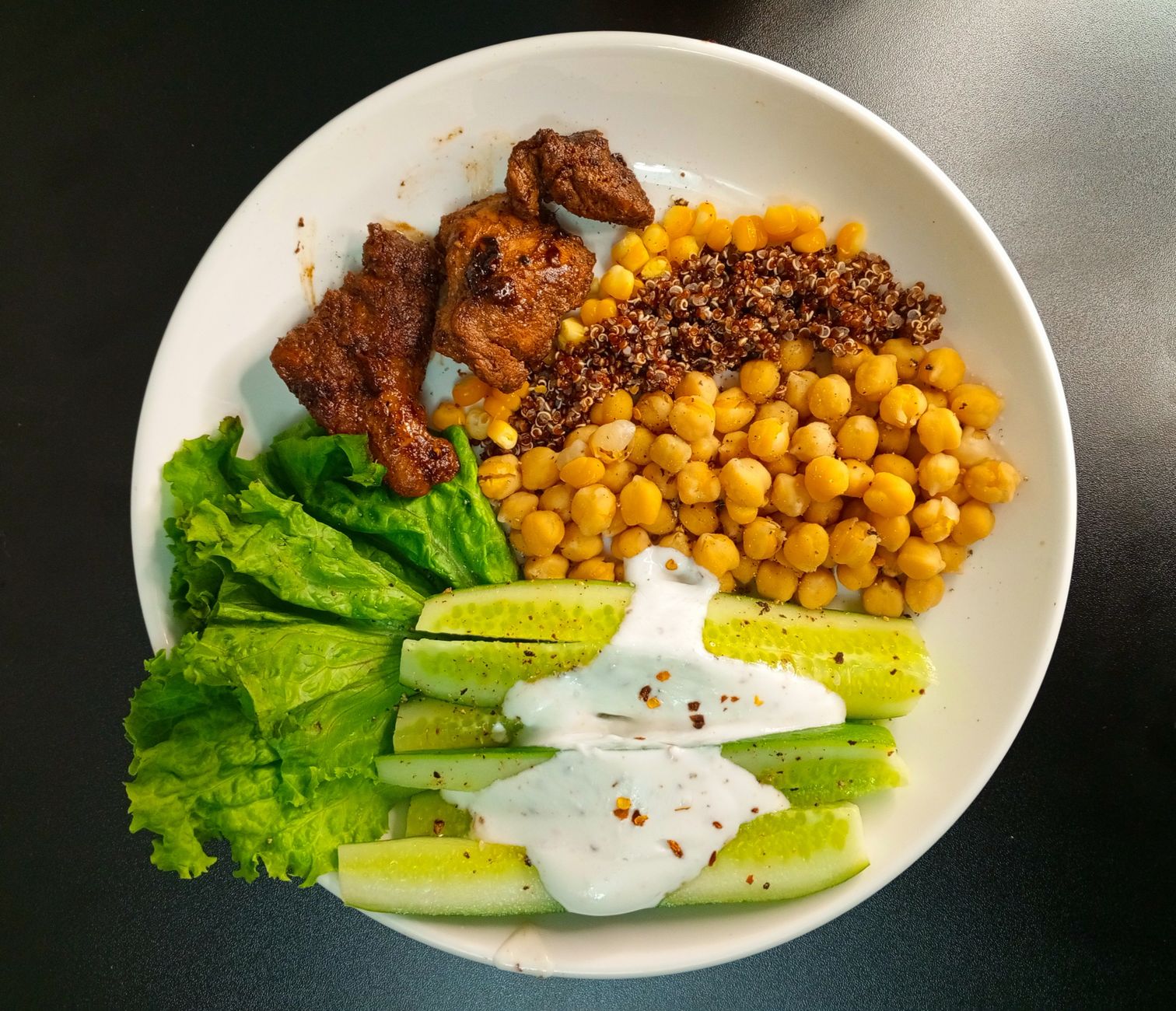
Sample day: Breakfast: Greek yogurt with oats, berries, and chia seeds. Lunch: salmon salad bowl with brown rice, spinach, cucumber, tomatoes, olive oil, and lemon. Snack: apple with peanut butter. Dinner: lentil and vegetable soup with whole-grain toast and a side salad.
Use this as a preconception nutrition meals template rather than a rigid menu. Pick one option from each category and repeat the combinations that are easy to shop for and prep.
If you want an example of how to keep breakfast and lunch rotation-friendly, look at Top 10 Healthy Breakfasts for Busy Mornings and Quick Healthy Lunch Ideas. For busy weeks, a short routine often works better than a complicated plan.
Direct verdict: If you want the easiest path, choose the template above and repeat 3 breakfasts, 3 lunches, and 4 dinners for the week. If you enjoy variety, keep the same structure and swap ingredients by season or store sale.
A fertility grocery list works best when it is short and repetitive. The point is to stock ingredients that can become breakfast, lunch, and dinner without a lot of extra steps or specialty shopping.
Use seasonal produce when possible, and keep your pantry anchored with shelf-stable staples. For smart buying and timing, Seasonal Grocery Shopping (US): What to Buy When and Smart Bulk Buying and Freezing (2026) can help you cut down on waste.
That list supports a Mediterranean fertility diet without forcing you into specialty products. If you want to tighten the plan further, this guide on How to Spot Nutrition Misinformation can help you filter out hype and stay grounded in practical food choices.
For more ideas on setting up the week quickly, Quick Meal Planning: Build a 30-Minute Weekly Plan is a good companion guide. A short prep session can make a fertility friendly meal plan feel much easier to follow all week.
For background nutrition decisions around this plan, review supplement basics, nutrition science basics, balanced plate basics, weekly grocery routines.
For neutral background, cross-check the nutrition and planning claims with CDC folic acid guidance, MedlinePlus folic acid guidance, Dietary Guidelines for Americans.
What foods should be included in a fertility diet meal plan?
Focus on beans, lentils, leafy greens, fruit, whole grains, eggs, yogurt, fish, nuts, seeds, and olive oil. These foods make it easier to build balanced meals for fertility without overcomplicating the menu.
Is a Mediterranean fertility diet a good default?
Yes, because it naturally emphasizes minimally processed foods, healthy fats, seafood, legumes, and vegetables. It is flexible, familiar to many US shoppers, and easy to turn into repeatable meals.
Do I need fertility-specific supplements?
Not necessarily. Many people start with food first and then discuss supplements with a clinician based on their diet, lab work, and personal needs.
Can this plan work if I am vegetarian?
Yes. Swap fish and meat for tofu, tempeh, edamame, beans, lentils, eggs, Greek yogurt, nuts, and seeds while keeping the same meal structure.
How strict should preconception nutrition meals be?
They should be consistent, not rigid. A strong plan is the one you can repeat during normal workweeks, travel days, and busy evenings.
When should I talk to a clinician?
Talk to a clinician or registered dietitian if you have a diagnosed condition, take medications, have a history of disordered eating, or need individualized guidance. Food planning is helpful, but it is not a substitute for medical care.
A fertility diet meal plan works best when it is simple, repeatable, and built from familiar foods. Start with a Mediterranean-style pattern, keep a short grocery list, and use a few templates you can rotate each week. If you need personalized guidance, bring this plan to a clinician or registered dietitian and adjust from there.