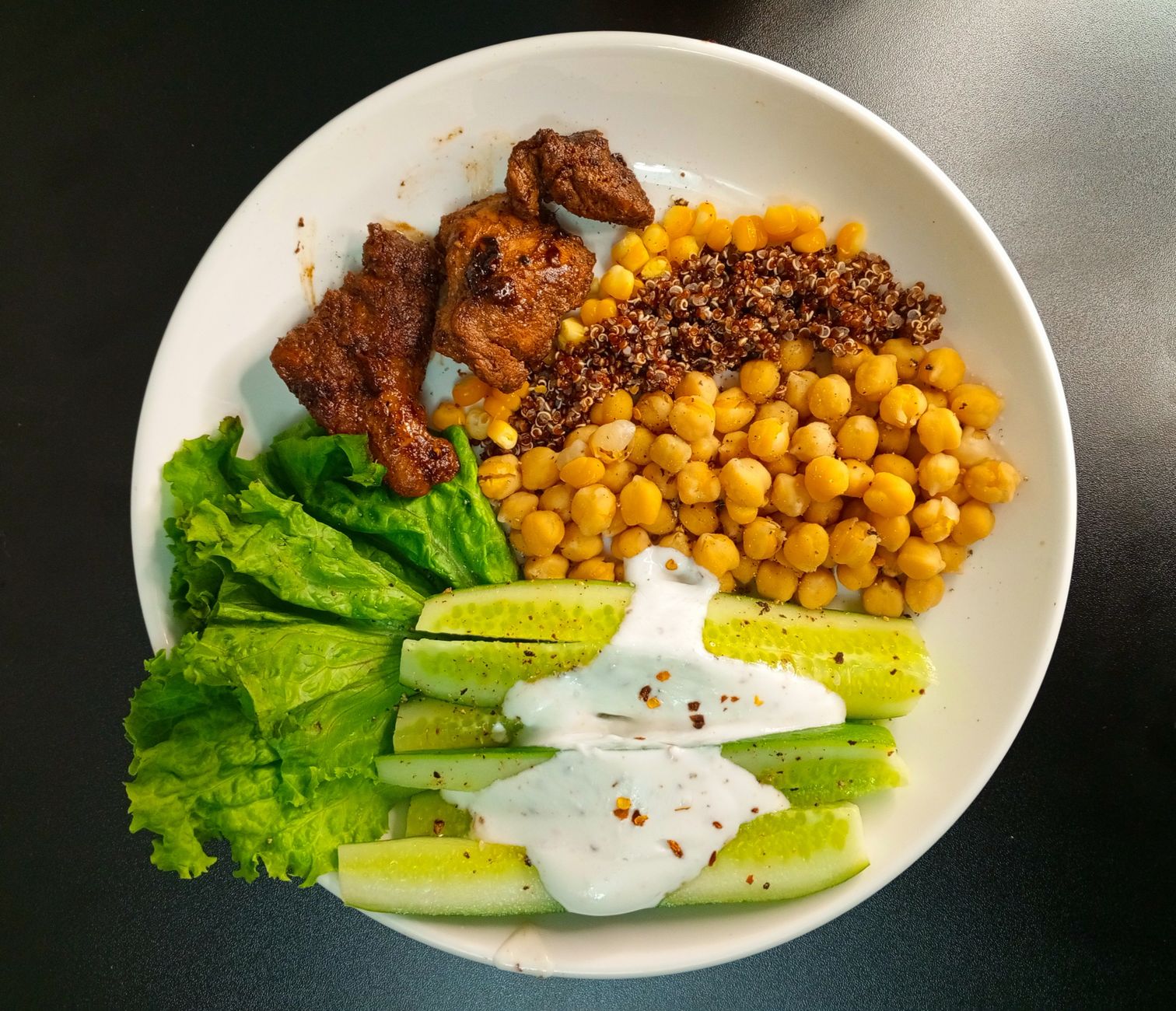

October 2, 2026
A practical 2026 guide to nutrition science: what matters most, how to read headlines, and simple meal structure built on protein, fiber, and consistency.
TL;DR: Nutrition science gets noisy because headlines focus on single ingredients and “one weird trick” studies. What matters most is a repeatable routine built around protein, fiber, minimally processed foods most of the time, and a meal structure you can keep on busy weeks.
Most nutrition confusion comes from treating every new study like a commandment. Real science is slower. It builds confidence over time by repeating findings across different studies, different people, and real world settings.
A practical way to filter the noise is to focus on patterns that show up again and again. If a claim depends on a very specific product, a perfect schedule, or a food you cannot realistically eat most weeks, it is probably not the best foundation.
If you want a routine that is structured but not obsessive, PlanEat AI can generate a weekly meal plan and a grouped grocery list personalized to your goals, dislikes, cooking time, and basic restrictions, with simple meal swaps when a meal does not fit your week.
You do not need to memorize research papers to eat well. You just need a few principles that work across diets and make decisions easier.
Here are the big rocks:
If “clean eating” content has left you confused, it helps to separate useful habits from moral language around food. Clean Eating Explained (Beginner Guide + Grocery List) is a practical, non extreme way to think about it.
A lot of nutrition headlines are technically true but not practically useful. They often exaggerate small effects, ignore the broader diet, or assume everyone responds the same way.
Use these quick questions before you change your whole routine:
One more reality check: many “bad” foods are only a problem when they replace meals. A cookie after dinner is not the same as an all day snack pattern with no protein and no fiber. This is why habit based approaches tend to outperform ingredient fear.
If you want a clear habit framework that does not require tracking, 10 Healthy Eating Habits for a Sustainable Lifestyle can help you focus on what actually moves the needle.
You do not need a new diet. You need a simple structure that translates science into meals.
Try this weekly setup:
Then use a few templates instead of hunting for brand new recipes every day:
This routine is not flashy, but it is effective because it reduces decision fatigue. Once your baseline is solid, you can experiment with smaller changes, like a different carb source, a higher protein breakfast, or a planned afternoon snack.
If you find a weekly structure you like, PlanEat AI helps you save a plan as reusable and swap meals quickly while keeping a steady base of repeatable protein and fiber across the week.
Yes, overall it is reliable, but it is easy to misunderstand because single studies are not the full story. As more evidence accumulates, recommendations get refined. Focus on patterns supported by many studies and real world outcomes.
Not always. Many people get strong results by using consistent meal structure, prioritizing protein and fiber, and reducing ultra-processed snack meals. Tracking can help some people, but it is not required to build a solid routine.
If you can only pick one, make your meals more consistent and include a real protein source at breakfast, lunch, and dinner. That one change often reduces cravings and makes the rest of the day easier.
Use a default plan: pick a few repeatable meals and keep your grocery list simple. Also pay attention to stress and emotional triggers, because overthinking is often about anxiety, not nutrition.
A practical 2026 guide to nutrition science: what matters most, how to read headlines, and simple meal structure built on protein, fiber, and consistency.