
October 2, 2026
Ten practical healthy eating habits that focus on balanced plates, planning, hydration, smart snacks, and prep routines so you can build a sustainable lifestyle instead of cycling through short term diets.
TL;DR: Sustainable healthy eating is less about short detoxes and more about small habits you can keep for years. Focus on balanced plates, regular meals, hydration, smart snacks, and simple planning. Build a routine that fits your real life so healthy choices become the easy default, not a constant willpower battle.
Quick fixes and strict challenges can work for a few weeks but usually collapse as soon as life gets busy. Habits work differently. Tiny actions repeated most days quietly shape your energy, cravings, and weight over time.
Below you will find ten habits that work together. You do not need to adopt them all at once. Start with one or two, make them feel automatic, then layer in the next.
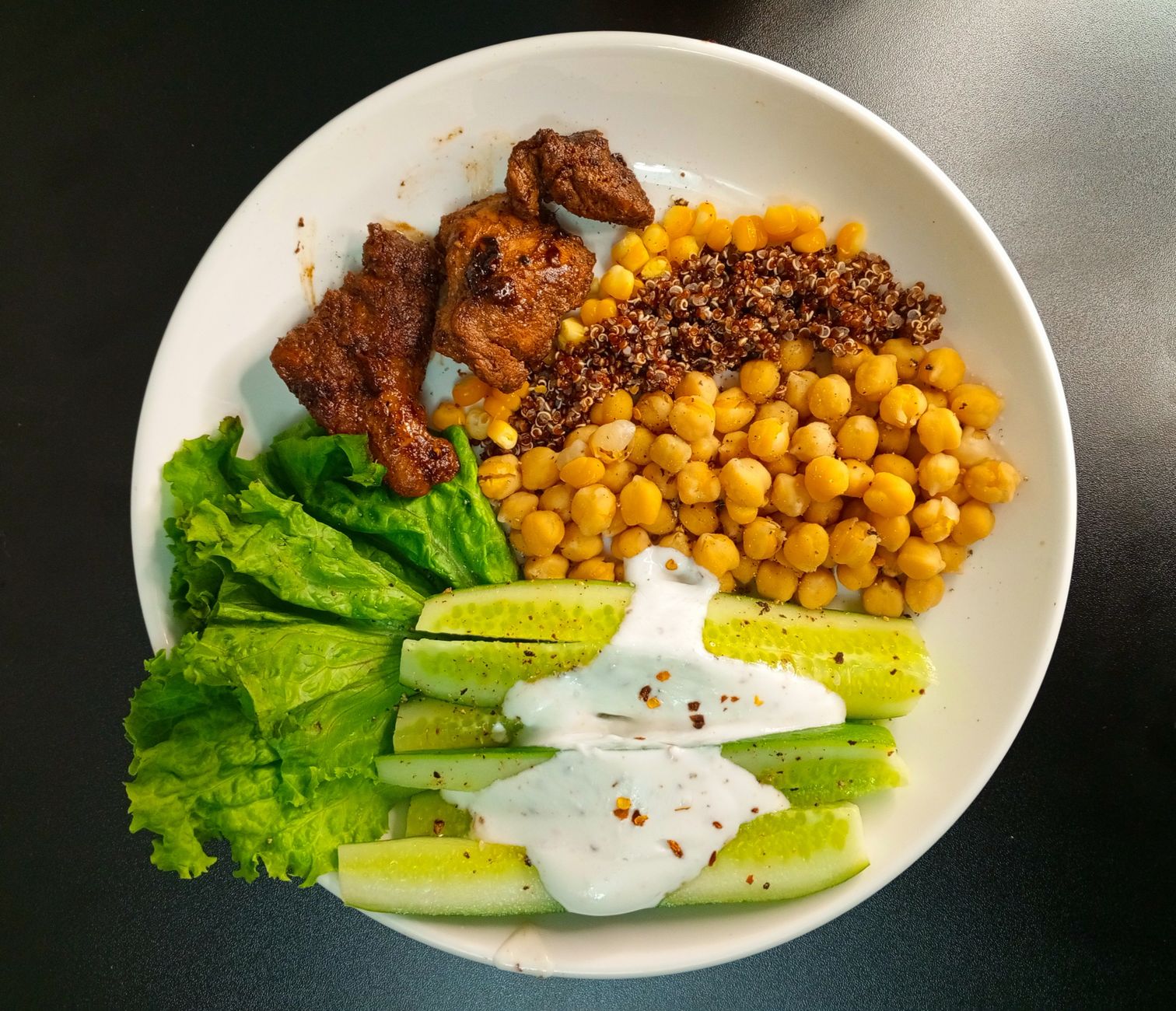
If you want a simple visual of what your meals are aiming for overall, start with Healthy Eating Basics: Build a Balanced Plate and keep that pattern in mind as you read.
Balanced plates are the base that makes everything else easier.
Simple pattern for most meals:
This structure helps you stay satisfied between meals and reduces random snacking. It does not have to be perfect. Think in rough portions and colors, not exact numbers.
Long gaps followed by huge meals make it harder to listen to hunger and fullness. Low protein can leave you constantly hungry.
Helpful guidelines:
Protein can be eggs, Greek yogurt, cottage cheese, beans, lentils, tofu, fish, or poultry. Regular meals with enough protein support stable energy and make evening overeating less likely.
Most last minute takeout happens because decisions pile up at the end of the day. A short planning block removes many of those decisions before the week starts.
Practical steps:
For a step by step process you can follow in about half an hour, use Quick Meal Planning: Build a 30-Minute Weekly Plan as a template.
If you want this to be even lighter, you can use PlanEat AI to turn your goals, time limits, and dislikes into a weekly meal plan and grouped grocery list. You set how many meals you need, then adjust a concrete plan instead of staring at a blank page.
Your environment often decides what you eat before you consciously choose.
Useful staples to keep at home:
For a detailed checklist you can bring to the store, use Pantry Staples: Build a Healthy Kitchen (Practical Checklist) as your reference.
Mild dehydration can feel like fatigue, headaches, or cravings. It quietly makes healthy eating harder.
Easy hydration habits:
For more detail on how much fluid most people need and how to adjust for climate and activity, see Hydration & Diet: How Much Water Do You Need?
Snacks will happen. Planning for them works better than pretending you will never snack.
Better patterns:
If sugar feels hard to control, Healthy Snacks That Actually Curb Cravings can give you ideas that calm cravings instead of feeding them.
You do not need to spend all Sunday in the kitchen. Small, focused prep blocks are usually enough.
Ideas for a one to two hour session:
For a beginner friendly structure, Meal Prep Basics: Beginner’s Guide to Cooking Ahead shows how to turn one prep session into several days of meals.
Sustainable habits allow for imperfect days. What matters is the pattern across the week, not a single meal.
Mindset shifts:
Looking at weekly patterns rather than single slip ups makes it easier to stay consistent without giving up when one day does not go as planned.
If your days are full of meetings, kids, or shifts, strict meal rules rarely last. You need flexible anchors.
Examples:
If your workdays are especially long or unpredictable, Meal Planning for Busy Professionals can help you design a pattern that survives real life, not only ideal weeks.
Some people like numbers. Others prefer simple patterns. Both can work as long as they are sustainable.
Common options:
If you are unsure which approach fits you, Calorie Counting vs Meal Planning: What Works Better compares number based and pattern based strategies so you can pick the level of detail that matches your personality.
Once you know which breakfasts, lunches, and dinners make these ten habits feel easy, you can save them as reusable plans in PlanEat AI. The app builds future weekly menus and grouped grocery lists around those patterns so your lifestyle runs more on autopilot and less on willpower.
No. Start with one theme, such as balanced plates and regular meals, and practice those two habits until they feel normal. Then add another theme. Consistent practice with a few habits beats brief perfection with many.
It varies, but many people notice that a habit starts to feel less forced after a few weeks of regular repetition. Changing your environment, like stocking your pantry and prepping a few basics, makes the process smoother.
Yes. Sustainable habits assume restaurant meals and celebrations will happen. Aim for mostly balanced, planned meals at home and treat social meals as part of the pattern, not as failures.
Focus on anchors rather than exact times. For example, always include protein at your first meal, keep one snack option ready, and have a few very quick dinners in your rotation. Then adapt the details to each week.
Not always. Some people find short term tracking useful, but many can rely on plate patterns, hunger cues, and simple weekly planning instead. The best method is the one you can see yourself doing six months from now.
Educational content only - not medical advice.
Ten practical healthy eating habits that focus on balanced plates, planning, hydration, smart snacks, and prep routines so you can build a sustainable lifestyle instead of cycling through short term diets.