
October 2, 2026
Snack ideas and simple rules that combine protein, fiber, and healthy fats so you feel satisfied between meals instead of chasing cravings all day.
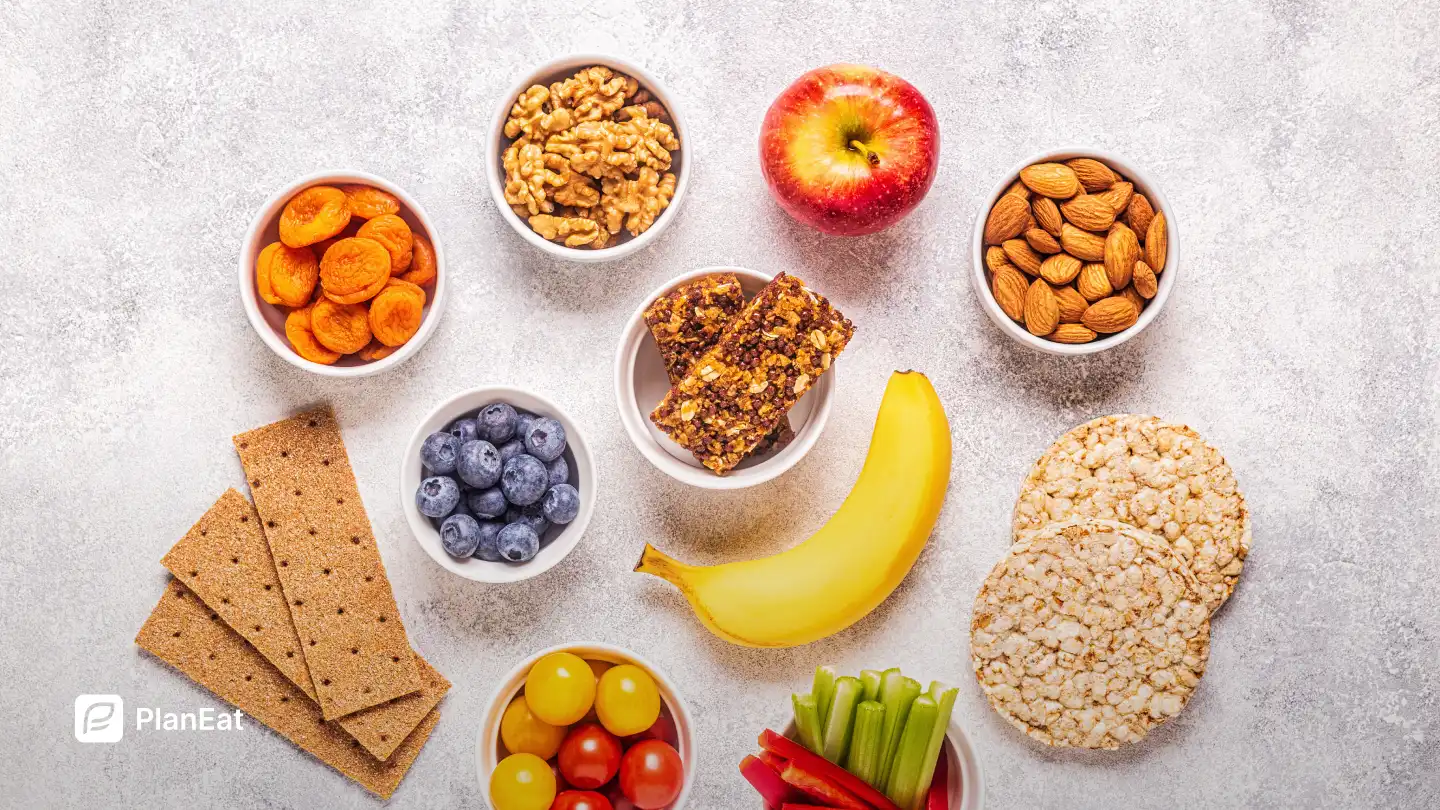
TL;DR: Snacks that truly curb cravings are not just low calorie or sugar free. They usually combine protein, fiber, and a bit of healthy fat so you feel satisfied for longer. A few repeatable snack ideas plus a simple grocery list can help you stay full between meals without feeling like you are constantly fighting your appetite.
Many popular snacks are designed to be tasty and easy to grab, not to keep you full. That is why it is easy to eat a whole bag of something and still feel like you want more.
Common problems with typical snacks:
When a snack is mostly sugar, your energy and mood may spike, then drop again, which can trigger even more cravings. A better approach is to build snacks more like a mini version of a balanced plate: some protein, some fiber, and a little fat. If you want a refresher on what that looks like at meals, you can start with the basics in Healthy Eating Basics: Build a Balanced Plate and then apply the same thinking to smaller portions.
Cravings themselves are normal. The goal is not to shut them off completely, but to understand when your body needs real fuel versus when you are bored, stressed, or simply responding to habit.
You do not need complicated macros for snacks. A few simple rules help most people feel more satisfied.
Protein and fiber slow digestion and help you feel full for longer.
When you combine them, the snack works harder for you. For example, yogurt plus berries and a few nuts will usually beat a plain granola bar.
Healthy fats help with satisfaction and flavor, but they are dense, so small portions go a long way.
Instead of searching for the one perfect snack bar, use simple pieces you can mix and match:
If you often crave something sweet in particular, it can help to understand the pattern behind those cravings. For a deeper look at that side of things, you can connect this article with How to stop craving sweets all the time and use snacks that support, not fight, your appetite.
If you want your snacks to match your overall routine, you can use PlanEat AI to generate a weekly meal plan and grouped grocery list based on your goals, dislikes, and cooking time. Then you add two or three go to snack combos into that plan so your cravings are covered without separate last minute decisions.
Below are snack ideas grouped by what you are likely craving. They are meant to be templates, not strict recipes.
These combine protein and fiber, and sweetness comes mostly from fruit rather than added sugar.
Here, fiber and volume help. Popcorn, for example, takes up more space in your stomach than a handful of chips for similar calories.
These options work well when your next meal is several hours away and you know a small snack will not be enough.
If you like having a set of go to snack ingredients ready each week, you can borrow some prep ideas from 15 Simple-Recipe Meal Prep Ideas and adapt them to smaller portions and containers.
Snacks are most helpful when they support your meals, not replace them.
If you are building a larger routine around meals and snacks, you can connect this idea with the structure in Quick Meal Planning: Build a 30-Minute Weekly Plan so your snacks support the rest of your week instead of competing with it.
If you find a few snack patterns that curb your cravings, you can save them inside PlanEat AI alongside your regular meals. The app keeps your weekly plan and grouped grocery list in one place so it is easier to repeat what works and avoid buying snacks that leave you hungry.
Not usually. For many people, structured snacks with protein and fiber actually make it easier to manage cravings by preventing large drops in energy and blood sugar. The key is to snack on purpose, not graze all day.
Low calorie or sugar free snacks can fit into some plans, but they do not always satisfy hunger on their own. If a snack leaves you wanting more soon after, consider adding protein, fiber, or a bit of healthy fat instead of only chasing the lowest calorie option.
There is no single right number. Many people do well with one or two snacks per day, depending on how long their days are and how far apart meals fall. Your ideal pattern is the one that keeps you comfortably full without turning into constant eating.
First, check whether you ate enough earlier in the day, especially at dinner. A real, balanced evening meal often reduces late night cravings. If you are still hungry later, a small snack that includes protein and fiber, such as yogurt with fruit or whole grain toast with peanut butter, usually works better than sweets alone.
You do not have to. Many people find it enough to make sure most snacks include a protein source and some fiber rich food. If you enjoy tracking for a period of time to learn, you can, but it is not required for snacks to work.
Educational content only - not medical advice.
Snack ideas and simple rules that combine protein, fiber, and healthy fats so you feel satisfied between meals instead of chasing cravings all day.