
October 2, 2026
Use this high fiber diet meal plan to raise fiber gradually with a full week of meals, easier digestion tips, and a practical grocery list for beginners.
A high fiber diet meal plan works best when it increases fiber on purpose without turning your week into a stomach experiment. The goal is not just “eat more fiber.” The goal is building meals that naturally include it across the day and ramping up in a way your digestion can actually tolerate.
This 7-day guide uses familiar foods like oats, beans, berries, vegetables, fruit, and whole grains to create a steady rhythm. It is practical, not performative.
Most top-ranking pages on this topic explain the benefits of fiber, warn against increasing it too quickly, and then provide some form of sample menu or high fiber foods list. That shape is correct because the problem is rarely knowledge alone. People usually know fiber is “good.” They need a system for eating it more consistently.
That system gets easier when breakfasts and lunches stay predictable. If you map the week first, you can reuse oats, beans, fruit, and grains instead of buying a random collection of “healthy” foods. Meal Plan Calendar and Meal and Grocery Planner help keep that structure visible.
Breakfast is oatmeal with berries, chia, and sliced banana. Lunch is a black bean and rice bowl with salsa and vegetables. Dinner is salmon or tofu with quinoa and roasted broccoli. This is how a high fiber meal plan gets traction: not one “fiber food,” but multiple moderate fiber sources across the day.
Breakfast is yogurt with fruit and high-fiber cereal. Lunch is lentil soup with whole grain toast. Dinner is chicken, sweet potatoes, and Brussels sprouts. A 7 day high fiber meal plan becomes easier when one soup or bean-based lunch repeats during the week.
Breakfast is a smoothie with berries, oats, and flax. Lunch is hummus, whole grain crackers, fruit, and carrots. Dinner is chickpea pasta with tomato sauce, spinach, and white beans. This is one of the fastest ways to lift total fiber without adding strange ingredients.
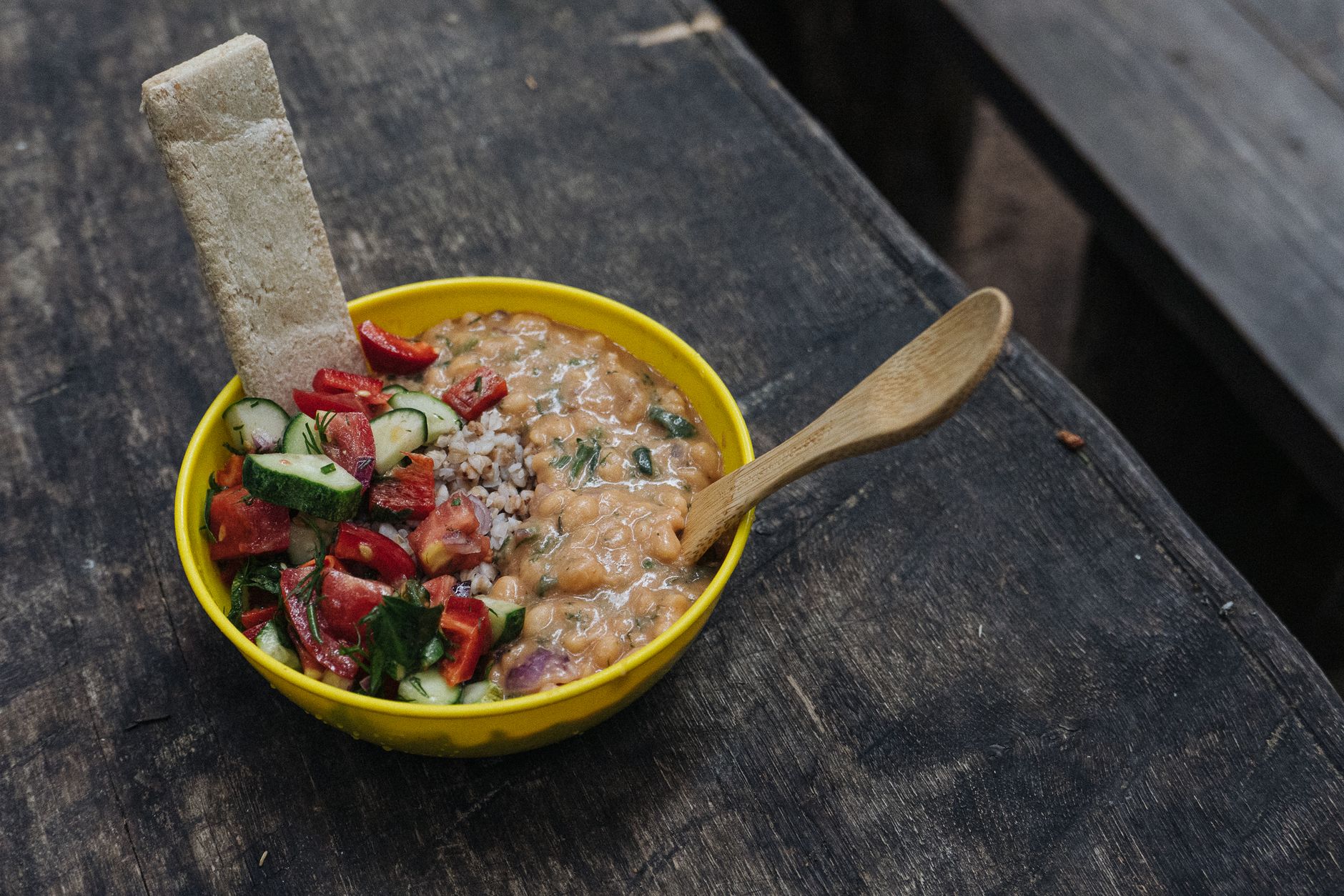
Go back to oatmeal in the morning. Lunch is leftover lentil soup. Dinner is taco salad with black beans, avocado, tomatoes, lettuce, and brown rice. A fiber rich diet plan works better when vegetables and legumes appear in meals people already like.
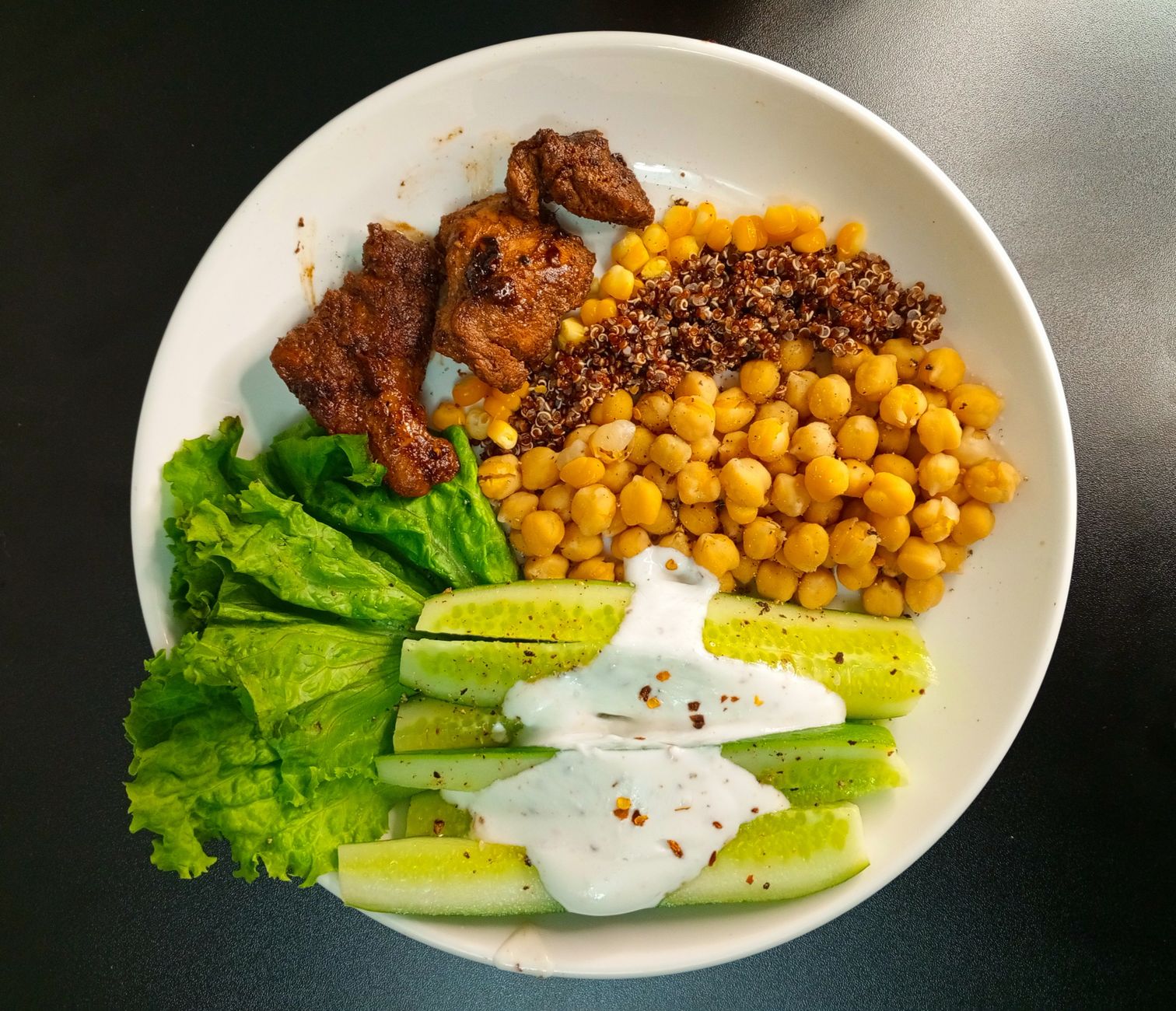
Breakfast is yogurt, oats, and apple slices. Lunch is a grain bowl with chickpeas, cucumbers, tomatoes, and greens. Dinner is baked fish or tofu with brown rice and roasted carrots. The point is not chasing the absolute highest number. The point is consistency.
Breakfast is whole grain toast with nut butter and fruit. Lunch is bean chili. Dinner is baked potatoes topped with beans, salsa, and vegetables. A 30 gram fiber meal plan often feels more natural when comfort meals carry part of the load.
Breakfast is oatmeal again, lunch is soup or leftovers, and dinner combines remaining grains, vegetables, and beans into bowls. That final day helps the high fiber foods list turn into actual food instead of leftovers that never get used.
This grocery outline keeps the week compact and realistic. It also helps the high fiber meal plan and 30 gram fiber meal plan phrases map to actual ingredients instead of abstract advice.
One of the easiest ways to keep a fiber rich diet plan practical is to prep one protein, one starch, and one cut-vegetable box ahead of time. That simple habit supports the week far better than trying to batch-cook every single meal.
That same prep logic is what turns 7 day high fiber meal plan from a search phrase into an actual routine: fewer ingredients, clearer portions, and meals that can be assembled quickly even when the day gets messy.
A useful rule here is to separate anchor ingredients from optional extras. Keep the anchor items for this high fiber diet meal plan visible and easy to reach first, then treat sauces, garnishes, and small upgrades as bonuses instead of essentials. That keeps the week from collapsing the moment one ingredient is missing.
It also helps to decide in advance which meals are allowed to trade places. If one dinner runs long, move it to a calmer day and pull a faster option forward instead of abandoning the plan entirely. That kind of flexibility is what makes a weekly meal structure durable instead of fragile.
Even a simple written backup list helps: one breakfast, one lunch, and one dinner you can assemble fast from staples already in the kitchen. That tiny layer of preparation often saves the plan more than any perfectly organized grocery spreadsheet.
High-fiber plans tend to work better when each meal contributes a moderate amount rather than one meal trying to do everything. Oats at breakfast, beans at lunch, fruit as a snack, and vegetables plus grains at dinner usually feel easier than forcing one giant fiber bomb.
It is also worth paying attention to texture and tolerance. Raw vegetables, seeds, or very high-fiber cereal may technically fit the goal but still feel rough if intake has been low. Gradual change wins here.
If your shopping routine is part of the problem, review a related PlanEat guide before the next grocery run, then keep only the ingredients that support this week’s menu.
Competitors often give a perfect-looking fiber total without talking enough about digestion. Increase intake gradually, drink more water, and notice how your body responds instead of trying to force a maximal-fiber week all at once. The overviews at MedlinePlus and NIDDK are useful context if you are changing intake for digestive reasons.
If you want the weekly structure without making another spreadsheet, PlanEat AI on the App Store can turn fiber-friendly foods you already like into a reusable weekly plan.
Another helpful rule is to choose one meal each week that is almost embarrassingly easy. That backup meal keeps the plan intact on the night when your original intention collides with normal life.
The plan also gets easier when you decide what “good enough” looks like before the week starts. A dinner does not need to be ideal to keep the structure working; it only needs to fit the main goal of the week and help you avoid restarting from zero the next day.
That is usually where consistency beats ambition. A simpler plan repeated calmly will outperform a more exciting one that falls apart halfway through the week.
That tradeoff matters more than people expect.
Small adjustments made early are usually easier than big rescues later.
It is easier to preserve momentum than to rebuild it after two chaotic days.
That alone saves a surprising amount of effort.
When the weekly setup starts feeling too manual, revisit this related PlanEat article and simplify the plan back down to a smaller set of repeatable meals.
A high-fiber week works best when it is steady, not dramatic. Build around repeat foods, increase gradually, and let consistency do more of the work than intensity.
That depends on the person, but many people benefit from gradually moving upward instead of trying to hit a huge number immediately.
Often because intake increased too fast, fluids stayed low, or the digestive system was not used to the sudden jump in high-fiber foods.
Oats, beans, lentils, berries, apples, vegetables, whole grains, seeds, and legumes are common high-value staples.
Yes. Repeating breakfasts, soups, or bowls often makes it easier to stay consistent and reduce waste.
A high-fiber week works best when it is steady, not dramatic. Build around repeat foods, increase gradually, and let consistency do more of the work than intensity.