
October 1, 2026
Build a high protein meal plan for women with flexible meals, realistic portions, omnivore and vegetarian proteins, meal prep, and grocery ideas for the week.
A **high protein meal plan for women** should not assume that every woman needs the same amount of protein, the same calorie intake, or the same meals. Protein needs depend on factors such as body size, activity, appetite, age, life stage, goals, and overall diet.
The most useful approach is to build regular meals around protein-rich foods, then add vegetables or fruit, carbohydrate-rich foods, and fats that fit your preferences. This guide includes both omnivore and vegetarian options and avoids turning "high protein" into a rigid number.
**Educational note:** pregnancy, breastfeeding, medical conditions, eating-disorder history, and high-level athletic training can change nutrition needs. Individualized guidance is more appropriate in those situations.
**High protein meals for women** do not need to be built around oversized servings of meat.
Useful protein foods can include:
USDA MyPlate recommends variety within the protein foods group and includes seafood, meat, poultry, eggs, beans, peas, lentils, nuts, seeds, and soy products.
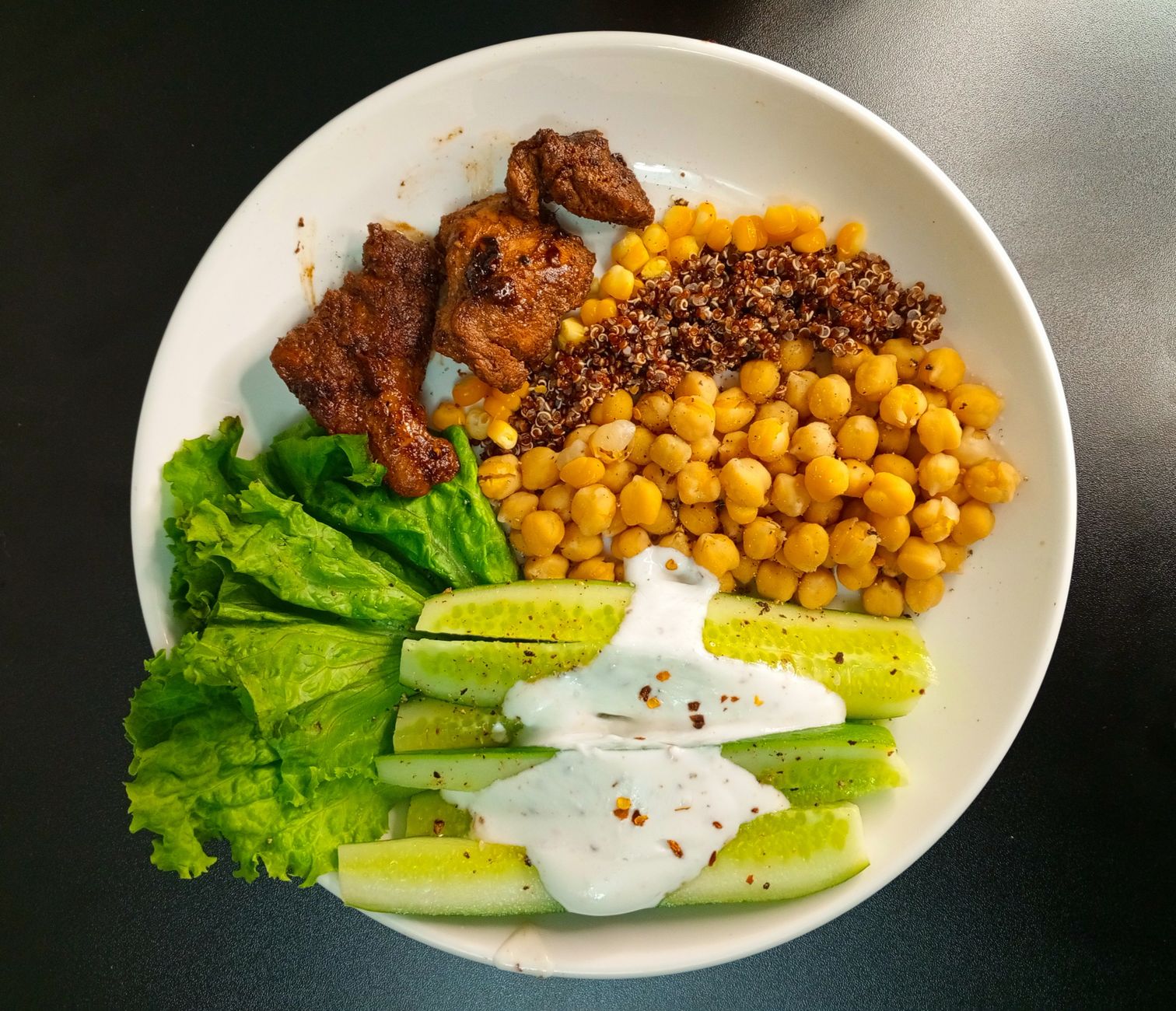
A practical meal might be Greek yogurt with oats and berries, chicken or tofu with rice and vegetables, or lentil pasta with spinach and tomato sauce.
Protein is one part of the meal. Carbohydrates, fats, vegetables, and fruit still have useful roles.
This **weekly high protein meal plan** is designed to be adjusted rather than followed as a fixed prescription.
Breakfast: Greek yogurt with oats, berries, chia seeds, and walnuts.
Lunch: Chicken or tofu rice bowl with broccoli, carrots, avocado, and a simple sauce.
Snack: Cottage cheese, soy yogurt, or edamame with fruit.
Dinner: Salmon or tempeh with potatoes and green vegetables.
Breakfast: Eggs with whole-grain toast, tomato, avocado, and fruit.
Lunch: Leftover salmon or tempeh bowl with greens.
Snack: Greek yogurt or soy yogurt with berries.
Dinner: Lentil, turkey, or bean chili with rice and vegetables.
Breakfast: Overnight oats with milk or fortified soy milk, Greek or soy yogurt, banana, and seeds.
Lunch: Leftover chili.
Snack: Hummus with vegetables plus an egg or edamame if desired.
Dinner: Chicken, tofu, or white bean pasta with spinach and tomato sauce.
Breakfast: Vegetable omelet or tofu scramble with whole-grain toast.
Lunch: Leftover pasta with salad.
Snack: Cottage cheese, yogurt, or roasted edamame.
Dinner: Chicken or tofu stir-fry with rice, broccoli, mushrooms, and carrots.
Breakfast: Greek yogurt bowl with fruit, oats, and pumpkin seeds.
Lunch: Leftover stir-fry bowl.
Snack: Apple with peanut butter.
Dinner: Fish tacos or black bean and tofu tacos with cabbage, avocado, and salsa.
Breakfast: Eggs with potatoes, spinach, and fruit.
Lunch: Taco bowl using leftover fillings.
Snack: Yogurt, edamame, or cottage cheese.
Dinner: Chicken, tofu, or chickpea-lentil curry with rice and vegetables.
Breakfast: Oatmeal with milk or soy milk, yogurt, berries, and peanut butter.
Lunch: Leftover curry.
Snack: Fruit with nuts or seeds.
Dinner: Sheet-pan chicken or tofu with potatoes, broccoli, carrots, and a bean side if desired.
**Balanced high protein meals** can include rice, potatoes, oats, bread, pasta, fruit, beans, and other carbohydrate foods.
The Academy of Nutrition and Dietetics notes that carbohydrates are an important fuel for physical activity. Even outside structured training, carbohydrate-rich foods can contribute energy, fiber, and variety.
A useful meal formula is:
For example, eggs with toast and fruit can be balanced. So can tofu with rice and vegetables. A yogurt bowl with oats, berries, and nuts can fit the same structure.
The label "high protein" should not make the rest of the plate disappear.
If you eat vegetarian meals, protein can come from several sources across the day.
Breakfast could use Greek yogurt, cottage cheese, eggs, tofu scramble, soy milk, or soy yogurt. Lunch can use lentils, chickpeas, tofu, tempeh, or edamame. Dinner might combine beans with whole grains, tofu with vegetables, or eggs with potatoes and salad.
Variety matters because different foods bring different nutrients and textures.
You do not need every vegetarian meal to contain a specialty meat substitute. Beans, lentils, tofu, tempeh, dairy foods if used, eggs if used, nuts, seeds, and soy foods can all contribute.
Useful **protein meal prep for women** should save time without making the week rigid.
Try this:
This creates flexible meals rather than identical containers.
If Wednesday becomes busy, prepared tofu and rice can turn into a quick bowl. If lunch needs to travel, yogurt, eggs, beans, or a wrap can replace a plated meal.
A practical **women high protein grocery list** can include:
Choose several options that fit your routine rather than buying every item.
Appetite and energy needs can differ dramatically between two women following the same menu.
Someone who trains several times per week may need larger meals than someone with lower activity. Life stage and body size can also matter. There is no reason to force equal portions simply because the meals are the same.
Adjust the amount of rice, potatoes, protein, fats, snacks, and other foods to your own needs.
If you want a precise protein target for athletic performance or another specific goal, use individualized guidance instead of assuming an online target applies to everyone.
If planning the week manually feels repetitive, PlanEat AI on the App Store can turn your preferences, goals, and cooking constraints into a weekly meal plan and grocery list.
There is no single number that fits every woman. Needs vary with body size, age, activity, life stage, health, and other factors.
Yes. Tofu, tempeh, beans, lentils, edamame, soy foods, eggs, dairy foods, nuts, and seeds can all contribute, depending on the dietary pattern.
You do not have to follow one exact distribution, but including protein-rich foods at breakfast can make it easier to spread intake through the day.
No. Protein is an essential nutrient for everyone. The amount appropriate for a person depends on individual needs, not simply whether they have a workout routine.
Build a high protein meal plan for women with flexible meals, realistic portions, omnivore and vegetarian proteins, meal prep, and grocery ideas for the week.

