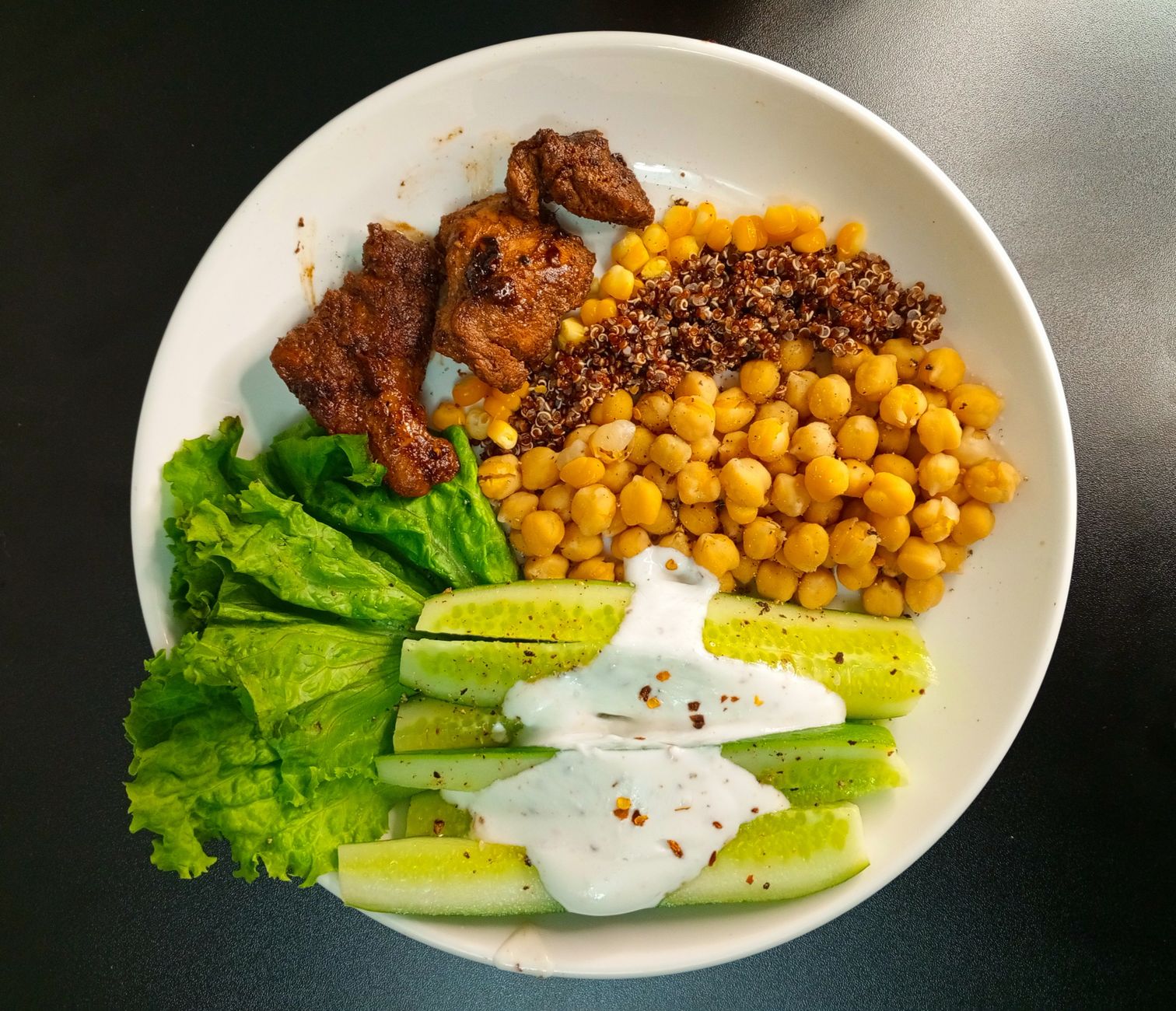

October 2, 2026
A practical 2026 guide to how AI helps meal planning, from personalized weekly menus to grouped grocery lists, plus real world examples and tips for using AI safely.
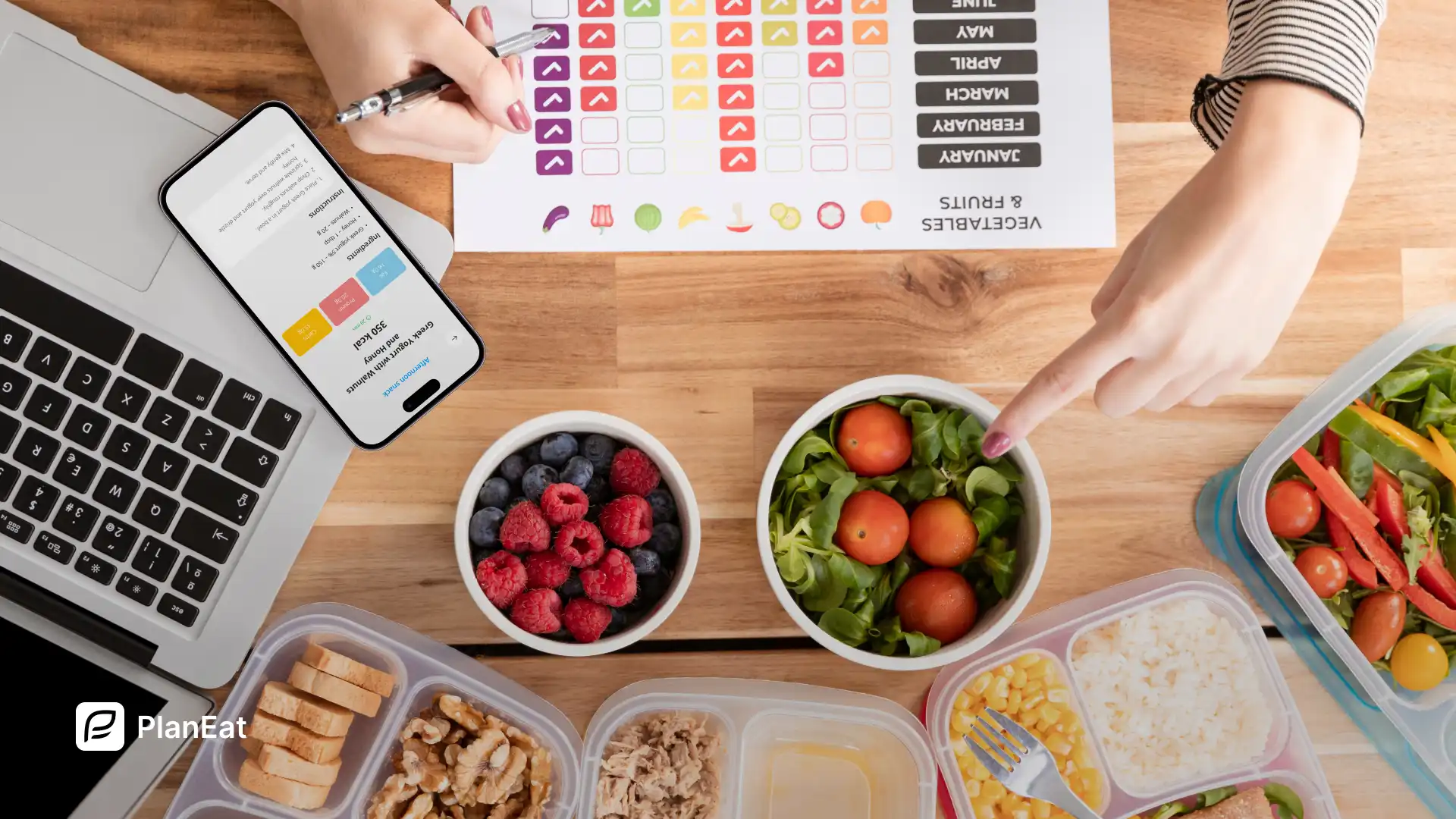
TL;DR: In 2026, AI can turn your goals, time limits, and food preferences into simple weekly menus and grouped grocery lists in minutes. It works best when you keep a clear pattern protein plus fiber at most meals and use AI as a planning assistant, not as a strict diet boss.
In plain language, an AI powered meal planner takes what it knows about you and turns that into a structured plan.
Typical inputs include:
Based on that, AI suggests meals that fit your pattern and spreads them across the week. If you are still learning what a balanced plate looks like, Healthy Eating Basics: Build a Balanced Plate is a good reference to combine with AI suggestions.
You can think of AI as a very fast planner that follows rules you set. The clearer your rules, the more useful the output.
AI is not magic, but it is very good at certain parts of meal planning.
These strengths matter most if you already have a basic structure and want help filling it, not if you are hoping AI will make every decision for you. If you need help with that starting structure, Meal Planning Basics: How to Start (Beginner Guide) walks through how to move from ideas to a realistic weekly outline.
If you want the benefits of AI without manually rebuilding a plan each Sunday, PlanEat AI can generate a weekly menu and grouped grocery list around your goals, time, and preferences, so you can focus on shopping and cooking instead of planning.
Once you tell the system about your week, AI can do several useful steps at once.
You choose or confirm:
AI suggests breakfasts, lunches, dinners, and sometimes snacks that match your profile. It can prioritize simpler recipes on busy days and slightly more involved meals when you have extra time.
Instead of a long unordered list of items, AI can group ingredients by store sections like produce, dairy, pantry, and freezer. This makes it easier to shop quickly and avoid forgetting things.
If you want to compare this approach with classic manual planning, How to Build a Weekly Meal Plan (Examples) shows how people structure weeks by hand, and 7 Day Balanced Meal Plan (With Grocery List) gives a full example you can mirror with AI.
Here is a simple three day pattern that could come from an AI based plan. The goal is not perfection, but a clear and repeatable structure.
You can reuse this mini pattern by repeating one of the days or asking AI to suggest similar meals with different proteins or vegetables. For more ideas on building fast plans around limited time, Quick Meal Planning: Build a 30 Minute Weekly Plan is a helpful next step.
When you find a combination of meals that fits your time, energy, and preferences, you can save it as a reusable plan inside PlanEat AI. Keep the same structure and grouped grocery list, then swap a few dinners or lunches instead of starting from zero every week.
AI should support your decisions, not replace your judgment.
Be realistic when you set:
The more accurate your inputs, the more practical the plan.
Calorie and macro estimates from AI tools are approximations. For most people, rough consistency is enough. If you have medical conditions or specialized goals, work with a professional and use AI plans as a general structure rather than strict instructions.
Use AI to keep a steady pattern protein plus fiber at most meals, vegetables often, and consistent meal times. For a deeper look at how AI and manual tools can work together, Using ChatGPT for Meal Planning: Best Prompts explains how to get practical answers instead of random lists of recipes.
For most people, AI meal planning is safe as long as you treat it as general education and convenience, not as medical advice. If you have health conditions, allergies, or a complex medical history, check plans with a registered dietitian or doctor before making big changes.
They are usually close enough for everyday use, but not perfect. Ingredients, portion sizes, and brands vary. Use the numbers as a guide to keep a general direction, not as exact requirements. The pattern of eating matters more than hitting one specific number every day.
Yes, especially when people have similar patterns and only a few differences. You can ask for flexible meals like bowls, tacos, or pasta that allow each person to adjust toppings or sides. This reduces the need to cook completely separate meals for each person.
No. Many tools present AI generated plans in simple lists and calendars. If you can choose preferences and read a shopping list, you can use AI based planning. Try to start with simple features weekly plan and grocery list before exploring advanced options.
Educational content only, not medical advice.
A practical 2026 guide to how AI helps meal planning, from personalized weekly menus to grouped grocery lists, plus real world examples and tips for using AI safely.