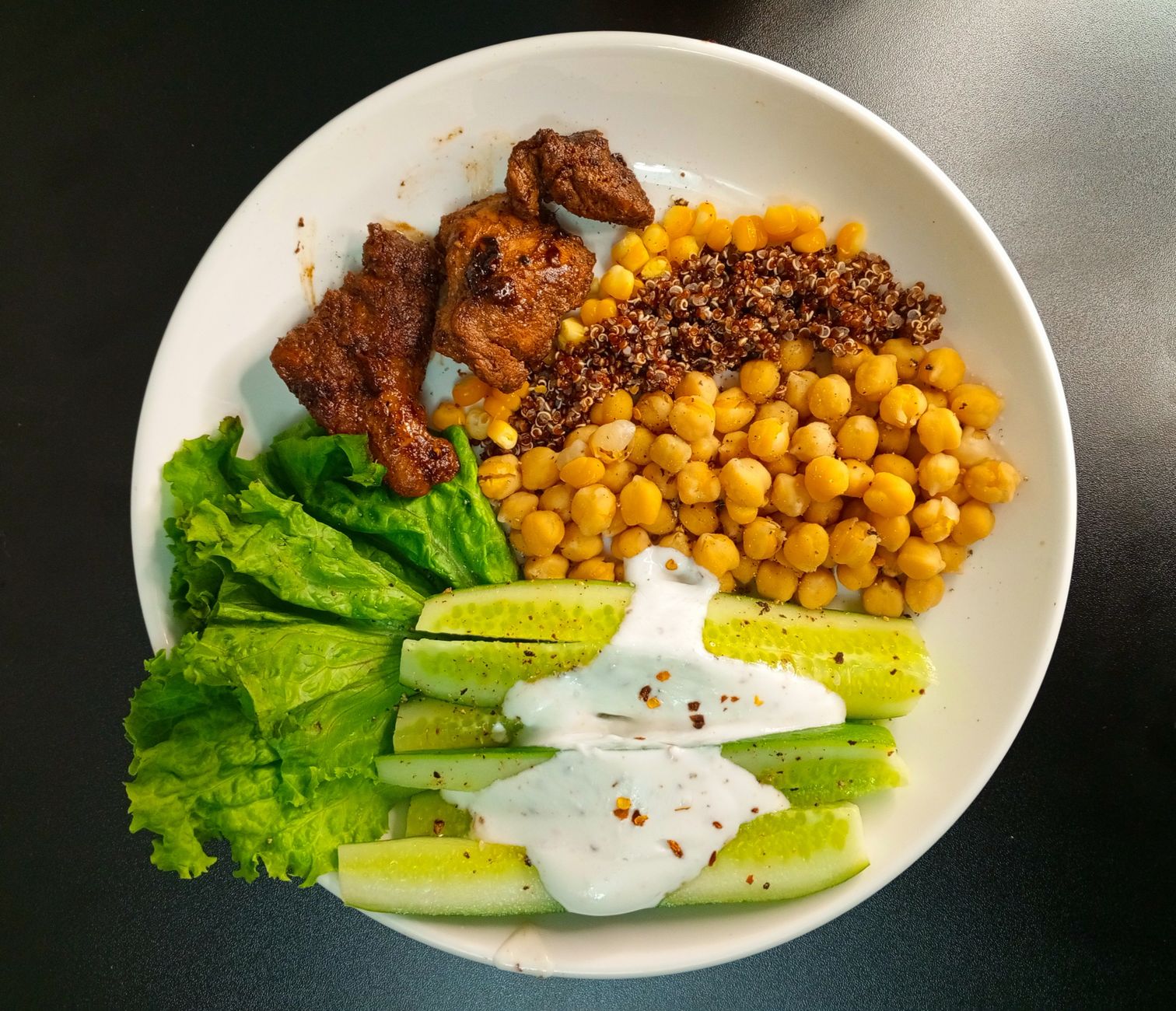

October 2, 2026
Build a lean bulking meal plan with clear macros, a full sample day, grocery list, prep tips, and easy adjustments for steady muscle gain this week now.
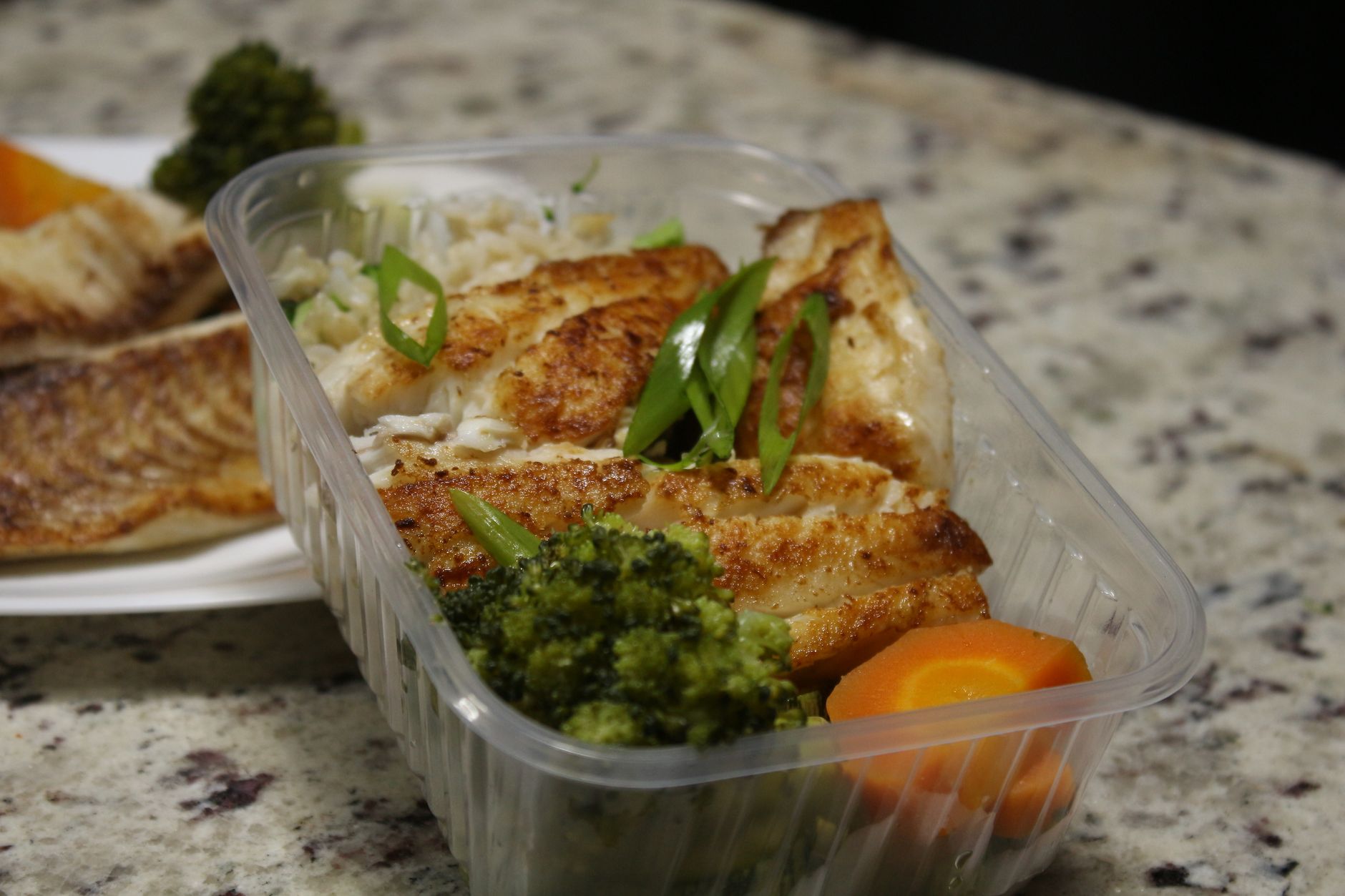
If you want to gain muscle without turning every meal into a calorie bomb, a lean bulking meal plan is the simplest place to start. The goal is steady progress: enough food to support training and recovery, but not so much that body fat climbs faster than your strength.
This guide breaks down lean bulk macros, a realistic muscle gain meal plan, a clean bulk grocery list, and a sample day you can actually repeat. If you like building meals with structure, you may also find custom meal planning and micronutrients basics useful alongside this guide.
Use a small calorie surplus, not a huge one, if you want slower, cleaner gains.
A lean bulk works best when meals are boring in a good way: repeatable, filling, and easy to shop for. You do not need a perfect formula, just a system you can follow on busy US weekdays.
For most people, a calorie surplus meal plan works best when the surplus stays small. A practical starting point is maintenance plus 200 to 300 calories per day, then nudging upward only if body weight is not moving after two weeks.
Protein is the anchor. A useful target is 0.7 to 1.0 grams of protein per pound of body weight per day, with carbs filling most of the remaining calories and fats kept moderate. For a simple framework, see protein target basics and eating for muscle and energy without macro math.
Use these as starting ranges, not rigid rules. They work for many active adults who lift 3 to 5 days per week.
If you train hard, do not fear carbs. They help support volume, recovery, and the quality of the next session. That is why many high protein bulking meals still include rice, oats, potatoes, pasta, fruit, or bagels.
For timing, keep a bigger carb meal 1 to 3 hours before training and another one after. That can be as simple as chicken and rice before the gym and Greek yogurt with fruit later in the day. If your schedule is tight, the ideas in training at night and rest vs training eating can help you distribute food more efficiently.
This sample day is built for a typical 2,700 to 3,000 calorie muscle gain meal plan, depending on portions. It is meant to show structure, not lock you into exact foods.
Think in templates: protein at every meal, a carb source at most meals, and produce somewhere on the plate. That keeps the day practical while still supporting a small surplus.
Breakfast: oats cooked with milk, Greek yogurt, berries, and peanut butter
Lunch: chicken rice bowl with beans, salsa, peppers, and avocado
Pre-workout snack: banana plus string cheese or a turkey sandwich
Dinner: salmon, potatoes, and a big serving of broccoli
Evening snack: cottage cheese with granola and fruit
This structure gives you high-protein bulking meals without requiring constant cooking. If you want more lunch and snack ideas that fit a clean bulk grocery list, browse packable lunch ideas and high-protein snacks.
A useful rule: if you are hungry all the time, add volume from fruit, potatoes, vegetables, and dairy before adding lots of extra oils or sweets. That makes the surplus easier to sustain and keeps food quality high.
A clean bulk grocery list should make meal prep faster, not more complicated. Choose a few proteins, a few carbs, several produce items, and one or two calorie-dense extras that are easy to portion.
For a US-friendly weekly shop, focus on foods that are easy to find at most grocery stores and can be mixed into multiple meals. You can also use weekly grocery routine and bulk buying and freezing to save time and reduce waste.
Weekly prep does not need to be a marathon. Cook 2 proteins, 2 carbs, and 2 vegetables, then mix and match them across lunches and dinners. That approach is especially useful if you are following a flexible meal planning system and want fewer decisions during the week.
If you prefer an app-based workflow, PlanEat AI on the App Store can help organize repeatable meals, but the real win is consistency: buy the basics, prep them once, and repeat until your calories and protein are on track.
Lean bulking works best when you treat it like a small experiment. Weigh yourself 3 to 7 mornings per week, compare weekly averages, and watch for a slow upward trend instead of day-to-day noise.
A good gain rate for many lifters is about 0.25% to 0.5% of body weight per week. If you are not gaining after two weeks, add 100 to 150 calories per day. If your waist jumps quickly or your weight rises too fast, trim 100 calories and reassess.
Training quality matters too. If lifts are stalling, you may need more carbs, more sleep, or more total food. If energy is good but weight is climbing too fast, the surplus is probably bigger than it needs to be.
Keep the system simple: one calorie target for training days, one slightly lower target for rest days if needed, and the same protein target every day. For more structure, the logic in plateau adjustments translates well to bulking, even though the direction is different.
For more structure around calories and shopping, pair this guide with protein goal planning, custom meal plan basics, weekly grocery routines, smart bulk buying and freezing.
For neutral background, cross-check the nutrition and planning claims with MedlinePlus guidance on dietary protein, CDC guidance on fruits and vegetables, Dietary Guidelines for Americans.
How big should a lean bulking surplus be?
Start with about 200 to 300 calories above maintenance. That is usually enough to support muscle gain without pushing body fat up quickly.
What are the best lean bulk macros?
Keep protein high, fat moderate, and use carbs to cover the rest of your calories. Most lifters do well with higher carbs on training days.
Do I need to eat the same calories every day?
No. Some people eat a bit more on training days and slightly less on rest days. The weekly average matters more than a single day.
What foods belong in a clean bulk grocery list?
Choose lean proteins, rice, oats, potatoes, fruit, vegetables, dairy, and a few calorie-dense fats like peanut butter or olive oil.
How do I know if my bulk is too aggressive?
If weight is rising fast and your waist is climbing quickly, the surplus is probably too high. Reduce calories a little and monitor for two more weeks.
Can I use meal prep for a muscle gain meal plan?
Yes. Batch-cooking proteins, carbs, and vegetables is one of the easiest ways to stay consistent without tracking every bite all day.
A lean bulking meal plan works best when it is small, repeatable, and easy to adjust. Keep protein high, carbs strong around training, and calories only a little above maintenance. If progress stalls, make one small change at a time and give it two weeks before changing again.