
October 2, 2026
Build a macronutrient meal plan with protein, carb, and fat targets, sample meals, grocery tips, and a flexible weekly planning method.
A macronutrient meal plan is a practical way to organize protein, carbohydrates, and fat across the week so your meals support your goal without turning dinner into math homework. The best version gives you enough structure to shop and prep, but enough flexibility to swap foods when real life changes.
Macronutrients are the nutrients that provide energy: protein, carbohydrates, and fat. A meal plan based on macros turns those categories into meals you can actually prepare. Instead of asking, “What should I eat?” at every meal, you ask a narrower question: “What protein, carb, produce, and fat fit here?”
That structure matches the same balanced-plate logic behind the Harvard Healthy Eating Plate. It also pairs well with the label-reading basics from the FDA Nutrition Facts Label guide, especially when packaged foods are part of your week.
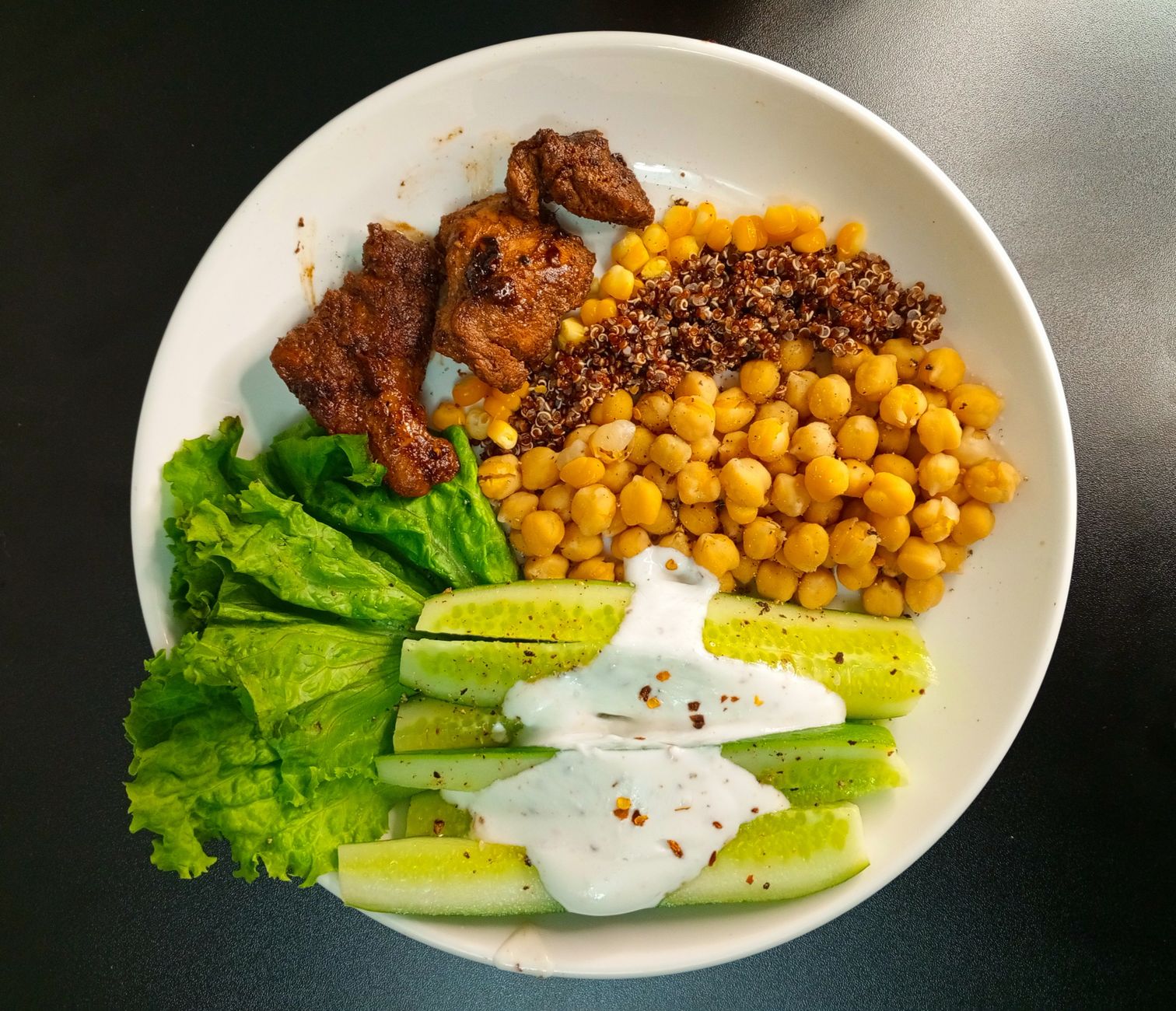
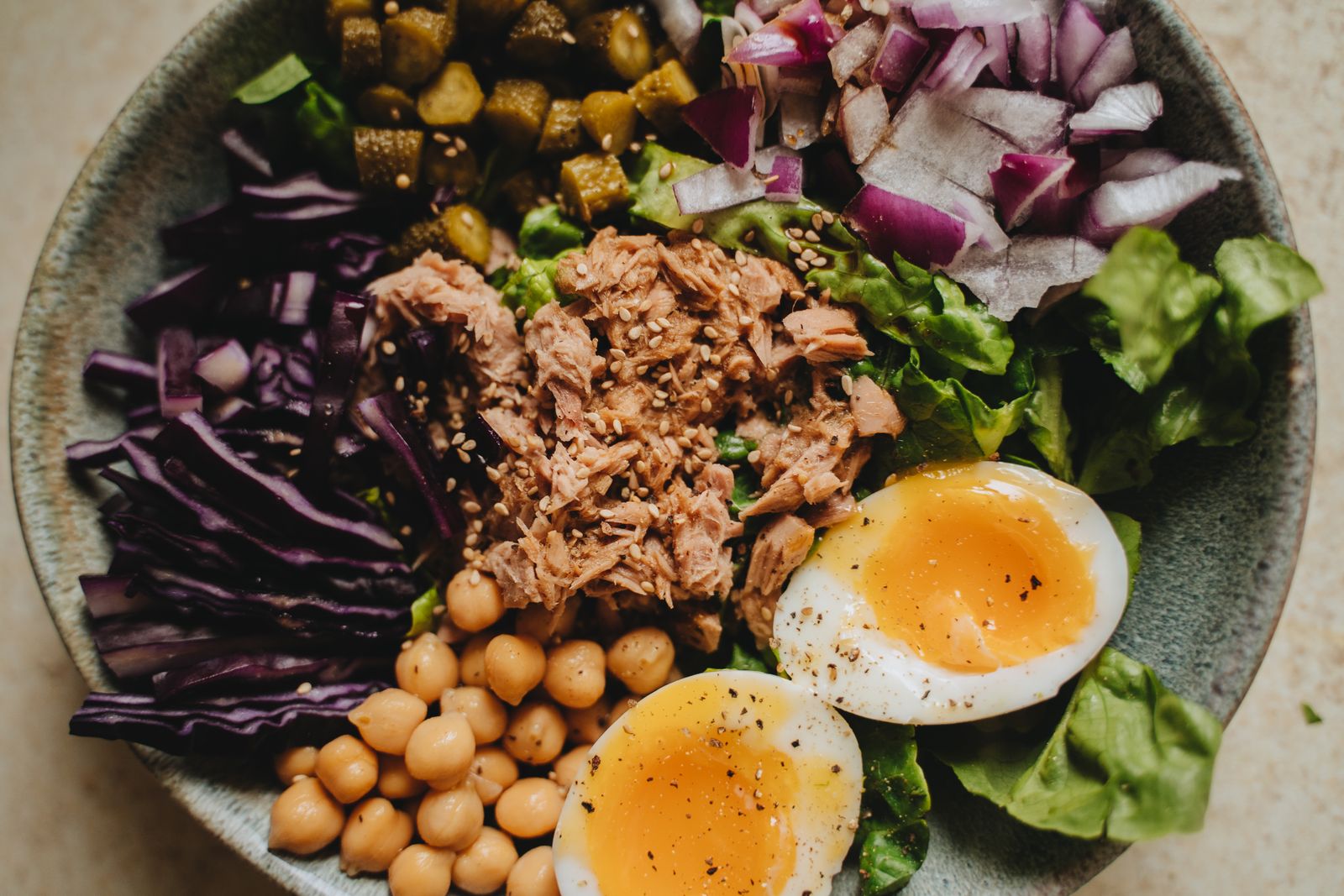
Most beginners do not need an extreme macronutrient split. Start with a simple protein carbs fat meal plan: protein at breakfast, lunch, and dinner; fiber-rich carbohydrates around the meals where you need the most energy; and moderate fats from olive oil, avocado, nuts, seeds, eggs, or dairy if tolerated.
If you already know your calorie target, macros can be layered on top. If you do not, use the planning basics in Meal Planning Basics first, then refine portions after the week feels manageable.
| Meal | Simple macro build |
|---|---|
| Breakfast | Greek yogurt, oats, berries, chia, and a spoon of peanut butter. |
| Lunch | Chicken or tofu bowl with rice, greens, vegetables, and olive-oil dressing. |
| Snack | Cottage cheese or edamame with fruit. |
| Dinner | Salmon, beans, or tempeh with potatoes, roasted vegetables, and salad. |
The easiest macro meal planning system uses two breakfasts, two lunches, and three dinners. Repetition is not a weakness; it is how the plan survives work, errands, and low-energy nights. For a busier week, borrow the rotation style from Meal Planning for Busy Schedules.
If you want to execute this without rebuilding the whole week by hand, Build your weekly plan in PlanEat AI. Put in your goal, preferences, and constraints, then use the generated plan as a starting point instead of a rigid rulebook.
If you feel hungry every night, add protein or produce before cutting carbs further. If workouts feel flat, move more carbohydrates around training. If progress stalls for several weeks, review portions and snacks before changing every meal. The NIDDK guidance on eating and activity is a useful reminder that food patterns and movement work together.
For a more general weekly template, use 7-Day Balanced Meal Plan With Grocery List as a base and adjust macro portions from there.
A macronutrient meal plan organizes meals around protein, carbohydrates, and fat so your daily food choices match your energy, training, or weight-management goal.
Many beginners do well starting with protein at each meal, moderate carbohydrates around active parts of the day, and enough fat to make meals satisfying. Exact percentages should be adjusted to appetite and results.
No. Counting can teach portion awareness, but a repeatable plate method with protein, fiber-rich carbs, produce, and healthy fat is enough for many people.
Give a macro plan two to three weeks before changing it unless hunger, energy, or medical guidance requires a faster adjustment.
A useful macronutrient meal plan is not a spreadsheet you obey forever. It is a repeatable structure that helps you buy food, build balanced plates, and adjust portions without restarting every Monday.