
October 2, 2026
Good Meal Planning Apps: What to Look For Guide Plan: a practical menu, grocery list, prep notes, portion tips, and FAQ for people comparing meal planning ap...
A strong good meal planning apps should make the next week easier to execute, not just look organized. This guide is for people comparing meal planning apps before choosing one. It gives a concrete structure, practical grocery logic, and enough flexibility to adjust meals without losing the whole plan.
This good meal planning apps is built for people comparing meal planning apps before choosing one. It also covers related searches like best meal planning apps, meal planning app features, and grocery list app. The shared intent is a usable weekly system with enough detail to shop, prep, and adjust.
The plan is educational, not a medical prescription. If you manage a medical condition, pregnancy, diabetes, kidney disease, digestive disease, or an eating disorder history, confirm strict targets with a qualified professional.
Start with the behavior that matters most for this plan, then build meals around it. Protein supports fullness and repair; MedlinePlus has a clear overview of how protein works in the body. Most weekly plans work better when meals include a dependable anchor, produce, and a portion that can be scaled up or down.
General healthy eating guidance from Nutrition.gov is useful here: choose a variety of foods, keep meals balanced, and avoid building the day around one nutrient. CDC guidance on added sugar awareness can help with drinks, sauces, and packaged snack choices.
The structure repeats groceries in different formats so the week stays manageable. If you already use a meal plan for weight loss or a high protein meal plan, treat this as a more specific version of the same planning system.
| Day | Breakfast | Lunch | Snack | Dinner |
|---|---|---|---|---|
| Monday | Preference setup | Weekly menu build | Grocery list review | Prep reminders |
| Tuesday | Weekly menu build | Grocery list review | Prep reminders | Leftover adjustments |
| Wednesday | Grocery list review | Prep reminders | Leftover adjustments | Preference setup |
| Thursday | Prep reminders | Leftover adjustments | Preference setup | Weekly menu build |
| Friday | Leftover adjustments | Preference setup | Weekly menu build | Grocery list review |
| Saturday | Preference setup | Weekly menu build | Grocery list review | Prep reminders |
| Sunday | Weekly menu build | Grocery list review | Prep reminders | Leftover adjustments |
Shop by category and keep one backup meal available. That backup is what prevents one busy evening from breaking the whole week.
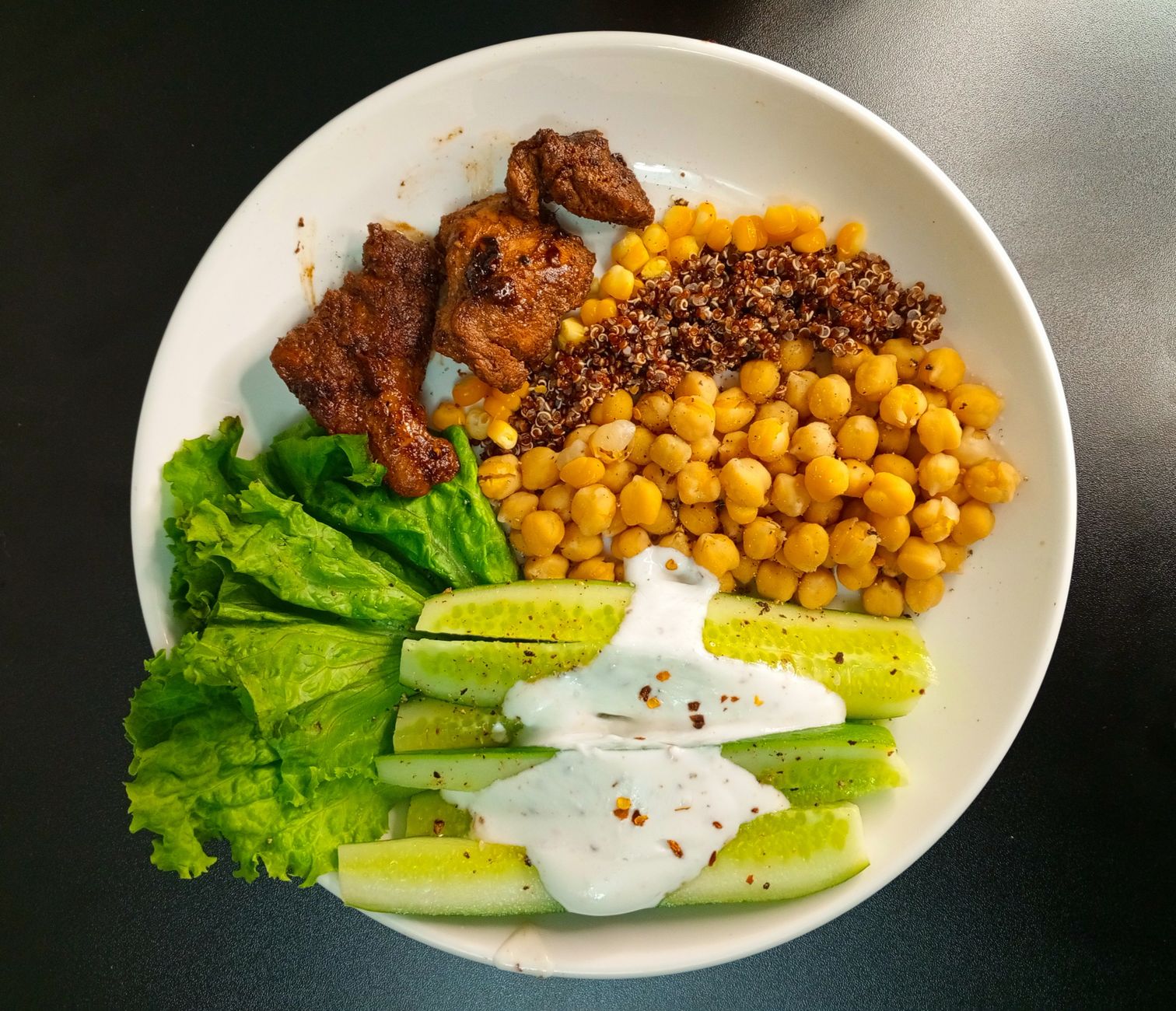
A reliable meal prep plan uses components instead of fully finished meals. Cook the slowest items first, wash produce, portion snacks, and keep sauces separate. This lets the same groceries become bowls, wraps, salads, plates, or quick leftovers.
If rebuilding your plan every week takes too long, use a tool after you understand the target. PlanEat AI on the App Store can turn preferences, schedule, and nutrition goals into a weekly plan while still letting you edit meals.
If energy is low, add a planned carbohydrate serving around the hardest part of the day. If hunger is high, add vegetables, broth-based soup, yogurt, cottage cheese, beans, or lean protein before adding random snacks. If portions feel too large, reduce added fats or starches first while protecting the main nutrient target.
For higher-calorie goals, use liquid calories, olive oil, avocado, nuts, dried fruit, and larger starch portions. For lower-calorie goals, keep the meal rhythm but use leaner proteins, more non-starchy vegetables, and measured fats.
The first mistake is counting every phrase in the article as a separate primary keyword. This page uses good meal planning apps as the primary topic. Secondary phrases like meal prep app and weekly meal planner app support the article, but they should not be counted as separate used keywords.
The second mistake is building a fragile plan. A weekly system should include leftovers, fast meals, foods you actually eat, and a backup. The third mistake is ignoring context: work hours, family meals, training days, appetite, budget, and digestion decide whether the plan survives.
Use swaps to keep the plan useful. Replace chicken with tofu, rice with potatoes, yogurt with cottage cheese, or broccoli with salad greens when those swaps fit the target. If you need a broader structure, compare this with a 7-day meal plan and keep the same plate logic.
Yes. Repeating breakfast or lunch often makes the week easier. Keep dinners more flexible if variety matters most at night.
No. Tracking can help with precision, but portions, consistency, and weekly adjustments are enough for many readers.
Yes. Prep proteins or staples, produce, starches, and snacks separately, then assemble meals close to eating time.
Swap it for a similar meal with the same role. Keep the structure, change the ingredient, and avoid restarting the whole week.
Use this good meal planning apps as a practical baseline, then adjust portions and swaps around your schedule, hunger, and goals.