
October 2, 2026
Use this meal plan 1700 calories guide with balanced meals, simple prep, portion notes, grocery planning, and a full weekly menu template with less guesswork.
meal plan 1700 calories should make eating easier, not turn every meal into a negotiation. This guide gives you a practical 7-day menu, grocery list, prep rhythm, and portion rules so the plan can work on normal weekdays.
This plan is for someone who wants structure without pretending every day has unlimited cooking time. If you are building from scratch, start with a simple weekly planning routine and then use this article as the menu layer.
The supporting pieces matter: 1700 calorie meal plan, calorie controlled menu, meal prep portions, balanced plate meals, weight loss meal planning all belong inside the week, but none of them should replace the main keyword. The main job is to make the next meal obvious before hunger and stress start making decisions for you.
Use the table as a starting point, not a contract. Swap similar proteins, vegetables, grains, or fats while keeping the same structure. For plate balance, pair it with balanced plate basics before making big changes.
| Day | Breakfast | Lunch | Dinner | Snack |
|---|---|---|---|---|
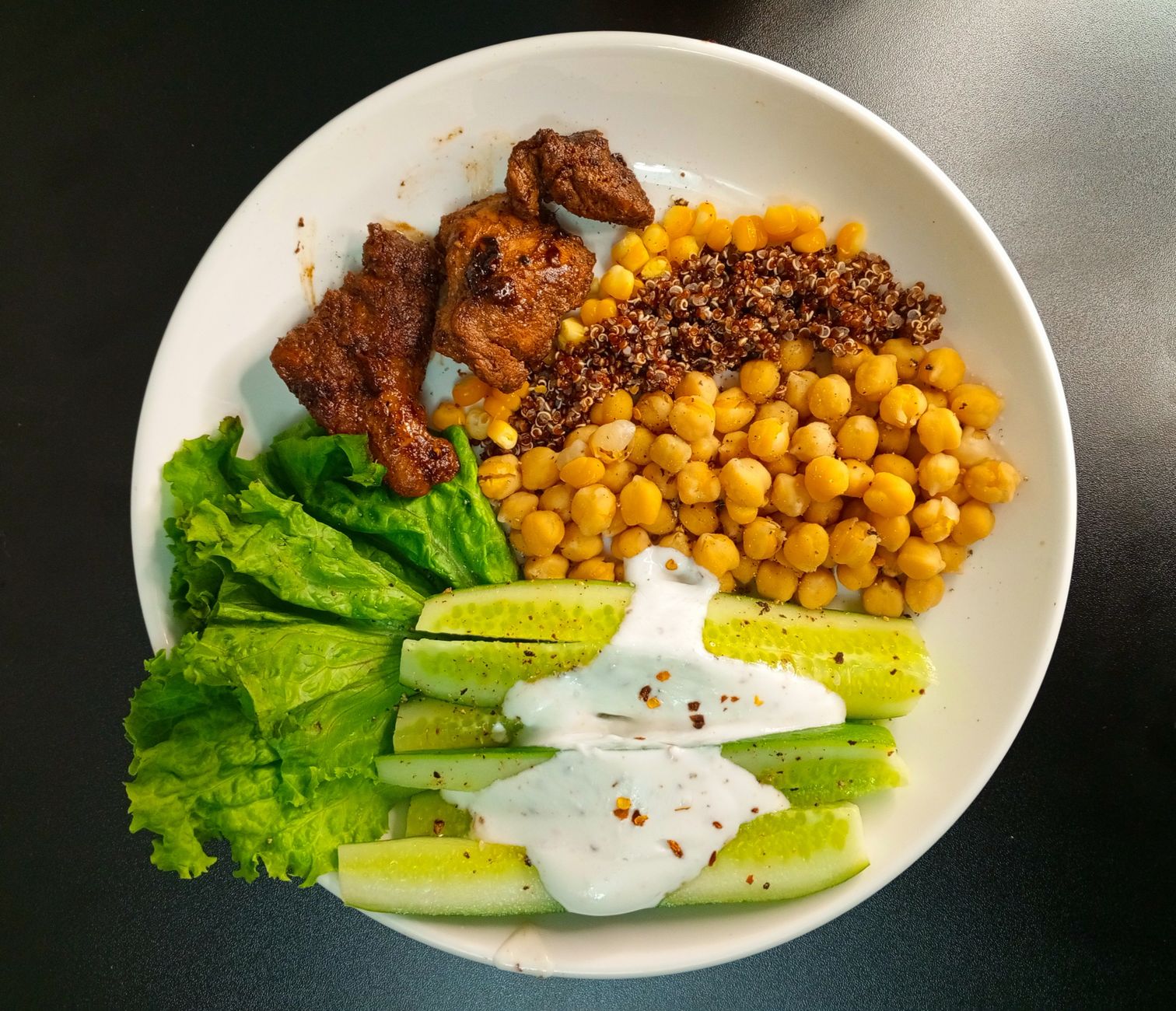
| Day 1 | Egg bites with fruit | Chicken quinoa bowl | Chicken tacos with salad | Yogurt with almonds |
| Day 2 | Egg bites with fruit | Turkey quinoa bowl | Turkey tacos with salad | Yogurt with almonds |
| Day 3 | Egg bites with fruit | Chicken quinoa bowl | Turkey tacos with salad | Yogurt with almonds |
| Day 4 | Egg bites with fruit | Turkey quinoa bowl | Chicken tacos with salad | Yogurt with almonds |
| Day 5 | Egg bites with fruit | Chicken quinoa bowl | Turkey tacos with salad | Yogurt with almonds |
| Day 6 | Egg bites with fruit | Turkey quinoa bowl | Turkey tacos with salad | Yogurt with almonds |
| Day 7 | Egg bites with fruit | Chicken quinoa bowl | Chicken tacos with salad | Yogurt with almonds |
A good grocery list makes the week smaller. Shop proteins, produce, carbs, fats, flavor, and backup items first. Then add the specific ingredients that make the plan enjoyable.
Before you shop, use a weekly grocery routine to remove ingredients you already have. Most grocery waste starts when a plan ignores the fridge.
Prep the bottlenecks, not every bite. Cook one protein, one carb, wash produce, and make one sauce or seasoning mix. This gives you fast assembly without forcing seven identical containers.
If you want the weekly menu and grocery list organized automatically, Build your weekly plan in PlanEat AI. Keep the plan practical: set the meals you know you can eat, then adjust portions and swaps as the week changes.
For busy weekends, use a two-hour meal prep block to protect the tasks that usually stop dinner from happening: chopping, cooking grains, and preparing protein.
Portions should follow the goal and the person. If energy is low, add a planned carb or snack. If meals are too large, reduce added fats or starches first. Keep protein steady when possible because it helps fullness and makes the plan easier to evaluate.
Swaps should do the same job. Trade rice for potatoes, chicken for turkey, tofu for beans, berries for citrus, or yogurt for cottage cheese. Random swaps create random grocery lists.
For general healthy eating guidance, CDC healthy eating guidance and Nutrition.gov are useful neutral references. They keep the focus on nutrient-dense foods instead of trend rules.
Protein is also worth planning deliberately. MedlinePlus explains dietary protein basics clearly, and that matters whether the plan is calorie-focused, vegetarian, performance-focused, or built for a small household.
Review the plan before the next grocery trip. Do not judge it by one imperfect meal. Judge whether it lowered decision fatigue, matched your appetite, and made shopping easier.
If the plan almost worked, keep the structure and change only the weakest part. That is usually faster and more useful than looking for a completely new template.
Start with the core target: meal plan 1700 calories. Choose repeatable meals first, then adjust portions and groceries after you see how the week feels.
Yes. Repetition is useful when it reduces waste and decision fatigue. Rotate seasonings, sauces, or vegetables if the plan starts to feel stale.
Change one variable at a time. Add or reduce starches and fats first, keep protein steady, and use hunger, energy, and progress to guide the next adjustment.
No. Tracking can help, but a planned menu, consistent grocery list, and repeatable portions are enough for many people.
Use meal plan 1700 calories as the main planning target, then keep the menu repeatable, shop from categories, and adjust one variable at a time.