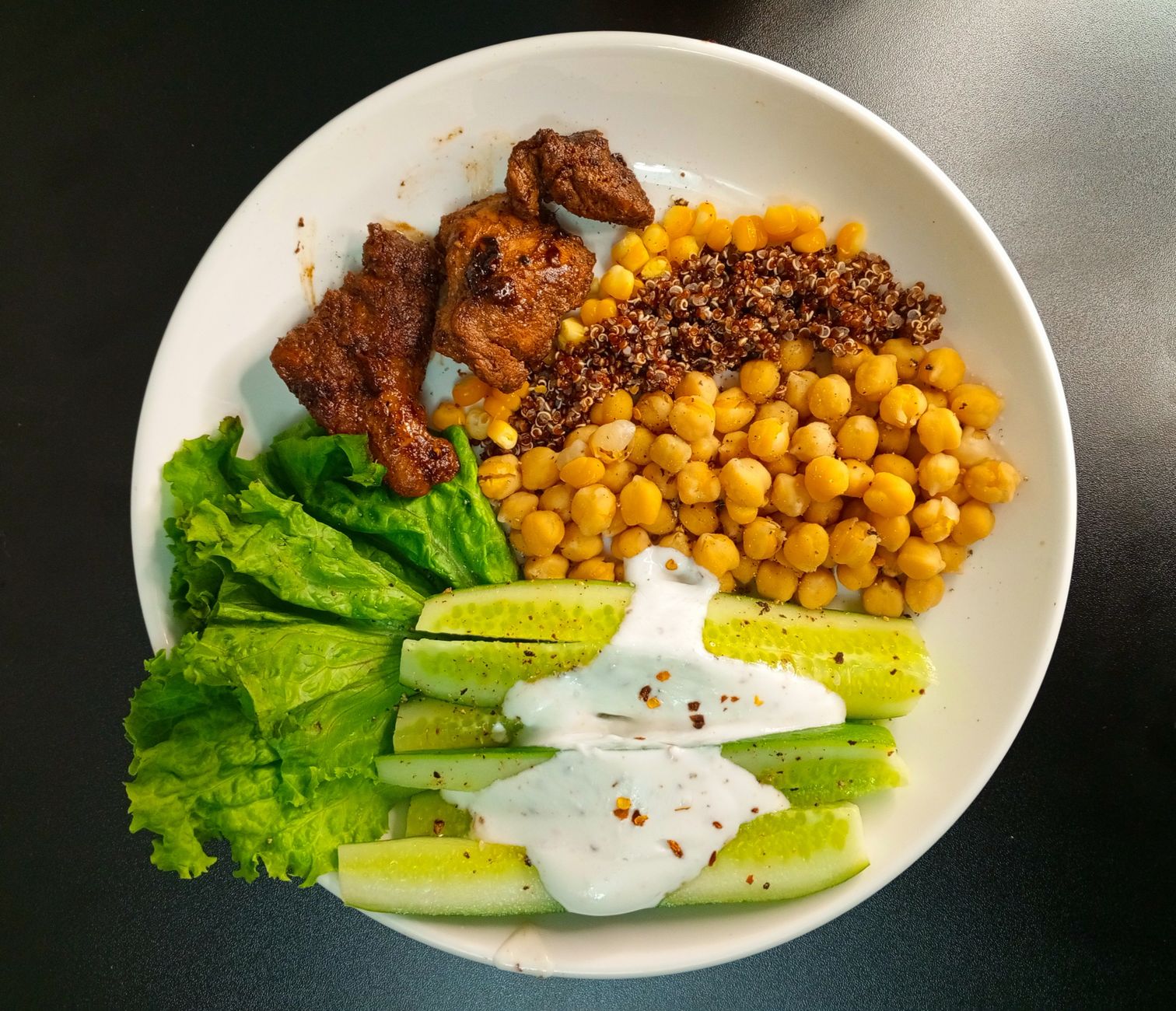

October 2, 2026
Use this Whole30 meal plan to map compliant breakfasts, lunches, dinners, and prep ideas with a realistic 7-day structure that keeps the reset easier to follow.
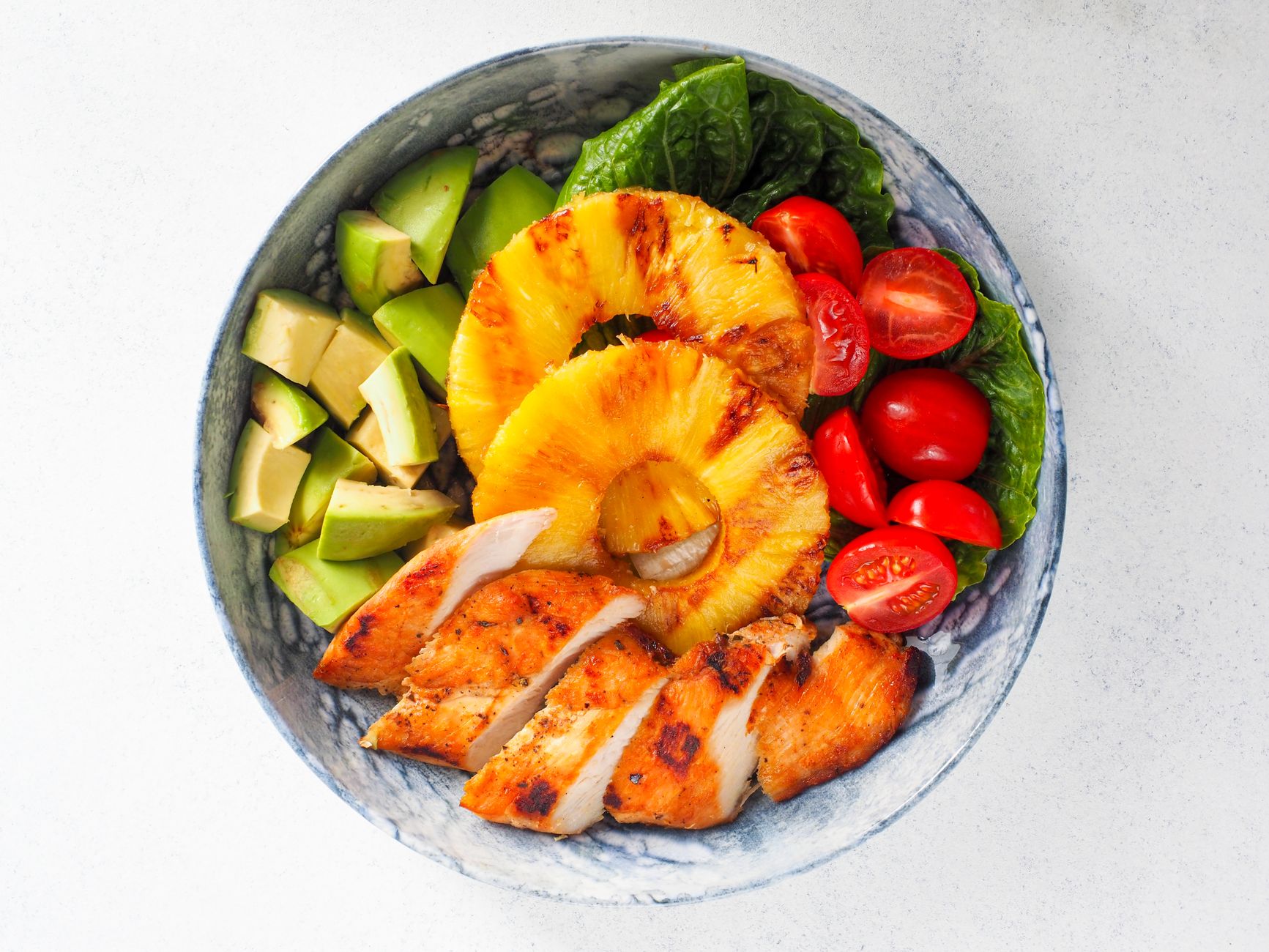
A meal plan for Whole30 diet success should do two things at the same time: keep you compliant and keep you from standing in the kitchen wondering what still counts. The rules are simpler when the meals are already decided.
This guide turns the common Whole30 food list into a realistic week of breakfasts, lunches, dinners, and emergency leftovers. The point is not culinary genius. The point is getting through the week without decision fatigue.
Top results for this keyword usually start with the rules, move into a Whole30 food list, then offer a weekly menu plus prep tips. That format works because Whole30 is less about nutrition math and more about removing off-plan decisions. Once you know what is allowed, the next problem is building a week that does not become boring or inconvenient.
That is why grocery overlap matters so much. Roast one protein, prep potatoes, wash fruit, and make one simple sauce early. If you want the planning part to move faster, the layouts in Meal Plan Calendar and Meal and Grocery Planner help turn Whole30 rules into an actual weekly system.
Breakfast is eggs with spinach and fruit. Lunch is chicken salad over greens with olive oil and lemon. Dinner is sheet-pan chicken thighs, potatoes, and broccoli. This is the kind of whole30 meal plan opening day that lowers friction immediately.
Breakfast is a breakfast hash with potatoes, peppers, and leftover chicken. Lunch is lettuce wraps with turkey and avocado. Dinner is salmon with roasted carrots and green beans. The more your whole30 weekly meal plan reuses proteins, the easier it becomes.
Breakfast is fruit and eggs again. Lunch is a compliant soup with chicken and vegetables. Dinner is a beef and vegetable skillet over roasted sweet potatoes. Official Whole30 resources push simple compliant meals for a reason: complexity is rarely the problem you need more of.
Breakfast is a smoothie bowl built from fruit and compliant ingredients if that fits your routine, or another eggs-and-fruit breakfast if not. Lunch is leftover beef over lettuce and potatoes. Dinner is taco-style turkey bowls with salsa, cauliflower rice or regular potatoes, and avocado.
Breakfast is an omelet with vegetables. Lunch is tuna salad with cucumbers and fruit. Dinner is shrimp or fish with rice-style cauliflower and roasted zucchini. A 30 day Whole30 meal plan is easier to sustain when one or two meals each week take almost no mental effort.
Breakfast stays simple with eggs and fruit. Lunch is leftover soup or a protein plate. Dinner is roast chicken, potatoes, and a salad. This is also a good day to do the next round of whole30 meal prep so the coming week is not built on willpower.
Breakfast is another protein-and-fruit combo, lunch is leftovers, and dinner uses remaining vegetables, potatoes, and protein in a skillet or tray bake. That flexible closeout day is one of the most useful parts of any whole30 meal plan.
This grocery outline keeps the week compact and realistic. It also helps the whole30 meal plan and whole30 food list phrases map to actual ingredients instead of abstract advice.
One of the easiest ways to keep a 30 day whole30 meal plan practical is to prep one protein, one starch, and one cut-vegetable box ahead of time. That simple habit supports the week far better than trying to batch-cook every single meal.
That same prep logic is what turns whole30 meal prep from a search phrase into an actual routine: fewer ingredients, clearer portions, and meals that can be assembled quickly even when the day gets messy.
A useful rule here is to separate anchor ingredients from optional extras. Keep the anchor items for this meal plan for whole30 diet visible and easy to reach first, then treat sauces, garnishes, and small upgrades as bonuses instead of essentials. That keeps the week from collapsing the moment one ingredient is missing.
It also helps to decide in advance which meals are allowed to trade places. If one dinner runs long, move it to a calmer day and pull a faster option forward instead of abandoning the plan entirely. That kind of flexibility is what makes a weekly meal structure durable instead of fragile.
Even a simple written backup list helps: one breakfast, one lunch, and one dinner you can assemble fast from staples already in the kitchen. That tiny layer of preparation often saves the plan more than any perfectly organized grocery spreadsheet.
The most common Whole30 planning mistake is underestimating how often convenience drives decisions. If compliant food is not already visible and easy to assemble, people usually reach for whatever is fastest rather than whatever fits the reset.
It also helps to define your emergency foods before the week starts. Leftover chicken, hard-boiled eggs, fruit, potatoes, and a quick compliant soup can save the plan on the days when cooking enthusiasm disappears.
If your shopping routine is part of the problem, review a related PlanEat guide before the next grocery run, then keep only the ingredients that support this week’s menu.
Competitors often over-focus on “what is allowed” and under-focus on the nightly execution problem. Whole30 usually breaks not because you forgot the rules, but because you got tired and had no prepared fallback. Keep one roast protein, one cooked starch, washed fruit, and one easy dinner in reserve. The official guides at Whole30 Meals and Whole30 meal-planning PDF are useful references for that system.
If you want compliant meals mapped out faster, Build your weekly plan in PlanEat AI and use it as the structure underneath your Whole30 food choices.
Another helpful rule is to choose one meal each week that is almost embarrassingly easy. That backup meal keeps the plan intact on the night when your original intention collides with normal life.
The plan also gets easier when you decide what “good enough” looks like before the week starts. A dinner does not need to be ideal to keep the structure working; it only needs to fit the main goal of the week and help you avoid restarting from zero the next day.
That is usually where consistency beats ambition. A simpler plan repeated calmly will outperform a more exciting one that falls apart halfway through the week.
That tradeoff matters more than people expect.
Small adjustments made early are usually easier than big rescues later.
It is easier to preserve momentum than to rebuild it after two chaotic days.
That alone saves a surprising amount of effort.
When the weekly setup starts feeling too manual, revisit this related PlanEat article and simplify the plan back down to a smaller set of repeatable meals.
Whole30 gets easier when the planning is boring in the best possible way. Decide the meals first, keep compliant ingredients visible, and let repetition carry more of the week.
Mostly simple meals built from protein, vegetables, fruit, potatoes, healthy fats, and compliant sauces, plus leftovers that make the week easier.
Usually enough to remove weeknight friction: one cooked protein, one starch, washed produce, and one backup meal can go a long way.
Yes. Repeating breakfasts or lunches is often one of the easiest ways to stay compliant without getting overwhelmed.
Simplify the menu, focus on easy compliant meals, and make sure you are eating enough rather than trying to “diet harder.”
Whole30 gets easier when the planning is boring in the best possible way. Decide the meals first, keep compliant ingredients visible, and let repetition carry more of the week.