
October 2, 2026
A practical 2026 guide to meal planning if you hate cooking. Use low-cook templates, a simple grocery core, and easy backups to eat well all week.
TL;DR: If you hate cooking, the goal is not to become a “home chef.” The goal is to make weeknight eating predictable with low-effort meals you can repeat and tweak.
Cooking is usually disliked for practical reasons: it takes time, creates mess, and requires decisions when you are already tired. A good meal plan removes friction. It relies on simple templates, a short grocery list, and a few convenience items you do not feel guilty about.
Your first win is building a baseline week where most meals require little or no active cooking. Think assembly, not recipes. When cooking does happen, it should be simple and optional.
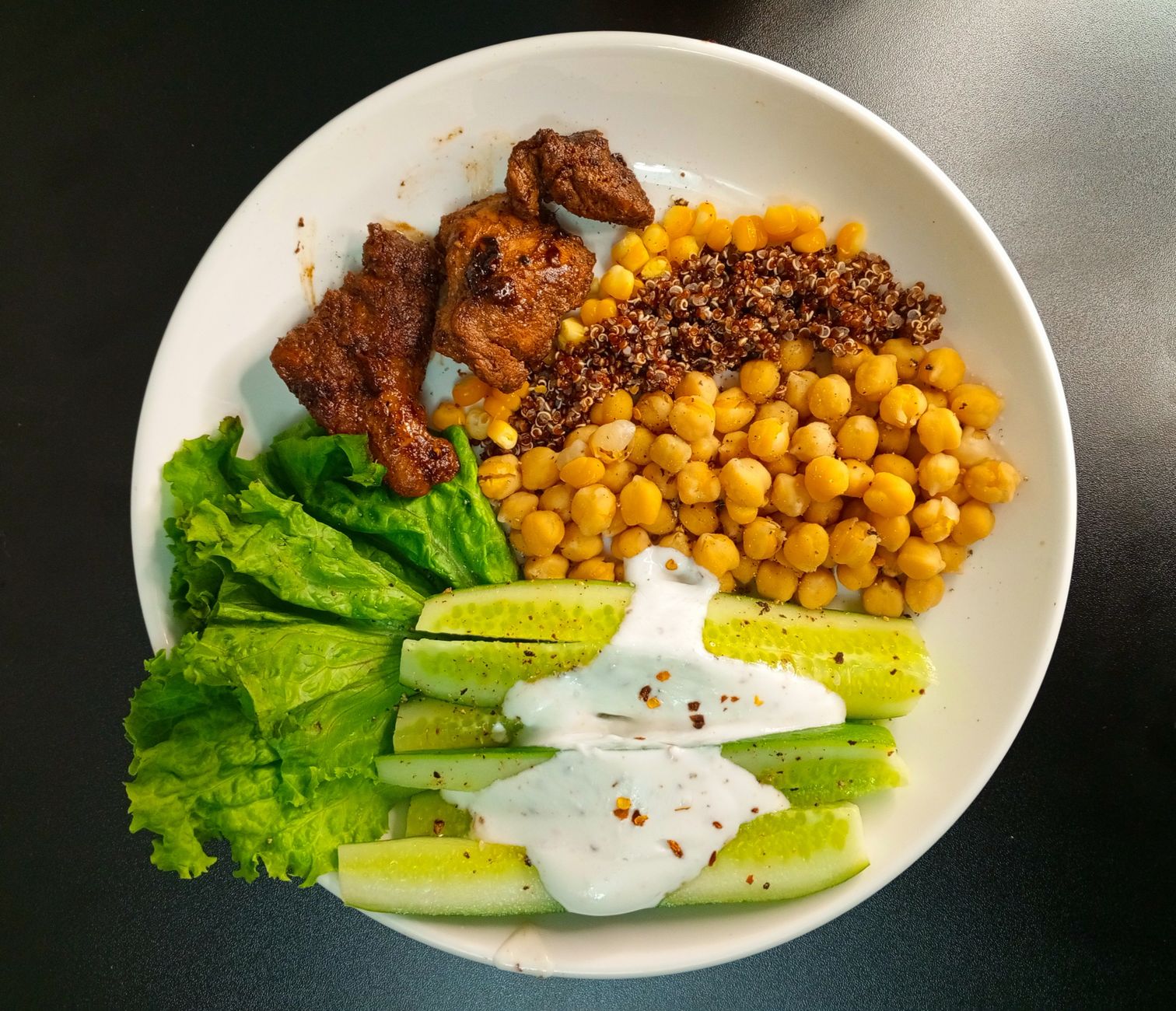
Focus on meals that use the same core ingredients in different ways. A rotisserie chicken can become tacos, a salad add-on, or a rice bowl. Bagged greens can become a side, a base, or a wrap filler. Canned beans can turn into a quick bowl with salsa and avocado.
If you want the structure without planning it yourself, PlanEat AI can generate a weekly meal plan and a grouped grocery list personalized to your goals, dislikes, and the time you have to cook. You can keep meals simple and still have a clear plan for the week.
Recipes ask you to follow steps. Templates give you options and let you use what you already have. If you hate cooking, templates are your best friend.
Here are a few low-cook templates you can repeat:
To make templates easier, keep a small set of staples you rely on every week. A good starting point is in Pantry Staples: Build a Healthy Kitchen (Practical Checklist).
This example shows how the same groceries can cover multiple meals without complex prep.
Breakfast: Greek yogurt with berries and a handful of nuts.
Lunch: Bagged salad with rotisserie chicken and a simple dressing.
Dinner: Tacos or wraps with rotisserie chicken, salsa, and pre-cut veggies.
Breakfast: Oatmeal with peanut butter and banana.
Lunch: Leftover taco fillings in a rice bowl with frozen veggies.
Dinner: Eggs with toast and a side salad.
Breakfast: Cottage cheese or yogurt with fruit.
Lunch: Tuna salad wrap with cucumber or carrots.
Dinner: Pantry pasta with marinara and beans, plus spinach stirred in.
If you want more ideas that stay practical and quick, pull a few options from Quick Healthy Dinner Ideas (15–30 Minutes) and treat them as backups, not obligations.
The easiest plans come from a grocery list built around reuse. Instead of buying “healthy” foods at random, buy ingredients that show up in at least two meals.
Use these rules:
If freezer options are your lifeline, 12 Healthy Freezer Meals for Busy Families can help you stock realistic backups that do not require a big cooking session
If your cart and fridge feel random, use this quick reset before your next grocery run.
This is enough to stop the cycle of buying good-looking groceries that never become meals.
With PlanEat AI, you can save a plan as reusable, swap meals quickly when your week changes, and keep a repeatable protein-and-fiber backbone so eating well stays simple even when you do not feel like cooking.
No. Meal planning is about decisions, not daily cooking. You can plan mostly assembly meals and keep one or two simple cooked options.
Change the flavor, not the structure. Keep the same base meals and rotate sauces, seasonings, and one side.
Yes, if they support consistency. A plan that you follow beats a perfect plan you abandon.
Rotisserie chicken, eggs, canned tuna, canned beans, and frozen fish are usually the least stressful.
Buy fewer unique items and reuse ingredients across meals. Choose produce that lasts longer and keep frozen vegetables as a backup.
Educational content only, not medical advice.
A practical 2026 guide to meal planning if you hate cooking. Use low-cook templates, a simple grocery core, and easy backups to eat well all week.