
October 2, 2026
These meal plans for one person show how to shop smaller, waste less food, and build a practical 7-day routine with leftovers, freezer support, and easy meals.

Meal plans for one person fail when they are secretly built for a family. You buy too much produce, cook too many portions, and end up staring at leftovers you do not want by day three. The better strategy is smaller shopping, modular meals, and planned repeats that keep waste low without making the week depressing.
This guide maps out a realistic week for one person with simple breakfasts, flexible lunches, and dinners that can stretch without multiplying groceries.
Search results for meal planning for one usually focus on waste reduction, small-batch shopping, and flexible meals that can become lunch the next day. That is the right emphasis. A single person meal plan needs a different operating system than a family plan because every extra ingredient matters more.
That is why you will see fewer “seven unique dinners” here and more component reuse. If you want a reference point, Meal Plans for Two is useful for overlap logic, and Meal and Grocery Planner helps shrink the grocery list before you shop.
Breakfast is yogurt, berries, and oats. Lunch is a sandwich and fruit. Dinner is roast chicken thighs, rice, and broccoli. Make enough for tomorrow’s lunch on purpose. A weekly meal plan for one person gets easier as soon as leftovers become part of the design.
Breakfast is eggs and toast. Lunch uses the leftover chicken bowl. Dinner is pasta with tomato sauce, spinach, and white beans. This is one of the easiest one person meal plan and shopping list moves: use one protein across two meals, then shift to pantry-based dinner.
Breakfast is oatmeal with banana. Lunch is leftover pasta with salad. Dinner is lentil soup with toast. Freeze one serving immediately. That step matters because meal plans for one person improve a lot when the freezer becomes a convenience tool instead of a storage mystery.
Breakfast is yogurt again. Lunch is soup from yesterday. Dinner is a taco bowl with rice, black beans, tomatoes, avocado, and lean turkey or tofu. Use the extra filling for tomorrow’s lunch.
Breakfast is eggs and fruit. Lunch uses leftover taco bowl ingredients. Dinner is salmon or white fish with potatoes and green beans. A single person meal plan works better when fish or meat shows up in smaller portions alongside pantry foods you already have.
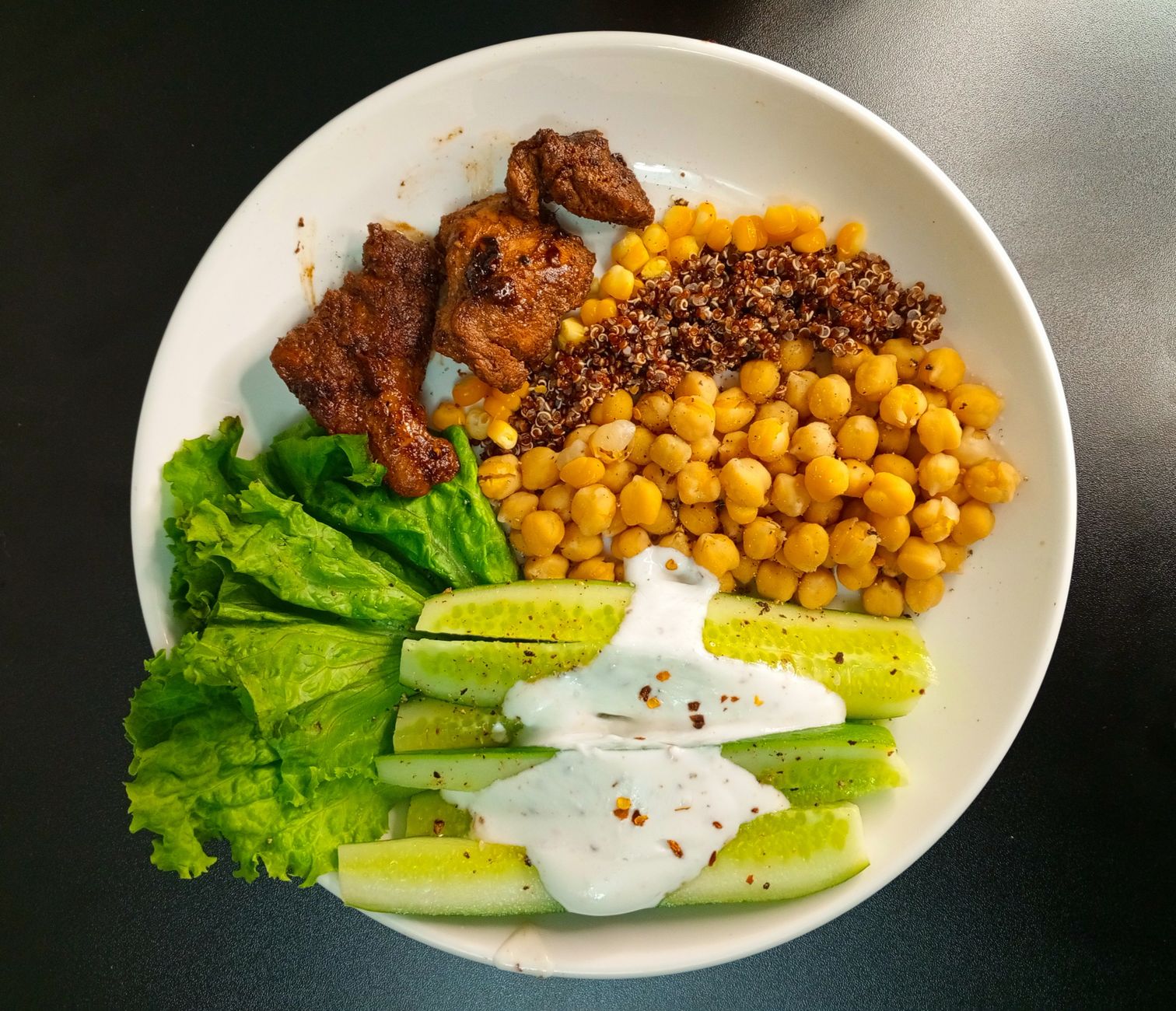
Breakfast is oats again. Lunch can be a sandwich, soup from the freezer, or leftovers. Dinner is a grain bowl built from remaining vegetables, rice, and protein. This is where meal plans for one stop wasting random half-used produce.
Breakfast is yogurt or eggs, lunch is soup or leftovers, and dinner is a baked potato topped with beans, salsa, and vegetables. The point is not ending the week with a fancy recipe. It is ending with almost no waste.
This grocery outline keeps the week compact and realistic. It also helps the single person meal plan and meal planning for one phrases map to actual ingredients instead of abstract advice.
One of the easiest ways to keep a meal plans for one practical is to prep one protein, one starch, and one cut-vegetable box ahead of time. That simple habit supports the week far better than trying to batch-cook every single meal.
That same prep logic is what turns one person meal plan and shopping list from a search phrase into an actual routine: fewer ingredients, clearer portions, and meals that can be assembled quickly even when the day gets messy.
A useful rule here is to separate anchor ingredients from optional extras. Keep the anchor items for this meal plans for one person visible and easy to reach first, then treat sauces, garnishes, and small upgrades as bonuses instead of essentials. That keeps the week from collapsing the moment one ingredient is missing.
It also helps to decide in advance which meals are allowed to trade places. If one dinner runs long, move it to a calmer day and pull a faster option forward instead of abandoning the plan entirely. That kind of flexibility is what makes a weekly meal structure durable instead of fragile.
Even a simple written backup list helps: one breakfast, one lunch, and one dinner you can assemble fast from staples already in the kitchen. That tiny layer of preparation often saves the plan more than any perfectly organized grocery spreadsheet.
Planning for one usually gets easier the moment you stop aiming for seven different dinners. The real win is building four or five meal templates that can cross over into lunch, freezer meals, or component bowls without making the fridge feel like a museum of half-used ingredients.
You also do not need to batch-cook huge portions to make the week efficient. Small intentional leftovers are often better because they give you convenience without forcing you to eat the exact same full meal for four straight days.
If your shopping routine is part of the problem, review a related PlanEat guide before the next grocery run, then keep only the ingredients that support this week’s menu.
The main advantage of meal planning for one is not perfect control. It is lower waste and fewer decisions. Buy less than your optimistic self wants, freeze portions earlier, and repeat breakfasts or lunches without guilt. The practical tips from Nebraska Extension and American Heart Association match that approach well.
If you want the shopping list and weekly structure without rebuilding it every Sunday, Build your weekly plan in PlanEat AI and use it as a repeatable one-person system.
Another helpful rule is to choose one meal each week that is almost embarrassingly easy. That backup meal keeps the plan intact on the night when your original intention collides with normal life.
The plan also gets easier when you decide what “good enough” looks like before the week starts. A dinner does not need to be ideal to keep the structure working; it only needs to fit the main goal of the week and help you avoid restarting from zero the next day.
That is usually where consistency beats ambition. A simpler plan repeated calmly will outperform a more exciting one that falls apart halfway through the week.
That tradeoff matters more than people expect.
Small adjustments made early are usually easier than big rescues later.
It is easier to preserve momentum than to rebuild it after two chaotic days.
That alone saves a surprising amount of effort.
When the weekly setup starts feeling too manual, revisit this related PlanEat article and simplify the plan back down to a smaller set of repeatable meals.
The best one-person meal plan is the one that wastes less and asks less of you each night. Shop smaller, repeat strategically, and let leftovers do useful work instead of becoming guilt in containers.
Use ingredient overlap, freeze extra portions early, and plan at least two meals that intentionally become leftovers.
Bowls, soups, pasta, baked potatoes, sheet-pan meals, and simple fish or chicken dinners usually scale well and leave manageable leftovers.
Usually no. Cooking a few times and reusing components often works much better than making seven separate dinners.
Yes. In many cases they become cheaper once you stop overbuying produce, sauces, and ingredients that only fit one recipe.
The best one-person meal plan is the one that wastes less and asks less of you each night. Shop smaller, repeat strategically, and let leftovers do useful work instead of becoming guilt in containers.