
October 2, 2026
A practical Mediterranean diet shopping list for 2026, organized by fridge, freezer, and pantry to support easy, balanced meal planning.
TL;DR: A Mediterranean diet shopping list works best when groceries are organized by where they belong - fridge, freezer, and pantry. This structure makes weekly cooking easier, reduces waste, and helps maintain consistent, balanced meals.
The Mediterranean diet is often described as simple, but grocery shopping can feel overwhelming without structure. When foods are bought without a plan, fresh items spoil and meals lose balance by the middle of the week.
Organizing groceries by storage location helps keep meals practical and predictable. This same principle appears in Grocery List Structure & Money-Saving Tips, where organization supports consistency rather than perfection.
For people who want Mediterranean style meals without manual planning, PlanEat AI creates a weekly meal plan and a grouped grocery list based on goals, dislikes, and cooking time. This makes it easier to shop once and cook with confidence.
The fridge holds foods that support daily cooking and quick assembly. These items are usually bought for 3 to 5 meals per week rather than in large quantities.
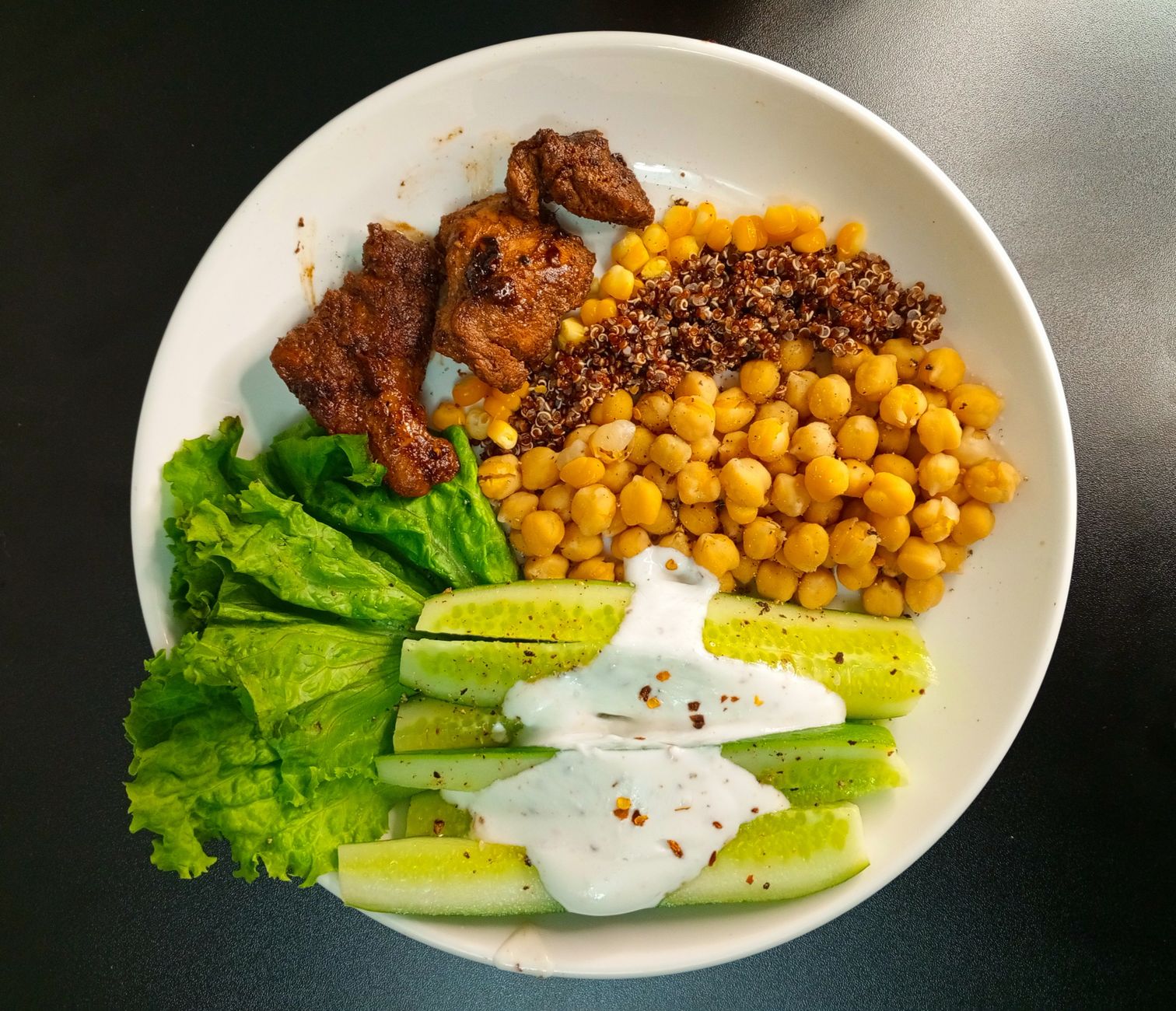
Typical fridge items include tomatoes, cucumbers, zucchini, leafy greens, bell peppers, and onions. Greek yogurt, eggs, and small amounts of cheese such as feta provide protein and richness. Fresh herbs like parsley, cilantro, and dill add flavor without relying on heavy sauces. Buying only what you will realistically use within a few days helps prevent waste.
This balance reflects the approach explained in Healthy Eating Basics: Build a Balanced Plate.
The freezer adds flexibility to a Mediterranean shopping list, especially for busy weeks. Frozen foods are best treated as backups rather than the main source of meals.
Common freezer items include frozen spinach, broccoli, peas, and mixed vegetables, along with frozen salmon or white fish. These are usually purchased to cover 2 to 3 meals and reduce the need for last-minute grocery trips. This strategy mirrors the approach in 12 Healthy Freezer Meals for Busy Families.
The pantry forms the foundation of Mediterranean cooking. These items are shelf stable and used across many meals over several weeks.
Typical pantry staples include olive oil, canned beans, lentils, whole grains like rice and pasta, canned tomatoes, nuts, seeds, and dried herbs. Pantry items are best stocked in larger quantities because they reduce reliance on fresh ingredients and stabilize weekly planning. This pantry-driven structure aligns with Pantry Staples: Build a Healthy Kitchen (Practical Checklist).
A storage-based shopping list simplifies weekly planning. Fresh fridge items support a few meals, freezer items provide flexibility, and pantry staples fill the gaps.
A practical rule is to plan 3 to 4 fresh meals per week and let pantry and freezer foods support the rest. This approach reduces spoilage and decision fatigue, reinforcing the ideas discussed in Meal Planning Basics: How to Start (Beginner Guide).
With PlanEat AI, you can reuse Mediterranean-focused plans, swap meals easily, and keep core ingredients consistent across the week. This supports long-term adherence without rigid rules.
It can be affordable when meals rely on pantry staples, seasonal produce, and frozen items.
No. Frozen fish works well and fits Mediterranean principles.
Yes. Organization and repeatable meals make it practical for everyday life.
It can support weight management when portions and consistency are maintained. For more context, see Mediterranean Diet: 7-Day Menu + Grocery List.
Red meat is typically limited rather than eliminated. Small portions can fit occasionally.
Educational content only, not medical advice.
A practical Mediterranean diet shopping list for 2026, organized by fridge, freezer, and pantry to support easy, balanced meal planning.