September 27, 2026
Learn how to create my meal plan around preferences, goals, time, leftovers, and cooking habits so your weekly menu feels personal and easy to adjust.

If you are thinking, "How should I build **my meal plan** so I actually want to follow it?" start with your real week, not an ideal one. A plan feels personal when it reflects the foods you enjoy, the time you have, how often you cook, whether you like leftovers, and which days are unpredictable.
The goal is not to create a perfect menu. It is to create a week that reduces decisions while still being easy to change.
A **personalized weekly meal plan** should begin with questions about your routine.
Look at the next seven days and mark:
Then assign meal effort accordingly.
A busy Tuesday might get leftovers or a fast stir-fry. Saturday can hold the recipe that takes longer. Friday can remain flexible if social plans often appear at the last minute.
USDA MyPlate recommends considering available cooking time when planning meals. That simple step helps prevent a common mistake: choosing meals that sound good but do not fit the schedule.
When people ask how to **create my meal plan**, they often start by searching for new recipes. Start with familiar foods instead.
Write down:
You now have most of a weekly plan without searching for anything new.
For example:
Add one new recipe only if you want variety. A personal plan should use your existing habits as the foundation rather than replacing all of them.
A **meal plan based on preferences** should reflect what you actually eat.
If you dislike mushrooms, there is no value in putting mushroom recipes into the week because they fit someone else's idea of healthy eating. If you love rice, use rice across several meals instead of forcing five different grains into the grocery cart.
Preferences can include:
Medical restrictions require appropriate professional guidance, but everyday food preferences are simply practical inputs.
A personal plan can also include convenience foods. Frozen vegetables, canned beans, prewashed greens, jarred sauces, and other useful staples may make the difference between cooking dinner and abandoning the plan.
A **custom weekly menu** does not need 21 unique meals.
Try this structure:
Breakfast: Oatmeal
Lunch: Grain bowl
Dinner: Chicken or tofu with rice and vegetables
Breakfast: Eggs and toast
Lunch: Leftover Monday dinner
Dinner: Pasta with tomato sauce, spinach, and beans
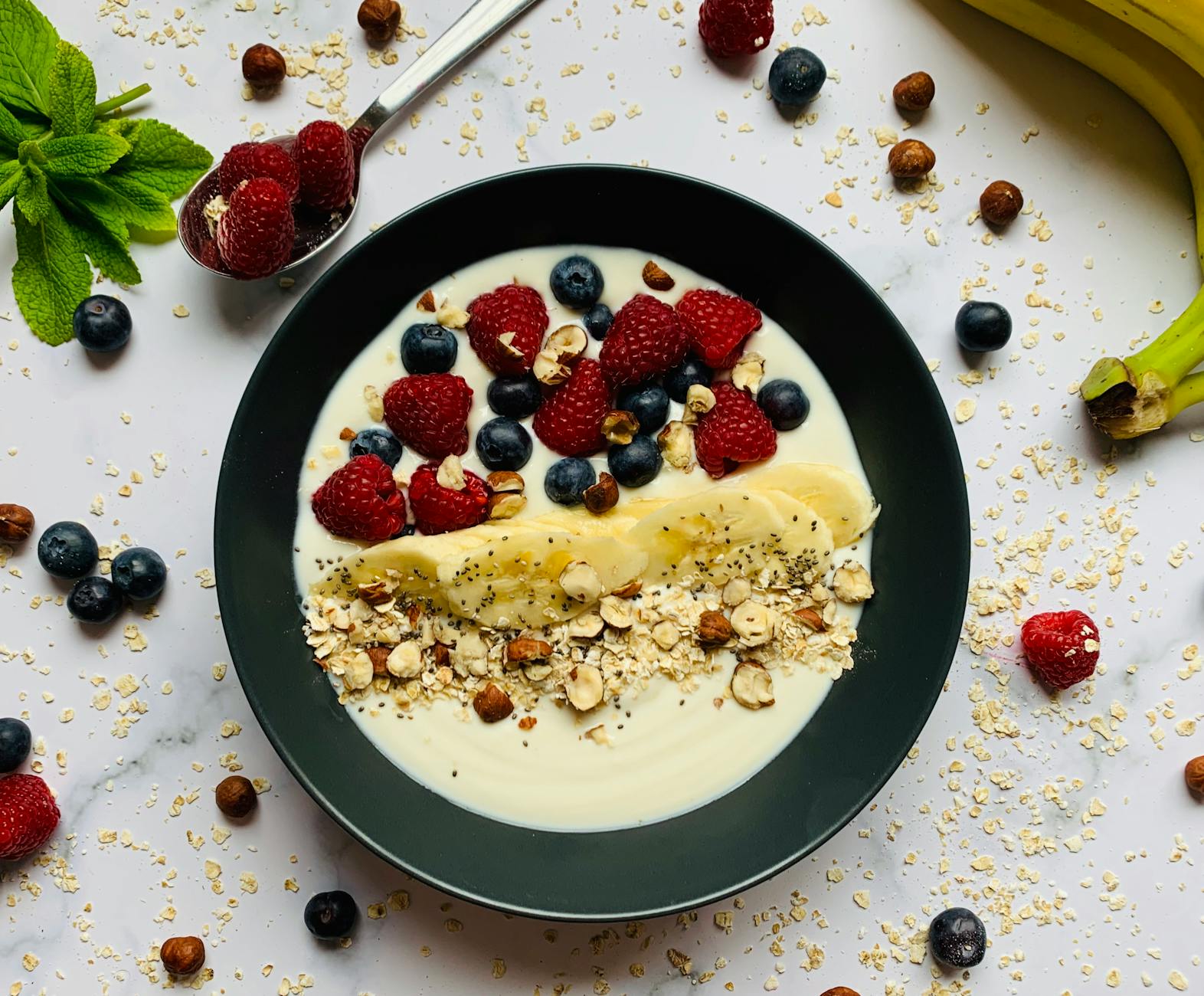
Breakfast: Yogurt bowl
Lunch: Leftover pasta
Dinner: Stir-fry using extra rice and vegetables
Breakfast: Oatmeal
Lunch: Wrap or sandwich
Dinner: Tacos with beans, chicken, tofu, or fish
Breakfast: Eggs and toast
Lunch: Taco bowl using leftovers
Dinner: Flexible meal
Breakfast: Favorite weekend breakfast
Lunch: Soup, salad, or leftovers
Dinner: New recipe or longer meal
Breakfast: Yogurt or oats
Lunch: Leftovers
Dinner: Refrigerator clean-out meal or a repeat favorite
This is personal because you decide what goes inside the structure.
Leftovers are easiest to use when they have a destination.
Instead of "make extra pasta," write "Tuesday pasta dinner, Wednesday pasta lunch." Instead of saving leftover rice with no plan, assign it to Thursday's stir-fry.
If you do not enjoy eating the exact same meal twice, transform it:
This keeps the plan efficient without making every day feel identical.
A useful **meal planning routine** includes a short weekly setup and a short midweek review.
At the beginning of the week:
Midweek:
The plan is allowed to evolve. A revision is not a failure. It is the plan responding to new information.
Before finalizing the week, ask:
These questions make the plan more useful than simply filling every day with recipes.
If planning the week manually feels repetitive, PlanEat AI on the App Store can turn your preferences, goals, and cooking constraints into a weekly meal plan and grocery list.
Plan only the meals you realistically expect to eat at home. If you already know about restaurant meals, travel, or regular leftovers, include them in the calendar.
Yes. Repeating breakfasts and lunches can reduce decisions and grocery complexity while still leaving variety for other meals.
Use your own schedule, food preferences, cooking time, budget, household size, and leftover habits as planning inputs rather than copying a generic weekly menu.
Update only the affected meals. Use food you already bought, move flexible meals, and assign leftovers before adding new groceries.
Learn how to create my meal plan around preferences, goals, time, leftovers, and cooking habits so your weekly menu feels personal and easy to adjust.