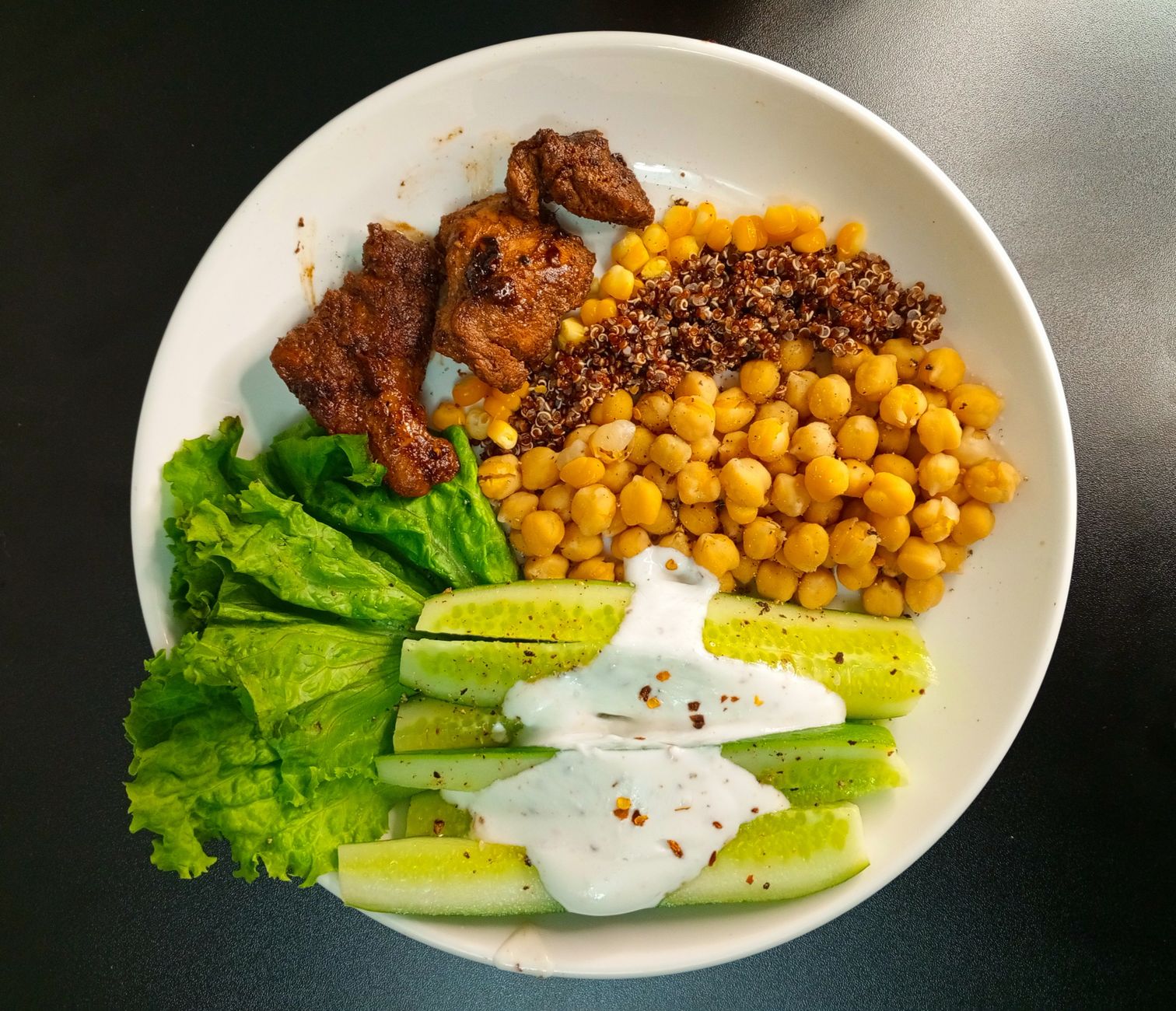

One Person Meal Plan and Shopping List: 7-Day Guide
one person meal plan and shopping list recipes should make the week easier, not turn food into a spreadsheet you abandon by Tuesday. This guide gives you a practical menu, grocery list, prep workflow, and swaps you can use without rebuilding the whole plan.
It also covers related searches like meal plans for single person, one person meal prep, single person grocery list, cooking for one meal plan, low waste meal planning. Use the structure as a default, then adjust portions around appetite, schedule, training, and family preferences.
TL;DR
- Pick a repeatable meal structure before choosing recipes.
- Anchor meals with protein, fiber-rich carbs, vegetables, and measured fats.
- Shop from the menu, not from vague healthy intentions.
- Prep components so meals can change without wasting groceries.
Who This Plan Works Best For
This plan works best if you want a clear menu but still need flexibility. It is useful for busy weeks, training blocks, weight-management phases, or households where the perfect recipe plan usually breaks in real life.
The goal is boring execution. A few repeatable meals, enough protein, fiber, and a short grocery list will usually beat a beautiful plan that needs four stores and two hours of chopping every night.
A reasonable protein target for this plan is flexible per day for many adults. The exact number should move with body size, total calories, training, and medical context.
7-Day Menu Structure
The table below gives you the working structure. Repeat meals that are easy, move portions up or down, and keep sauces separate so leftovers still taste good.
| Day | Meal idea | Prep note |
|---|---|---|
| 1 | Protein oats, bowl lunch, simple dinner | Batch grains and one protein |
| 2 | Smoothie, wrap, chili or curry | Use frozen vegetables |
| 3 | Yogurt bowl, quinoa salad, pasta | Keep sauce separate |
| 4 | Toast, soup, tacos or rice bowl | Reuse chopped vegetables |
| 5 | Overnight oats, leftovers, tray bake | Freeze one portion |
| 6 | Scramble, grain bowl, burger plate | Use pantry protein |
| 7 | Simple breakfast, salad, leftovers | Review before shopping |
For lower-calorie versions, reduce added fats and starch portions first. For muscle-building versions, add more carbs around training and keep protein distributed across the day.
Grocery List
A useful grocery list starts from meal roles: protein, carbohydrate, vegetables, fats, snacks, and one backup meal. That keeps the list short and makes substitutions easier.
- protein anchors
- rice, oats, potatoes, or pasta
- beans, lentils, tofu, eggs, yogurt, fish, or poultry as relevant
- leafy greens and frozen vegetables
- berries, bananas, apples, or citrus
- olive oil, avocado, nuts, seeds, or cheese
- simple sauces and seasonings
- one backup freezer meal
Before checkout, assign each fresh item to at least one meal. If a vegetable does not have a job, it is probably just fridge optimism in a reusable bag.
If the hard part is turning the plan into a week you can actually shop for, PlanEat AI on the App Store can turn preferences, budget, and schedule into a practical weekly plan.
Prep and Portion Workflow
- Cook slow items first. Grains, beans, proteins, and roasted vegetables create the base.
- Portion calorie-dense foods. Oils, nuts, cheese, sauces, and dried fruit are easy to underestimate.
- Keep vegetables flexible. Fresh, frozen, roasted, or raw all count if they help the meal happen.
- Use one backup meal. A freezer option prevents takeout from becoming the default.
- Review after seven days. Keep what worked and remove what created friction.
Portion Examples and Weekly Review
Use hand portions when you do not want to weigh food: one palm of protein, one fist of high-fiber carbohydrate, two fists of vegetables, and one thumb of added fat is a practical starting plate. For higher-calorie or muscle-focused plans, add another carb serving or a smoothie. For lower-calorie plans, keep protein and vegetables steady before reducing starch or fat.
Review the plan after seven days. Keep meals that were eaten without negotiation, remove ingredients that spoiled, and note where hunger or schedule pressure broke the plan. This feedback makes the next week easier and stops meal planning from becoming a brand-new project every Sunday.
Common Mistakes
- Making every meal unique instead of repeating useful templates.
- Under-planning snacks, then overeating while cooking dinner.
- Using calorie targets without checking hunger, energy, and training quality.
- Buying ingredients that do not connect to a meal.
- Changing too many variables at once when the plan needs adjustment.
For related planning systems, use meal plans for one person, weekly grocery routines, smart bulk buying and freezing, quick meal planning.
For neutral nutrition background, compare this plan with Dietary Guidelines for Americans, Nutrition.gov healthy eating resources, CDC guidance on fruits and vegetables.
FAQ
Is one person meal plan and shopping list recipes good for everyone?
No. Use it as a planning template, not a medical prescription. Adjust calories, protein, sodium, fiber, and food choices around health history and appetite.
How much protein should I aim for?
Use flexible as a starting point, then adjust for body size, training load, appetite, and clinician guidance when needed.
Can I meal prep this plan?
Yes. Prep proteins, grains, chopped vegetables, and sauces separately. Assemble meals later so texture and variety hold up.
What should I swap first?
Swap within the same role: protein for protein, starch for starch, vegetable for vegetable, and fat for fat. This keeps the plan balanced.
How do I avoid repeating the same meals?
Keep the base ingredients steady and change sauces, seasonings, cooking method, or serving style. Boring ingredients can still create different meals.