

September 24, 2026
Build a student meal plan with easy meals, low-cost staples, limited equipment, smart leftovers, simple meal prep, and a practical college grocery list.
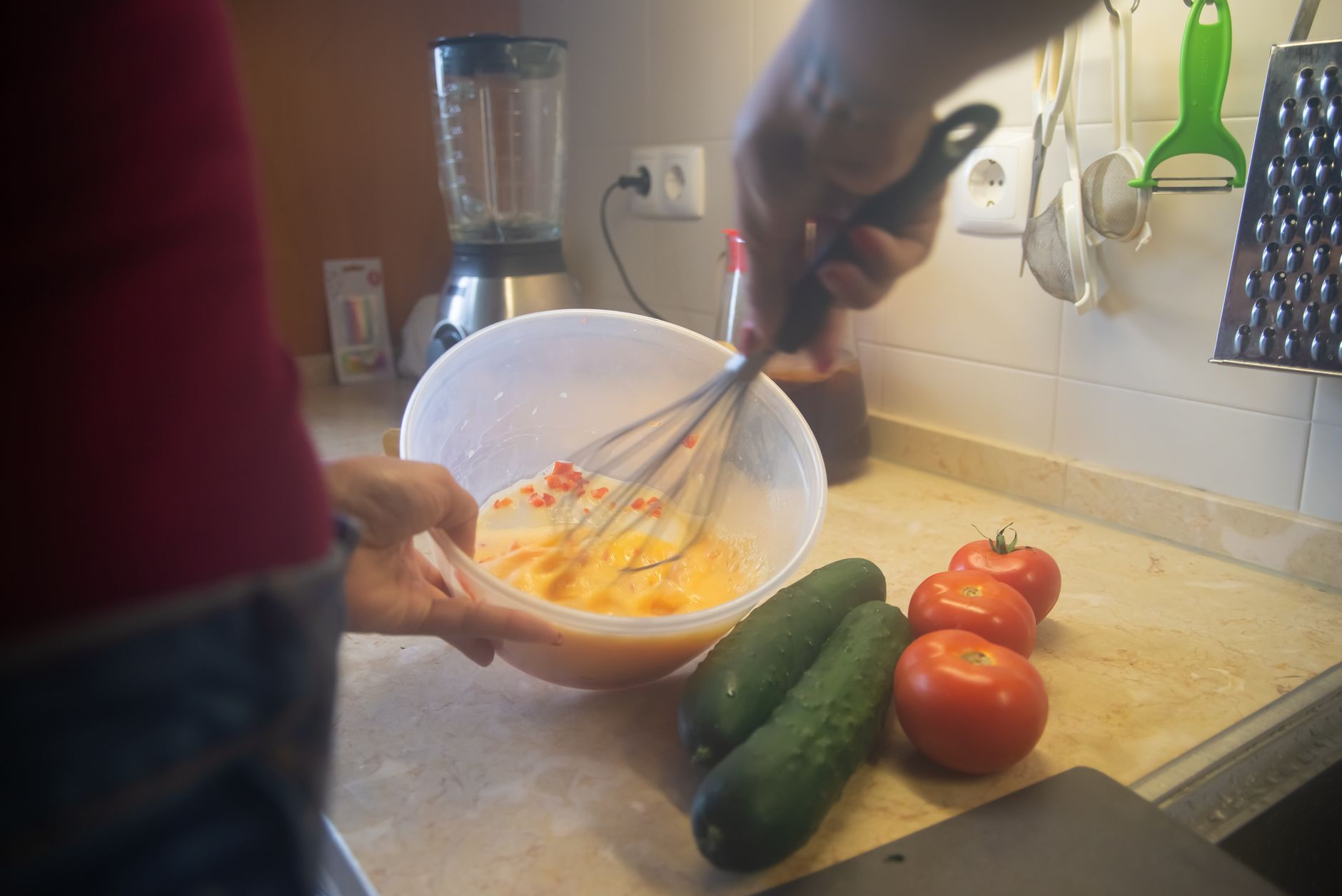
A **student meal plan** should work with limited time, storage, equipment, and money. You do not need seven different dinners, specialty ingredients, or a large kitchen. A practical week can be built from a small set of staples that turn into bowls, wraps, pasta, eggs, soups, and leftovers.
This guide does not assume a specific dorm, campus, country, or meal-card system. Use the ideas that match the kitchen access you actually have, whether that means a full shared kitchen, a kitchenette, or only a few basic appliances that are permitted where you live.
A **budget student meal plan** starts with foods that can do more than one job.
Rice can become a stir-fry, burrito bowl, curry side, or base for beans and vegetables. Eggs can work at breakfast, in fried rice, on toast, or in a quick dinner. Canned beans can go into wraps, pasta, soup, or bowls.
Other useful staples can include oats, pasta, potatoes, tortillas, canned tomatoes, lentils, frozen vegetables, yogurt, tofu, peanut butter, fruit, bread, and simple seasonings.
USDA MyPlate recommends checking what you already have, writing down planned meals, and considering how much cooking time you have before shopping. That is especially useful for students because a forgotten bag of vegetables or duplicate pantry item can take up both budget and limited storage.
These **easy meals for college students** use repeated ingredients and simple cooking methods. Adjust the menu to your equipment and food preferences.
Breakfast: Oatmeal with banana and peanut butter.
Lunch: Chickpea wrap with cucumber, greens, and yogurt or hummus.
Dinner: Rice bowl with chicken or tofu, frozen vegetables, and a simple sauce. Cook extra rice.
Breakfast: Eggs with toast and fruit.
Lunch: Leftover rice bowl.
Dinner: Pasta with tomato sauce, spinach, and white beans. Make two portions.
Breakfast: Yogurt with oats, fruit, and nuts or seeds.
Lunch: Leftover bean pasta.
Dinner: Egg fried rice with frozen vegetables and leftover rice.
Breakfast: Overnight oats with banana.
Lunch: Hummus wrap with vegetables and a boiled egg or tofu if desired.
Dinner: Black bean tacos with cabbage, salsa, and avocado if it fits the budget.
Breakfast: Eggs on toast with tomato.
Lunch: Black bean rice bowl using taco leftovers.
Dinner: Baked or microwaved potato topped with beans, yogurt, cheese, or vegetables.
Breakfast: Oatmeal with fruit and peanut butter.
Lunch: Leftover loaded potato ingredients in a bowl or wrap.
Dinner: Lentil or chickpea curry with rice and frozen vegetables.
Breakfast: Yogurt or oats with remaining fruit.
Lunch: Leftover curry.
Dinner: Pantry pasta, soup, eggs, or a refrigerator clean-out bowl using food that should be finished.
The plan works because the same rice, beans, vegetables, bread, oats, and sauces appear more than once.
Useful **student meal prep ideas** do not require spending Sunday cooking for five hours.
Try a short prep session:
If refrigerator space is limited, prep smaller amounts twice per week rather than filling containers for seven days.
Frozen vegetables are useful when storage and food waste are concerns. You can cook only what you need and keep the remainder frozen. Canned beans and tomatoes also provide flexible pantry options.
If you share a kitchen, label your food clearly and choose recipes that do not occupy the stove or oven for long periods.
The phrase **healthy student meals** does not have to mean elaborate recipes. A simple structure can help:
A bean and rice bowl with vegetables can fit that structure. So can eggs with toast, tomato, and fruit. Pasta with beans and spinach works too.
The current Dietary Guidelines for Americans emphasize nutrient-dense foods including protein foods, dairy, vegetables, fruits, healthy fats, and whole grains. You do not need every single meal to contain every category. Look at the overall week.
Convenience is also part of a realistic plan. Frozen vegetables, canned beans, jarred tomato sauce, prewashed greens, and other packaged foods can make cooking possible during busy weeks.
A basic **college grocery list** can include:
Do not buy every item automatically. Start with what is already available and choose the smallest list that covers the meals you actually plan to cook.
Food prices vary by location and store, so a useful student plan should not depend on one advertised price.
Compare unit prices when practical. Choose store brands when they fit your preferences. Use beans, lentils, eggs, tofu, or other lower-cost proteins for some meals if meat or fish stretches the budget.
Buy produce you can use several ways. Cabbage can work in tacos, bowls, wraps, and stir-fries. Carrots can be eaten raw, roasted, or added to rice and soup. Bananas can cover breakfast and snacks.
Most importantly, plan for the number of meals you will genuinely eat at home. Buying groceries for seven dinners makes little sense if you already know you will eat with friends twice.
If you only have access to a microwave and refrigerator, focus on foods that can be safely prepared with them and that are permitted in your housing.
Possible meal formats include oatmeal, microwave potatoes, rice or grain pouches, canned beans, frozen vegetables, yogurt bowls, wraps, salads, and other ready-to-eat foods that fit your needs.
If you have a hot plate, rice cooker, air fryer, or other appliance, follow the rules for your residence and the manufacturer's safety instructions.
A student plan should match the kitchen you actually have, not the kitchen shown in a recipe video.
If planning the week manually feels repetitive, PlanEat AI on the App Store can turn your preferences, goals, and cooking constraints into a weekly meal plan and grocery list.
Prices vary, but flexible staples such as oats, rice, pasta, potatoes, beans, lentils, eggs, frozen vegetables, and seasonal produce can help build many different meals without specialty ingredients.
There is no ideal number. If storage is limited, preparing components or two to three days of food at a time may be easier than filling the refrigerator for the whole week.
Depending on housing rules and product instructions, options can include oatmeal, potatoes, frozen vegetables, microwave grains, canned beans, and other foods designed for microwave preparation.
Plan around your real class and social schedule, buy ingredients that work in several meals, and assign leftovers to specific lunches or dinners before shopping.
Build a student meal plan with easy meals, low-cost staples, limited equipment, smart leftovers, simple meal prep, and a practical college grocery list.