
October 2, 2026
Superfoods are mostly marketing. Learn how to spot hype, choose nutrient dense staples, and build simple meals with real “superfoods” you will actually eat.
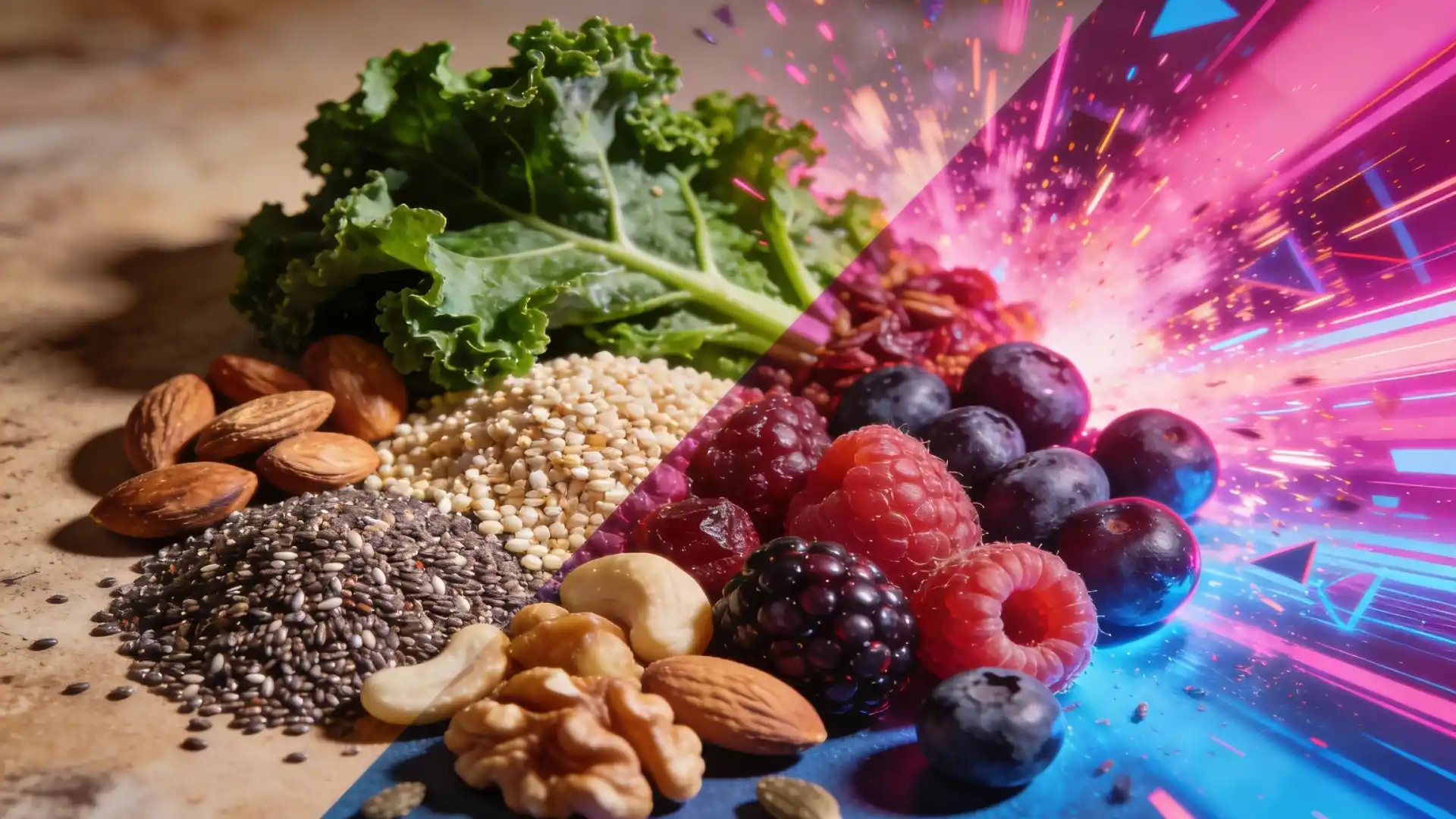
TL;DR: Superfoods are mostly a marketing label, not a scientific category. You will get better results by focusing on nutrient density, consistency, and simple meal structure instead of chasing pricey powders or “miracle” ingredients.
The word superfood usually means “nutrient dense food that sounds exciting,” but there is no official definition. That is why the list keeps changing: one year it is acai, the next year it is sea moss, then it is some new seed you have never seen at your grocery store.
A practical way to think about it is this: a food is “super” if it helps you build meals you can repeat, enjoy, and stick with. For most people, that is not a rare berry from a trendy brand. It is the boring staples that quietly make a balanced plate easier.
If you want to turn “eat healthier” into something concrete, PlanEat AI helps you build a weekly meal plan and a grouped grocery list you can actually follow, with easy swaps when a meal does not fit your week.
Instead of asking “Is this a superfood?”, ask a few questions you can answer on a label or with common sense.
Use this quick checklist:
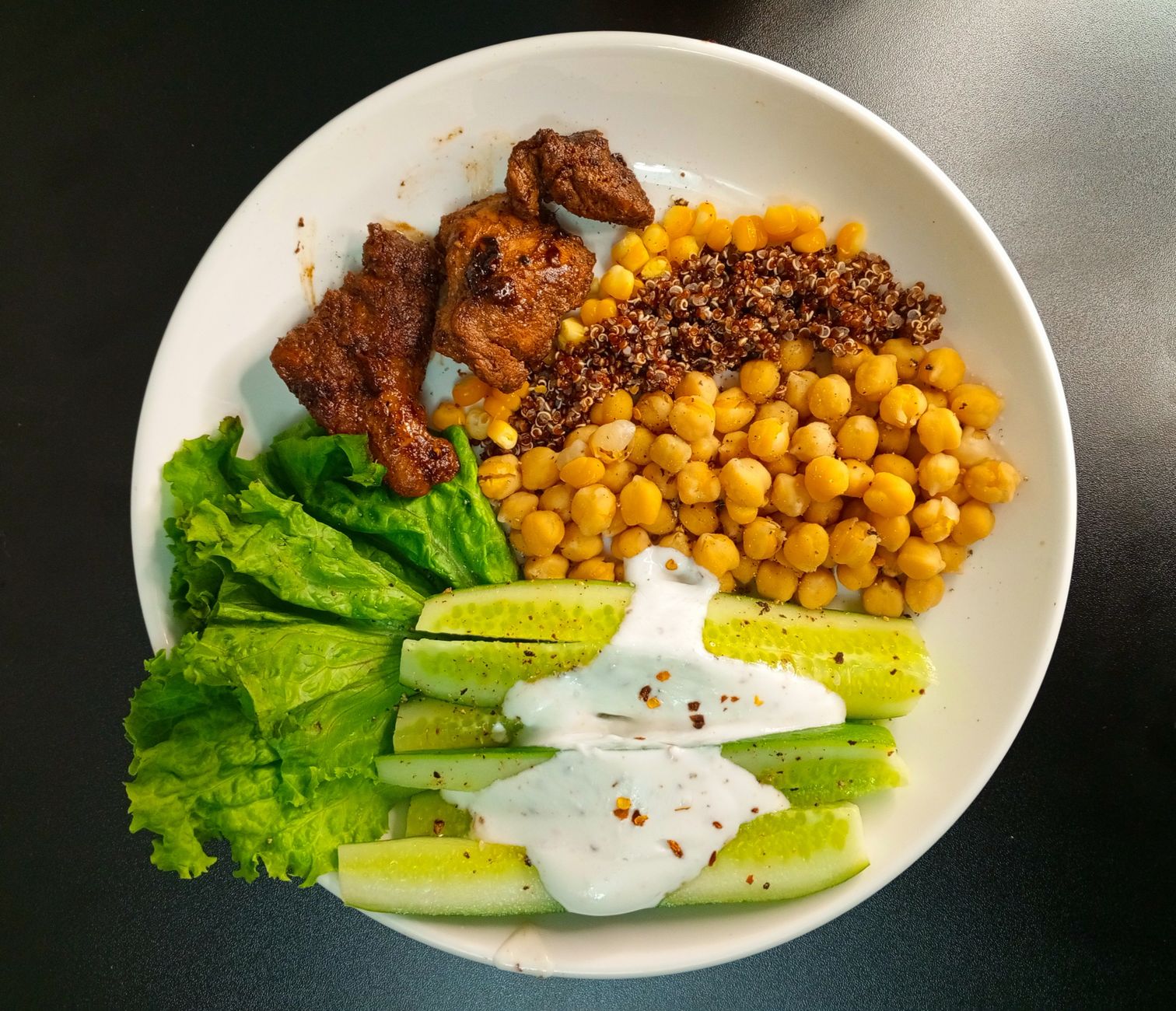
Here is what that looks like in real life. Frozen blueberries are often just as useful as fresh because you can use them all week in yogurt, oats, or smoothies. Canned salmon or sardines can be a simple protein option with omega 3s, but they are not “magic,” they are just a convenient way to eat fish. Lentils and beans are not trendy, but they are one of the easiest ways to add fiber and plant protein to soups, chili, and bowls.
If you want a simple meal structure that keeps things balanced without tracking, the plate approach in Healthy Eating Basics: Build a Balanced Plate fits this mindset well.
A lot of “superfood” products win on packaging, not on nutrition. The good news is you can spot most tricks in under a minute.
Common tactics:
A simple habit is to compare the product to a basic whole food version. For example, if a “super greens” powder has little fiber and a lot of sweetener, it is not replacing actual vegetables. If a bar is marketed as “superfood packed” but the first ingredients are syrups, it is basically candy with a few add ins.
If nutrition claims tend to confuse you, it helps to separate food myths from food basics. Most Common Myths About Healthy Eating? (2025) can help you spot the patterns that show up again and again.
If you like the idea of superfoods, keep it simple and build a short rotation you can repeat. The goal is not perfection, it is consistency.
A practical “real world superfoods” list:
Two small rules make this easier. First, pick 2 to 3 of these to anchor your week, not all of them at once. Second, treat powders and supplements as optional, not the foundation.
If your week gets chaotic, PlanEat AI lets you save a plan as reusable and quickly swap meals while keeping a simple base of protein and fiber across the week.
Some are worth it if they are just whole foods you enjoy and can buy regularly, like berries, beans, or leafy greens. The hype is the idea that you need rare ingredients to eat well. Most progress comes from repeating simple meals and getting enough protein and fiber.
No. Powders can be convenient in specific situations, but they are not a substitute for whole foods. If you use them, treat them as an add on and still prioritize real meals.
Pick one you will actually eat weekly. For many people that is frozen berries, oats, beans, or Greek yogurt because they fit into everyday meals with almost no extra effort.
Not always. “Organic” speaks to how food was grown, not automatically to nutrient content. If organic is easy for you to buy, great, but you can build a strong diet with conventional produce too.
Superfoods are mostly marketing. Learn how to spot hype, choose nutrient dense staples, and build simple meals with real “superfoods” you will actually eat.