PlanEat article cover
September 27, 2026
Follow a whole foods diet meal plan with simple meals, minimally processed foods, flexible grocery ideas, practical prep, and realistic substitutions.
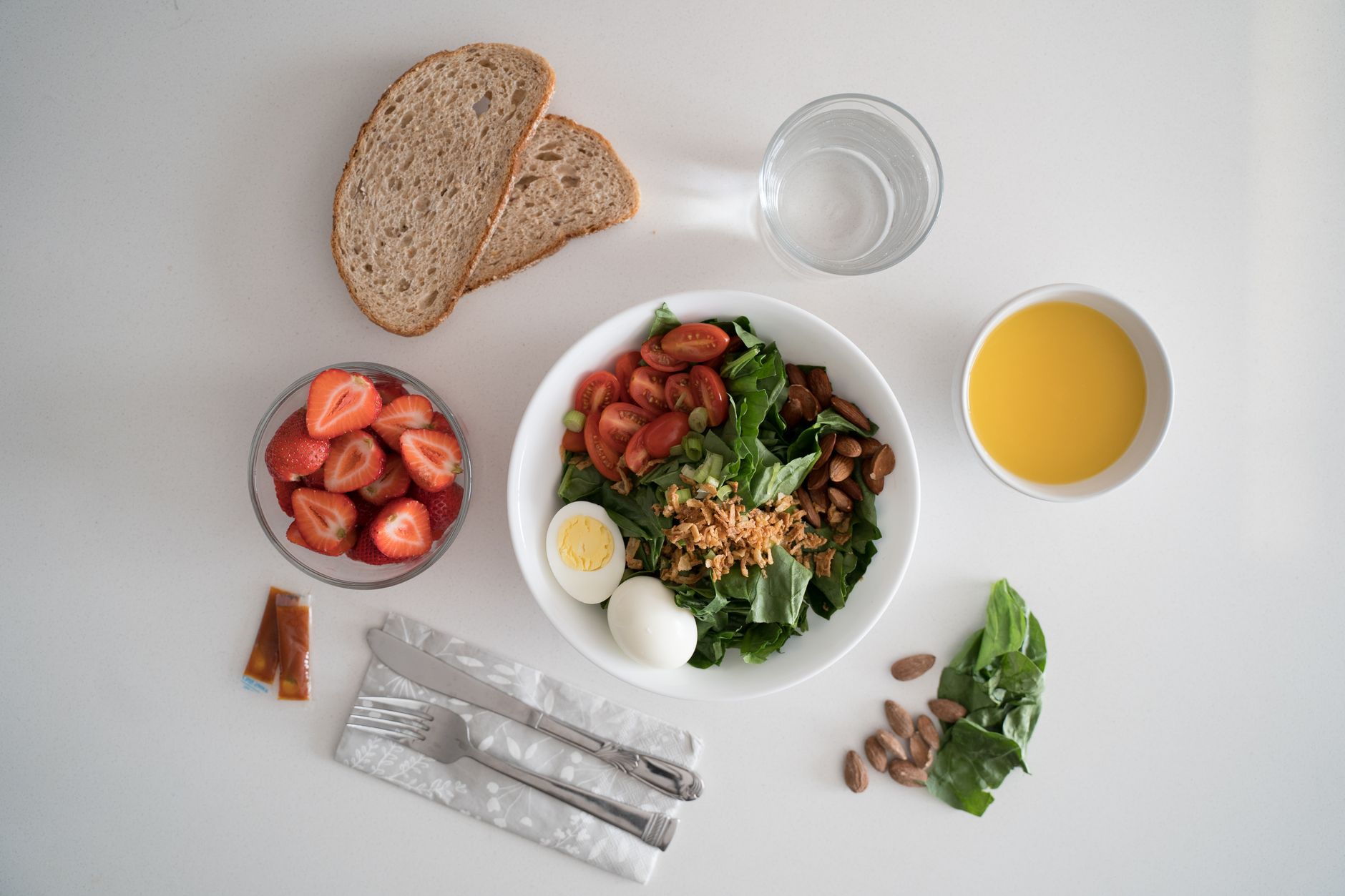
A **whole foods diet meal plan** is most useful when it helps you eat more basic, nutrient-dense foods without turning food into a purity test. A practical version can emphasize vegetables, fruit, whole grains, beans, lentils, eggs, fish, poultry, tofu, dairy or alternatives, nuts, seeds, and simple cooking ingredients while still using convenient packaged foods when they make the week easier.
The current Dietary Guidelines for Americans prioritize whole, nutrient-dense foods and recommend reducing highly processed foods. That does not mean every processed food is harmful or that you need to cook every ingredient from scratch.
A **whole foods meal plan** can use foods that are close to their original form as well as simple packaged staples.
Examples include:
You do not have to reject food because it comes in a package. Frozen vegetables, canned beans, canned tomatoes, whole-grain bread, tofu, plain yogurt, and nut butter can all make weekly cooking easier.
The useful distinction is not "packaged versus unpackaged." It is whether your overall eating pattern is built mostly around nutrient-dense foods and whether the level of processing helps or hinders your goals.
This **whole food diet meal plan** uses simple foods with planned leftovers and flexible substitutions.
Breakfast: Oatmeal with plain Greek or soy yogurt, berries, walnuts, and cinnamon.
Lunch: Chickpea and brown rice bowl with cucumber, tomato, greens, avocado, and lemon.
Dinner: Baked salmon or tofu with potatoes, broccoli, and carrots. Make an extra portion.
Breakfast: Eggs with whole-grain toast, tomato, avocado, and fruit.
Lunch: Leftover salmon or tofu with potatoes and greens.
Dinner: Lentil tomato curry with brown rice and spinach.
Breakfast: Overnight oats with milk or fortified plant milk, banana, chia seeds, and peanut butter.
Lunch: Leftover lentil curry.
Dinner: Chicken or tofu stir-fry with broccoli, mushrooms, carrots, and brown rice.
Breakfast: Plain yogurt with oats, berries, pumpkin seeds, and nuts.
Lunch: Leftover stir-fry bowl.
Dinner: Whole-wheat pasta with white beans, spinach, tomato sauce, garlic, and herbs.
Breakfast: Vegetable omelet with potatoes and fruit.
Lunch: Leftover white bean pasta with salad.
Dinner: Black bean tacos with cabbage, tomato, avocado, corn tortillas, salsa, and lime.
Breakfast: Oatmeal with banana, peanut butter, seeds, and plain yogurt.
Lunch: Black bean grain bowl with leftover taco vegetables.
Dinner: Sheet-pan chicken, tofu, or chickpeas with potatoes, broccoli, carrots, and olive oil.
Breakfast: Eggs or tofu scramble with vegetables, whole-grain toast, and fruit.
Lunch: Leftover sheet-pan bowl.
Dinner: Lentil and vegetable soup with whole-grain bread and salad.
The meals are intentionally ordinary. A whole-food pattern does not require expensive powders, unusual ingredients, or elaborate recipes.
The phrase **minimally processed foods** can be useful if it helps you choose practical staples, but food processing exists on a spectrum.
Oats are processed so they can be cooked and eaten conveniently. Yogurt is made through processing. Frozen vegetables are washed, cut, and frozen. Canned beans are cooked and packaged. Whole-grain bread is made from processed ingredients.
Those foods can still support a practical eating pattern.
The current Dietary Guidelines emphasize reducing highly processed foods while prioritizing whole, nutrient-dense foods. That is different from saying all processing should be avoided.
A realistic weekly plan might use fresh vegetables for salads, frozen vegetables for stir-fries, canned beans for fast lunches, and whole-grain bread for breakfast. Convenience can help people cook more consistently.
A flexible **whole foods grocery list** might include:
Before shopping, check your pantry and freezer. If you already have lentils, rice, and frozen vegetables, build meals around them instead of buying a full replacement list.
Useful **whole foods meal prep** focuses on components:
This approach helps you assemble meals quickly without preparing seven finished dinners.
For example, roasted vegetables can become a dinner side, grain bowl, omelet filling, or lunch wrap. Lentils can become curry, soup, salad, or a bowl. Brown rice can support stir-fries, tacos, and leftovers.
A whole-food approach becomes less useful when every convenience food is treated as a failure.
You do not need to make hummus, bread, yogurt, or tomato sauce from scratch unless you enjoy doing so. You do not need to avoid canned beans because they are packaged. You also do not need to refuse a restaurant meal because it does not fit a perfect food category.
Instead, ask whether the plan is helping you eat a varied, practical mix of nutrient-dense foods most of the time.
If your schedule only works because frozen vegetables, canned beans, prewashed greens, or another convenient ingredient saves time, that is a practical solution rather than a problem.
If planning the week manually feels repetitive, PlanEat AI on the App Store can turn your preferences, goals, and cooking constraints into a weekly meal plan and grocery list.
No. Processing exists on a spectrum. Foods such as frozen vegetables, canned beans, plain yogurt, tofu, oats, and whole-grain bread can be practical parts of the week.
Yes. Frozen vegetables can be useful when fresh produce is inconvenient or likely to spoil before you use it.
No. A whole-food meal plan does not require organic products. Choose foods that fit your budget, preferences, and availability.
The terms can overlap in everyday use, but neither has one universally standardized definition. This guide focuses on a flexible pattern rather than strict purity rules.
Follow a whole foods diet meal plan with simple meals, minimally processed foods, flexible grocery ideas, practical prep, and realistic substitutions.