
September 29, 2026
Use this 2 week weight loss meal plan as a flexible 14-day framework with balanced meals, smart prep, grocery planning, and adjustable portions for real weeks.

A **2 week weight loss meal plan** is best used as a short planning window, not a promise of what your body will do in 14 days. Weight change depends on individual energy needs, activity, sleep, medications, health conditions, and other factors. The practical value of two weeks is that it is long enough to repeat useful meals, learn which portions satisfy you, and reduce daily food decisions.
This guide focuses on balanced meals, protein, fiber-rich foods, and flexible portions rather than rapid-loss rules or extreme restrictions.
**Safety note:** this general article is not appropriate as a personalized plan for pregnancy, teenagers, people with a current or past eating disorder, people with chronic medical conditions that affect nutrition, or anyone changing medications that may affect appetite, blood sugar, fluid balance, or weight. Seek individualized healthcare guidance in those situations.
A **14 day weight loss meal plan** should make eating more organized while leaving room for normal life.
Start by choosing two or three breakfasts, several lunches, and five to seven dinner formats that you can repeat. Then use leftovers intentionally.
A simple structure for each meal can include:
If weight loss is your goal, the overall eating pattern needs to fit an energy intake that is appropriate for you. CDC notes that energy needs and weight management are influenced by individual factors, and NIDDK emphasizes choosing an eating pattern that can be maintained over time.
There is no need to make every meal unusually small or remove entire food groups.
Use this first week of the **two week meal plan for weight loss** as a baseline.
Breakfast: Oatmeal with Greek yogurt, berries, and nuts.
Lunch: Chicken or tofu rice bowl with broccoli, carrots, and avocado.
Snack: Fruit with yogurt.
Dinner: Salmon, potatoes, green vegetables, and salad.
Breakfast: Eggs with whole-grain toast, tomato, and fruit.
Lunch: Leftover salmon and potato bowl.
Snack: Apple with peanut butter.
Dinner: Lentil chili with vegetables and a moderate serving of rice.
Breakfast: Overnight oats with milk or fortified soy milk, banana, and chia seeds.
Lunch: Leftover lentil chili.
Snack: Carrots with hummus.
Dinner: Chicken, tofu, or white bean pasta with spinach and tomato sauce.
Breakfast: Greek yogurt with oats, fruit, and seeds.
Lunch: Leftover pasta and salad.
Snack: Fruit with cottage cheese or soy yogurt.
Dinner: Chicken or tofu stir-fry with rice and mixed vegetables.
Breakfast: Eggs, spinach, toast, and fruit.
Lunch: Leftover stir-fry.
Snack: Yogurt with berries.
Dinner: Black bean tacos with cabbage, avocado, salsa, and a rice side if desired.
Breakfast: Oatmeal with banana and nut butter.
Lunch: Taco bowl using leftover beans and vegetables.
Snack: Fruit with nuts.
Dinner: Chickpea curry with rice and vegetables.
Breakfast: Vegetable omelet with toast and fruit.
Lunch: Leftover curry.
Snack: Hummus with vegetables.
Dinner: Sheet-pan chicken or tofu with potatoes, broccoli, and carrots.
Week two does not need seven brand-new recipes.
Repeat your preferred oatmeal or yogurt breakfast.
Lunch: Sheet-pan leftovers in a grain bowl.
Dinner: Lentil or turkey chili with vegetables.
Breakfast: Eggs with toast and fruit.
Lunch: Leftover chili.
Dinner: Salmon or tofu with potatoes and broccoli.
Breakfast: Overnight oats.
Lunch: Leftover salmon or tofu bowl.
Dinner: Pasta with beans, tomato sauce, and spinach.
Breakfast: Greek yogurt bowl.
Lunch: Leftover pasta.
Dinner: Stir-fry with chicken or tofu, vegetables, and rice.
Breakfast: Eggs with vegetables.
Lunch: Leftover stir-fry.
Dinner: Tacos with beans, fish, chicken, or tofu and plenty of vegetables.
Breakfast: Oatmeal with fruit and nuts.
Lunch: Taco bowl.
Dinner: Curry, soup, or another meal from week one that was easy and satisfying.
Breakfast: Your easiest successful breakfast from the two weeks.
Lunch: Planned leftovers.
Dinner: Flexible meal using ingredients that should be finished.
The second week is useful because you now have information. If oatmeal kept you satisfied but a very light lunch did not, adjust the lunch. If cooking every night was unrealistic, intentionally create more leftovers.
The phrase **balanced calorie deficit meals** describes a goal, not a fixed recipe.
A calorie deficit means energy intake is below energy expenditure, but the amount appropriate for a person depends on individual needs. This article does not prescribe a calorie number.
Instead, build meals that contain foods you enjoy and that are satisfying enough to repeat. Protein-rich foods can include eggs, yogurt, fish, poultry, tofu, beans, lentils, and soy foods. Fiber-rich options include vegetables, fruit, beans, lentils, oats, and whole grains.
CDC guidance notes that sustainable weight management includes nutrition, physical activity, sleep, and stress management. Food planning is one part of that larger picture.
Avoid turning the deficit into a competition to eat as little as possible. If a plan leaves you persistently hungry, fatigued, unable to concentrate, or unable to support normal activity, reassess the plan and seek appropriate guidance.
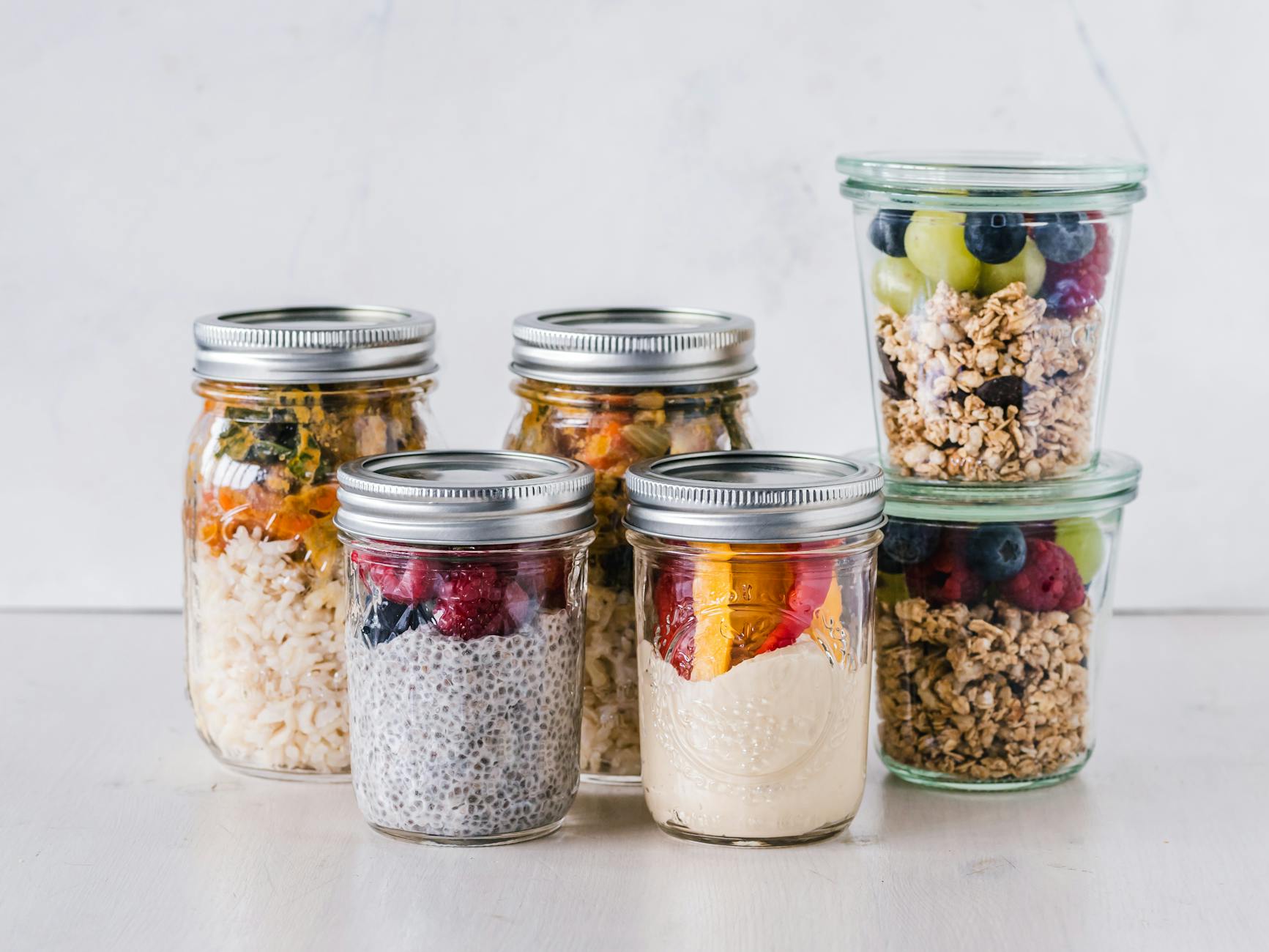
Useful **meal prep for weight loss** is not about preparing tiny identical containers.
Try this instead:
This reduces the chance that a busy evening turns into an unplanned choice simply because nothing is ready.
A reusable **weight loss grocery list** can include:
Shop for fresh foods weekly rather than assuming everything needs to last 14 days.
Use week one as feedback.
If you are hungry between every meal, increase meal size or improve the balance of protein, fiber-rich foods, and fats. If you repeatedly skip planned dinners, simplify them. If produce spoils, buy less or use more frozen options.
If you have enough food but portions feel larger than you need, adjust them gradually rather than deleting whole meals.
Also review your schedule. A food plan cannot solve a calendar mismatch. If Tuesday is always a late workday, schedule the easiest dinner on Tuesday.
The point of a two-week plan is to create a repeatable system, not to complete a perfect 14-day challenge.
If planning the week manually feels repetitive, PlanEat AI on the App Store can turn your preferences, goals, and cooking constraints into a weekly meal plan and grocery list.
This article does not promise a specific result. Weight change varies by person and is influenced by many factors beyond the menu itself.
Not necessarily. Some people use calorie tracking, while others adjust portions and meal structure. If you use a calorie target, it should be appropriate for your individual needs.
Yes. Repeating meals can make grocery shopping, cooking, and portion decisions much easier.
Do not assume you need more restriction. Review meal size, protein, fiber-rich foods, fats, activity level, and whether your overall plan is appropriate for your needs.
Use this 2 week weight loss meal plan as a flexible 14-day framework with balanced meals, smart prep, grocery planning, and adjustable portions for real weeks.