
October 2, 2026
Use this 25 grams of fiber meal plan to spread fiber across the day with simple meals, practical food swaps, and a weekly structure that feels realistic.

Use this 25 grams of fiber meal plan to spread fiber across the day with simple meals, practical food swaps, and a weekly structure that feels realistic.
This plan is built around a realistic daily fiber target, not an extreme cleanse. The goal is to spread fiber across breakfast, lunch, dinner, and snacks so digestion and fullness improve without making the week feel punitive.
It fits adults who want a high fiber meal plan for appetite control, digestion, or general nutrition cleanup, especially if jumping straight into a very high-fiber menu tends to backfire.
In practice, 25 grams of fiber meal plan works best when the week is organized before appetite, fatigue, or schedule stress start making decisions for you. That is where meal plan calendar and meal and grocery planner help: they make the structure visible before the grocery trip.
Breakfast can be oats with berries and chia, lunch a black bean grain bowl, dinner salmon with roasted vegetables and brown rice, and snacks apples with peanut butter.
Day one shows that 25 grams of fiber a day is easiest when breakfast and lunch do most of the work early.
Breakfast can be yogurt with raspberries and flax, lunch lentil soup with whole grain toast, dinner chicken, quinoa, and broccoli, and snacks pear plus almonds.
This is a calmer version of a fiber rich meal plan because the sources are spread across soups, grains, and fruit instead of one oversized salad.
Breakfast can be whole grain toast with avocado and eggs, lunch chickpea salad wraps, dinner turkey meatballs with whole wheat pasta and spinach, and snacks popcorn or kiwi.
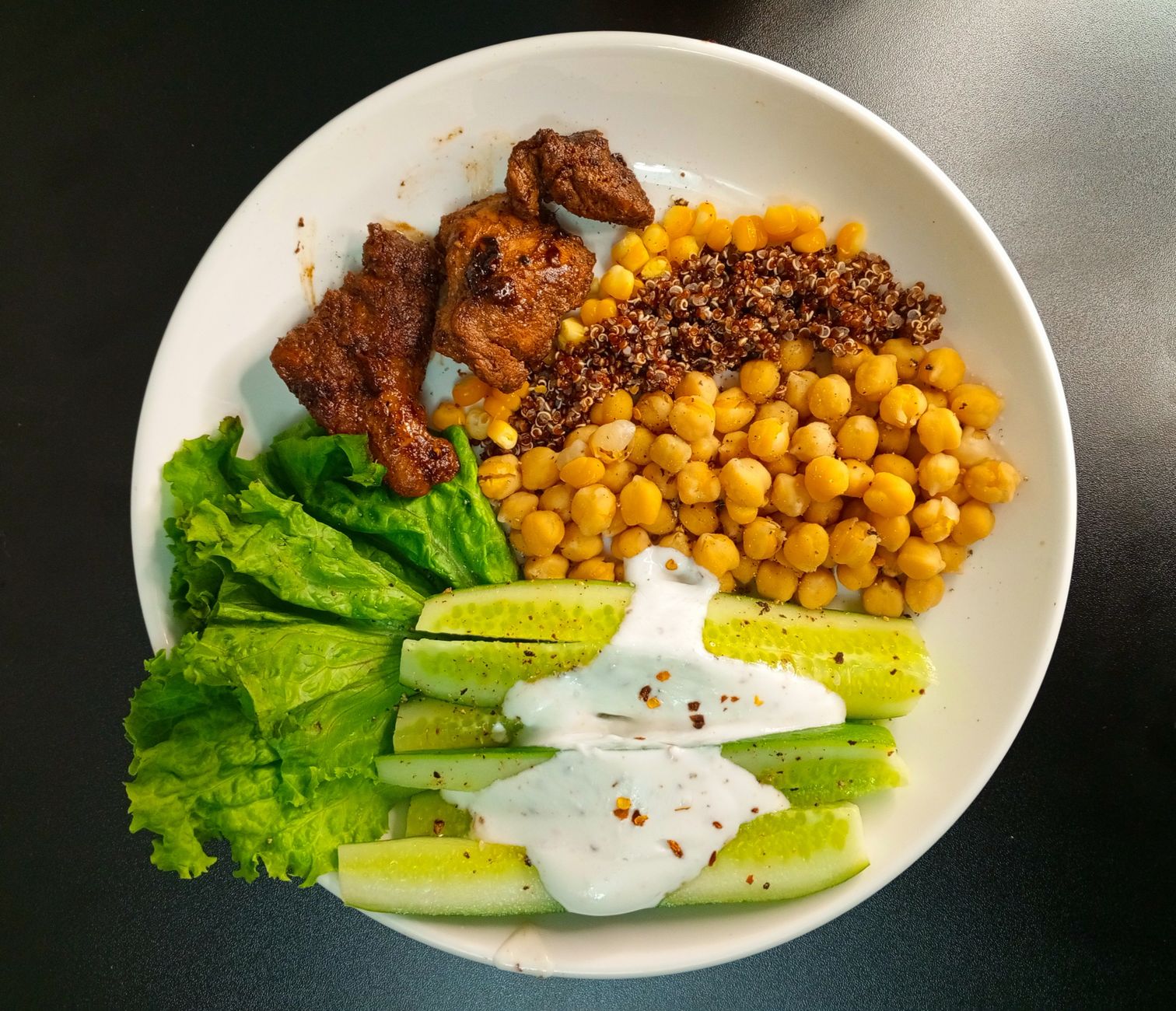
A high fiber meal plan gets easier when lunch is built around legumes you can prep once and use twice.
Breakfast can be overnight oats, lunch leftover pasta with vegetables, dinner baked potatoes with cottage cheese, beans, and side salad, and snacks berries or carrots with hummus.
This day keeps daily fiber goals practical by using affordable staples instead of a shopping list full of niche ingredients.
Breakfast can be oats again with banana and walnuts, lunch lentil bowls, dinner tofu stir-fry with brown rice and vegetables, and snacks orange slices or trail mix.
Repeating a few foods high in fiber is usually what makes the plan stable enough to survive a full week.
Breakfast can be veggie omelet with whole grain toast, lunch bean chili, dinner grilled fish with farro and roasted vegetables, and snacks apple or yogurt with seeds.
Weekend structure matters because it prevents the fiber target from turning into a weekday-only habit.
Breakfast can be chia pudding or oats, lunch leftover chili or grain bowls, dinner vegetable soup with toast and side salad, and snacks whatever fruit remains.
The final day proves that a fiber rich meal plan can be simple, affordable, and lower waste at the same time.
One reason people abandon high fiber meal plan is that they try to build seven unique days from scratch. A better approach is to decide what repeats, what gets prepped, and which meal can absorb leftovers.
Prep one pot of grains and one bean-based component early. That one move makes lunch easier and gives the high fiber meal plan enough backbone to survive a busy week.
If your current intake is low, scale up gradually. Daily fiber goals matter, but the fastest way to abandon them is to jump from a low-fiber routine to an overloaded menu overnight.
Keep fruit visible and convenient. A bowl of apples, pears, berries, or oranges often does more for consistency than adding yet another complex recipe.
For adjacent planning examples, high fiber diet meal plan and frugal meal planning show how the same weekly logic can be adapted without rebuilding your whole grocery system from scratch.
The main reason 25 grams of fiber a day succeeds or fails is not usually nutrition knowledge. It is whether the hardest part of your day already has a default meal. If breakfast is rushed, simplify breakfast. If lunch away from home keeps collapsing, make that the meal that gets leftovers or the most portable option.
This is also where daily fiber goals becomes more useful than a list on paper. A weekly plan only becomes real when you can see what gets bought, what gets prepped first, and what counts as a fallback meal on a chaotic day. The clearer those answers are, the easier it is to repeat the system without negotiating with yourself every evening.
Most importantly, treat foods high in fiber like a repeatable operating model rather than a one-week challenge. If one dinner format, one lunch, and one snack pattern keep working, keep them. Stability is usually more valuable than constant novelty.
That is also why 25 grams of fiber meal plan should be reviewed at the end of the week, not just admired at the beginning. Ask which meal pattern felt easiest, which grocery item got wasted, and which part of the routine created the most friction. Small answers to those questions usually improve the next week more than a full rewrite does.
When the structure survives a messy day, it is usually a sign the plan is built well enough to repeat. That matters more than whether every meal looked perfect on paper.
If you need one shortcut, make it this: decide tonight what tomorrow's hardest meal will be. Then make sure that meal already has ingredients, a fallback option, and a realistic portion plan. That single adjustment improves adherence more than chasing an entirely new set of recipes every week.
Good plans also leave room for ordinary substitutions. Swapping one protein, grain, fruit, or snack should not break the whole system. The easier it is to recover from small changes, the more likely the plan is to stay useful beyond one unusually disciplined week.
Many fiber articles talk about benefits but forget tolerability. A 25 grams of fiber meal plan should feel realistic, not like a test of how many seeds and beans you can tolerate in one sitting.
They also skip the role of repetition. The most effective foods high in fiber are often the ones you will actually buy again next week, not the fanciest ones on a list.
Those practical issues matter just as much as the theory from American Heart Association fiber guidance and MedlinePlus fiber overview. A plan only works if normal weekdays, imperfect timing, and realistic appetite still fit inside it.
That is also why 25 grams of fiber a day and fiber rich meal plan should be evaluated in real life rather than on paper alone. If one meal keeps breaking down, simplify that pressure point before changing the entire plan.
When the planning part starts feeling too manual, PlanEat AI on the App Store can keep the week organized around your preferences instead of forcing you to rebuild the same structure from scratch every few days.
25 Grams of Fiber Meal Plan: Easy 7-Day Guide 2026 works best when the plan is clear enough to repeat and flexible enough to survive a normal week.
For many adults it is a practical baseline target, especially if current intake is low and the goal is building a more consistent pattern first.
Oats, chia, berries, whole grain toast, fruit, and nuts are reliable because they add fiber early without making breakfast complicated.
Increase fiber gradually, spread it across the day, and drink enough fluids instead of stacking all your fiber into one meal.
Beans, lentils, oats, roasted vegetables, berries, potatoes, and whole grains are some of the easiest and most repeatable options.
25 Grams of Fiber Meal Plan: Easy 7-Day Guide 2026 works best when the plan is clear enough to repeat and flexible enough to survive a normal week.